From Call Sheets to Coloring Pages: How I Finally Created Something of My Own
From Call Sheets to Coloring Pages: How I Finally Created Something of My Own From Call Sheets to Coloring Pages: How I Finally Created Something

From Call Sheets to Coloring Pages: How I Finally Created Something of My Own From Call Sheets to Coloring Pages: How I Finally Created Something

Most scripts that fail do not fail because of bad dialogue or weak characters. They fail because the underlying structure is broken in ways the writer cannot see. Three act structure is the most widely used storytelling framework in Hollywood and independent film alike, and understanding it at a mechanical level is the fastest way to fix a script that is not working.

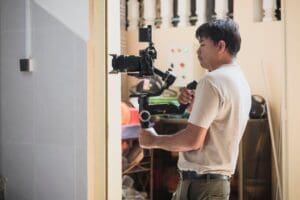
Every smooth tracking shot that glides through a crowd, follows an actor down a corridor, or sweeps across a landscape without a single shake was almost certainly captured by a Steadicam operator. It is one of the most physically demanding and technically precise jobs on any film set, and it is also one of the most misunderstood. If you have ever searched ‘Steadicam operator salary’ or ‘how to become a Steadicam operator,’ this guide covers everything from your first day of training to what a working professional earns on a union feature.

The title sounds informal, almost comical, but the best boy is one of the most operationally critical people on any film set. Whether you end up in the electrical department or the grip department, this role is where real on-set leadership begins. If you want a hands-on career with clear advancement, strong union pay, and steady demand across every production market in North America, the best boy path deserves a serious look.

Most short film shoots fall apart not in the edit, not in casting, but in the first two hours of day one. A director without a shot list is gambling with daylight, crew patience, and a budget that has no room for error. Learning to write a tight, practical shot list is one of the fastest skills you can develop to shoot more, spend less, and actually finish the day.

Choosing the wrong lens is one of the most expensive mistakes a working filmmaker can make. Unlike camera bodies, lenses hold their value, follow you across systems, and shape the actual look of your image in ways that no color grade can fully fix afterward. This guide breaks down the best lenses for filmmaking in 2026 across every budget, from $200 vintage glass to $3,000 cinema primes, so you can buy once and buy right.

Every frame a director of photography shoots passes through one person before it hits the hard drive: the digital imaging technician. The DIT is part technician, part colorist, and part data guardian, operating at the intersection of on-set creativity and post-production pipeline. If you like cameras, color, and the idea of being indispensable on a professional set, this is one of the most quietly powerful careers in the industry.

Most cinematography advice teaches you to shoot clean, steady, and safe. But some of the most memorable images in cinema history came from filmmakers who deliberately ignored that playbook. Experimental cinematography is not chaos for its own sake. It is a set of intentional techniques you can learn, practice, and apply to make your visuals hit harder.

Buying your first serious cinematography kit is one of the most paralyzing decisions a new filmmaker makes. The options are endless, the jargon is thick, and everyone online seems to be selling something. This guide cuts through the noise with real products, current prices, and honest assessments of what beginners actually need to shoot work they are proud of.

If you have ever watched a behind-the-scenes featurette and spotted someone holding a long pole with a microphone over the actors, that is a boom operator at work. It looks deceptively simple from the outside, but boom operating is one of the most physically demanding and technically precise roles on any film or television set. For anyone serious about a career in production sound, this is where that career almost always begins.

Every screenwriting teacher tells you to use subtext. Almost none of them explain how to actually put it on the page. Subtext is not a vague artistic instinct reserved for seasoned writers. It is a craft technique with specific mechanics, and once you understand those mechanics, you can use it deliberately in every scene you write.

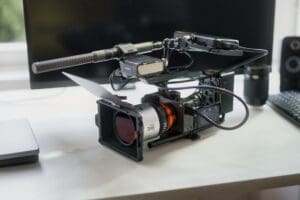
Buying the wrong on-set monitor is one of the most expensive mistakes a working camera operator or DIT can make. You will not know your exposure is off, your focus will drift, and your client will see it before you do. This guide breaks down the best field monitors available in 2026, with real prices, honest trade-offs, and a clear answer on which one belongs in your kit.
Get our free Mini Lesson: a simple 20-minute daily routine to find legitimate film jobs faster. No more wasted time endlessly scrolling for opportunities.