Disclosure: This article contains affiliate links. If you make a purchase through one of these links, FilmLocal may earn a commission at no extra cost to you.
The Best Handheld Gimbal for Filmmaking in 2026: What You’re Actually Choosing Between
Three gimbals dominate the working professional conversation right now: the DJI RS 4 (around $349), the Zhiyun Crane 4 (around $329), and the Moza AirCross 3 (around $279). All three handle cameras in the 6-10 lb payload range. All three have motor torque specs that sound impressive on paper. But they behave very differently on a real shoot, and picking the wrong one for your specific use case will cost you more than the price difference.
Here’s what the spec sheets won’t tell you.
DJI RS 4: The One Most Working Operators Are Reaching For
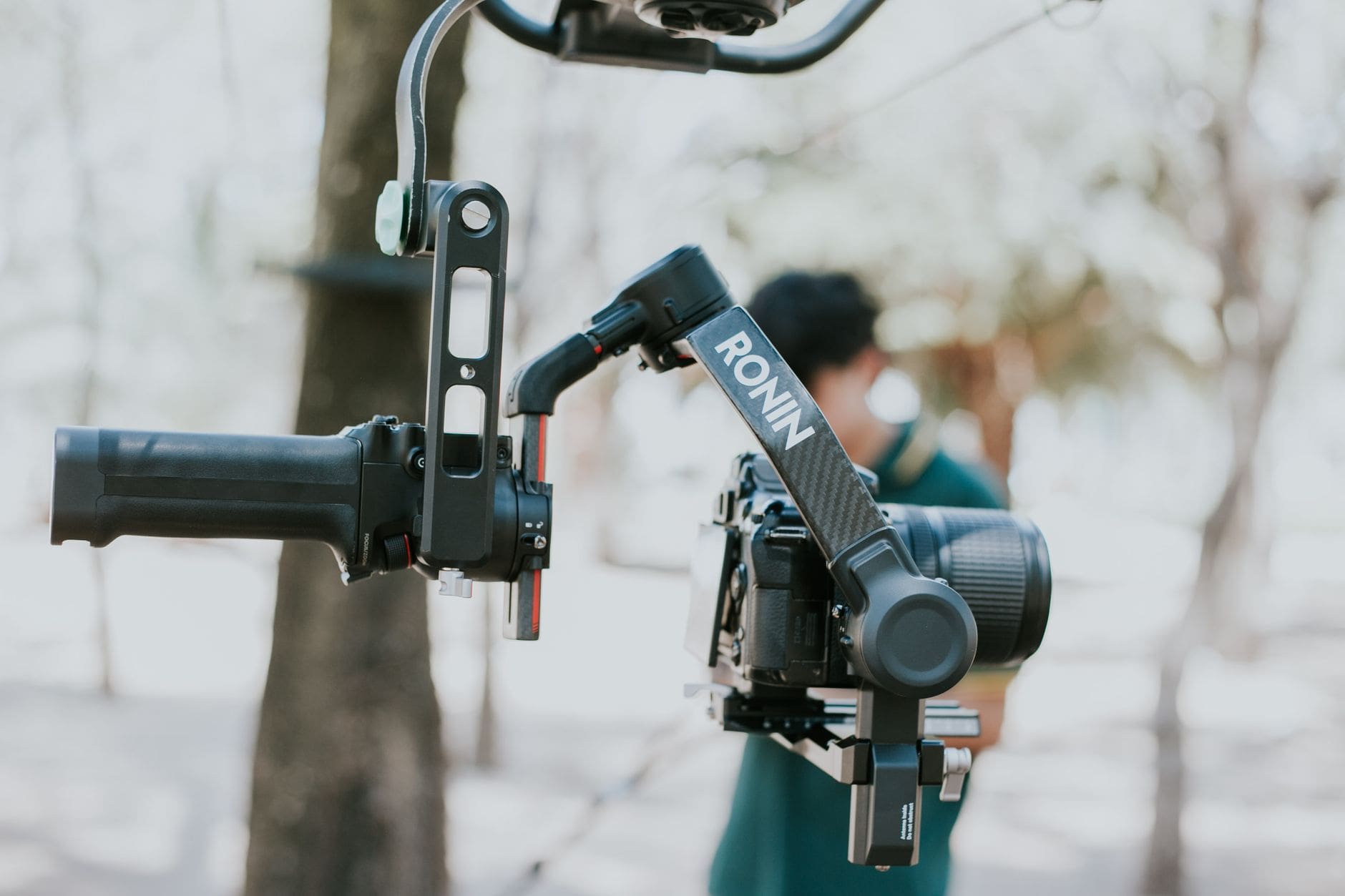
The RS 4 is DJI’s current flagship single-handed gimbal, and it shows. The 4.5 kg (9.9 lb) payload is real-world usable, not just a best-case-scenario lab number. I’ve seen operators run a Sony FX6 with a Sigma 24-70mm f/2.8 and a small on-camera monitor on this thing all day without issues. Balance is fast. The automated axis locks are genuinely useful when you’re moving between setups quickly.
The OLED touchscreen on the front is small but functional. You can switch follow modes, adjust motor strength, and access the DJI app integration without pulling out your phone. That matters at hour ten on a documentary shoot.
What’s good: Bluetooth camera control works reliably with Sony, Canon, and Nikon bodies. The DJI RS 4 ecosystem includes a dedicated focus motor, a follow focus wheel, and a phone holder, so you can build out a proper rig without hunting for third-party parts. Battery life runs around 13 hours in normal use. And the superwide follow mode is smooth enough that you can do walking shots handheld without looking like you’re operating a shopping cart.
What’s not: The RS 4 doesn’t love lenses with variable aperture rings or zoom lenses where the center of gravity shifts mid-shoot. If you’re running a documentary with a 24-105mm zooming constantly, expect to babysit the balance. The single grip design also means extended shooting gets tiring without an arm brace or a sling, neither of which are included at the base price.
Price for the standard kit: around $349. The combo kit with the focus motor runs closer to $499. For most camera ops building out a kit for narrative or documentary work, the RS 4 is the default-correct answer unless you have a specific reason to go elsewhere.
Zhiyun Crane 4: Strong Case for Run-and-Gun Documentary Work
The Crane 4 comes in at $329 for the standard version and supports up to 4.5 kg, matching the RS 4 on paper. But Zhiyun made a few design choices that change how it feels to actually use.
The built-in fill light strip on the front of the handle is either a brilliant practical addition or a gimmick depending on who you ask. For solo documentary shooters doing quick interviews in unpredictable locations, having a CRI 95+ light source attached to your gimbal handle is legitimately useful. It’s not going to replace a proper key light, but it beats nothing when you’re in a dark hallway and your subject won’t wait.
What’s good: The PD 60W USB-C charging is fast. The Crane 4 charges fully in under two hours, which matters when you’re running between locations. The axis locking system is physical and intuitive, faster to use than digital locks under pressure. The handle is thicker than the RS 4, which some operators prefer for extended handheld use. And the ZY Cami app handles wireless control reasonably well, though it’s not as polished as DJI’s ecosystem.
What’s not: Third-party accessory support is thinner than DJI’s. If you want a dedicated focus motor, you’re working with adapters or Zhiyun’s own MOLUS system, which adds cost and complexity. The Crane 4 also runs heavier than the RS 4, which matters if you’re doing long handheld days.
Moza AirCross 3: The Budget Pick That Earns Its Place
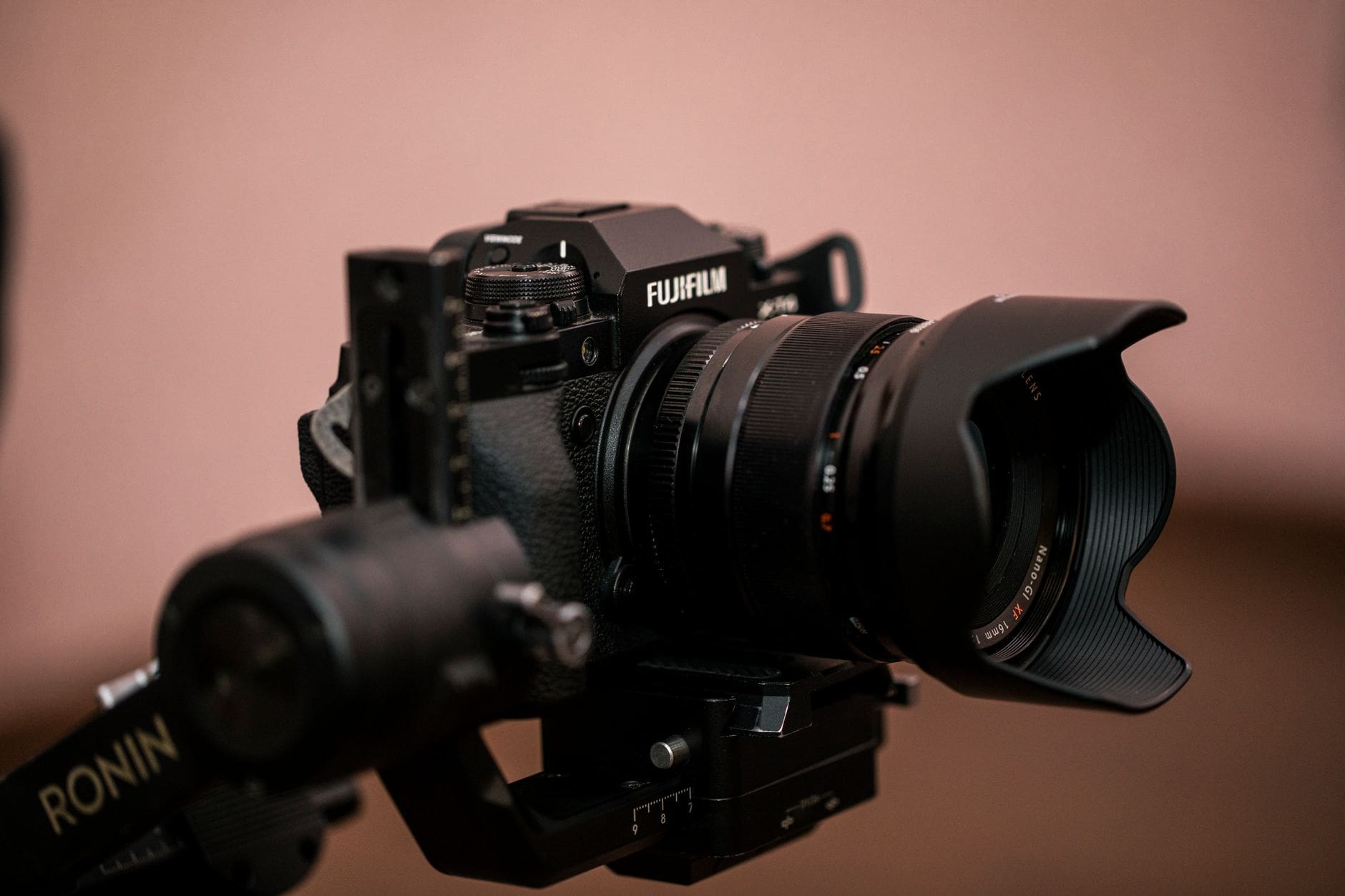
The AirCross 3 sits at around $279 and supports up to 3.2 kg (7 lb). That lower payload ceiling is the key fact. If you’re running a Sony A7S III with a 50mm prime, you’re fine. Add a cage, a monitor, and a fast zoom and you’re pushing the limit or exceeding it.
But for operators running lighter mirrorless setups, the AirCross 3 punches hard for the price. It’s the lightest of the three at 950g, which you’ll feel after a long handheld day. The sport mode tracking is surprisingly aggressive, good enough for event coverage and fast-moving documentary subjects.
What’s good: The dual-handle design option is more ergonomic for extended shooting than the default single-grip. The Moza Master app is genuinely usable. Battery life is solid at around 12 hours. And at $279, you can put the savings toward rigging accessories or toward gear that actually makes more difference to your image, like a quality ND system or better audio.
What’s not: Moza’s ecosystem and after-sales support are noticeably thinner than DJI’s, especially outside major cities. If something breaks on a shoot in Winnipeg or Baton Rouge, getting a replacement fast is harder. Camera control integration is limited compared to both competitors. And that 3.2 kg payload limit genuinely restricts your rig options as your kit grows.
For newer operators working on smaller productions or building a first kit, the AirCross 3 is worth serious consideration. If you’re shopping for accessories alongside it, SmallRig has compatible plates, cages, and handles that work across all three of these gimbals and won’t cost you a fortune.
How to Actually Pick Between Them
Payload first. Always. Build out your full camera package, body plus lens plus any on-camera accessories, and weigh it. Then pick a gimbal rated for at least 20% more than that number. Specs are measured under ideal conditions. Your shoot won’t be ideal.
If you’re doing narrative work with a Sony Venice 2 or a RED MONSTRO, none of these three gimbals are the right tool. You’re looking at a different class entirely, like the DJI RS 3 Pro or a Tilta Float. But for the A7C II, FX3, R5 II, Z6 III bracket, all three of these work.
Ecosystem matters more than most people factor in. DJI’s accessories, focus motors, and app integrations are more developed than either competitor’s. If you’re planning to grow your kit over the next two years, the RS 4’s ecosystem gives you more room to expand. If you’re a solo documentary shooter who wants one solid tool that handles its job without a lot of additional investment, the Crane 4 is competitive and the fill light is genuinely useful on real shoots.
Budget-constrained and working with a lighter mirrorless rig? The AirCross 3 makes sense. Just know the ceiling.
If you’re looking to build your broader camera op career alongside your kit decisions, the crew directory is a practical place to see how experienced operators are listing their gear and positioning their services. And if you’re actively looking for gigs while you build your kit, check the current film production job listings for camera operator and AC roles in your market.



Key Takeaways
Choosing the best handheld gimbal for filmmaking comes down to matching payload, ecosystem, and budget to how you actually shoot, not which one has the most impressive spec sheet.
- The DJI RS 4 ($349) is the strongest all-around pick for most working camera operators, with the best ecosystem, reliable camera control integration, and real 9.9 lb payload capacity.
- The Zhiyun Crane 4 ($329) is the better choice for solo documentary shooters who value fast charging, a thicker grip, and the built-in fill light for unpredictable lighting situations.
- The Moza AirCross 3 ($279) earns its place for operators running lighter mirrorless rigs and working within a tighter budget, but the 3.2 kg payload ceiling is a real constraint as your kit grows.
- Always weigh your complete camera package before buying a gimbal, then pick one rated for at least 20% more capacity than that number.
- DJI’s accessory ecosystem is significantly more developed than Zhiyun or Moza, which matters if you plan to add focus motors, external monitors, or other rigging over time.
Buy for the rig you’re running now, but think one step ahead about where your kit is going.
FAQs
Is the DJI RS 4 worth the extra cost over the RS 3?
For most operators, yes. The RS 4 adds improved motor torque, faster balancing, and a better OLED interface over the RS 3. The RS 3 Pro still makes sense if you find it discounted, but the RS 4 is the current standard and the price gap isn’t large enough to chase the older model unless you’re very budget-constrained.
Can the Moza AirCross 3 handle a Sony FX3 with a zoom lens?
Barely, and often not. The FX3 body alone runs around 715g, and a 24-105mm GM adds another 700g. Add a small monitor or cage and you’re over the 3.2 kg limit. The AirCross 3 works well with the FX3 and a fast prime. With a zoom and accessories, go to the RS 4 or Crane 4.
Do I need a dual-handle kit or is single-grip fine?
It depends on how long your shooting days are and what you’re shooting. For short narrative setups or quick event coverage, single grip is fine. For documentary work with hours of continuous handheld, a dual-handle setup reduces fatigue significantly. All three gimbals offer dual-handle accessories, though at additional cost.
How important is the app integration for day-to-day gimbal use?
More important than most people expect. Being able to switch follow modes, adjust motor gain, and trigger the camera remotely from your phone or the gimbal itself speeds up multi-setup shooting days considerably. DJI’s Ronin app is the most polished. Zhiyun’s ZY Cami works but has a steeper learning curve. Moza Master is functional but less refined.
What’s a realistic budget for a complete beginner gimbal kit?
Budget $300 to $400 for the gimbal, another $50 to $100 for a compatible quick-release plate system if it’s not included, and factor in a wrist brace or shoulder sling if you’re shooting longer days. SmallRig and Tilta both make affordable accessories that work across these gimbals. Total realistic kit cost lands around $400 to $550 to do it properly from day one.
Ready To Find Your Next Camera Operator Gig With The Right Kit In Hand?
The RS 4 is the smart default for most working operators, the Crane 4 earns its place for solo documentary shooters, and the AirCross 3 is a legitimate entry point if you’re running lighter mirrorless gear and watching your spend carefully. Whichever you choose, weigh your full rig before you buy and don’t let a payload limit catch you on a shoot day. Matching your gimbal to your actual camera package is the decision that pays off, everything else is preference.