Disclosure: This article contains affiliate links. If you make a purchase through one of these links, FilmLocal may earn a commission at no extra cost to you.
What Is Naturalistic Cinematography, Really?
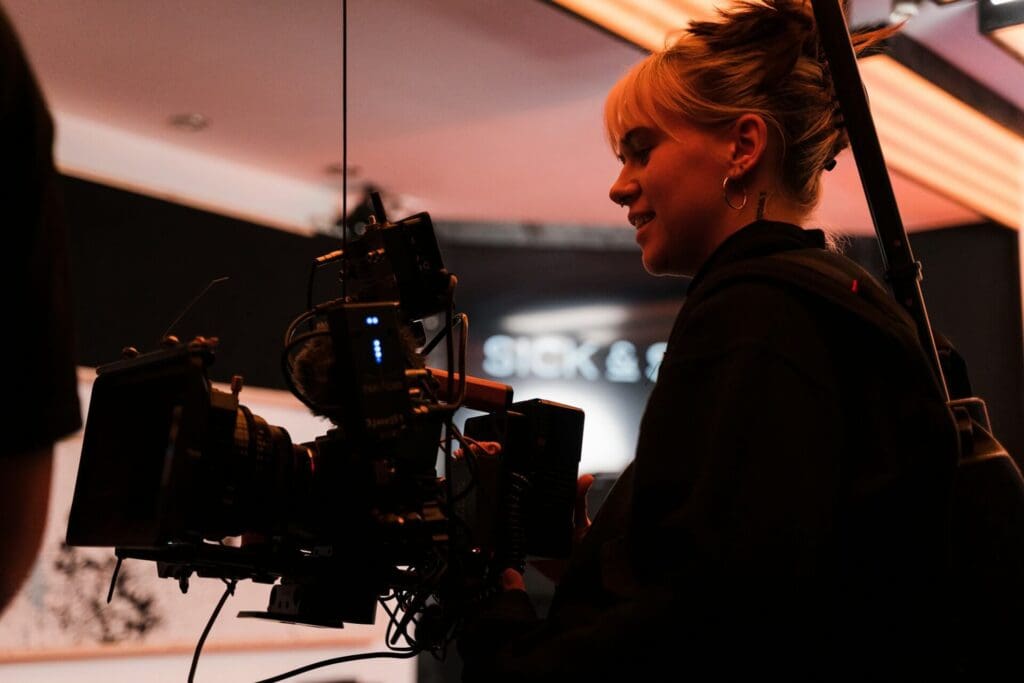
Naturalistic cinematography is a visual approach where the light, camera movement, and framing feel like they belong to the world of the story rather than to a film set. The camera isn’t drawing attention to itself. The light looks like it’s coming from a window, a lamp, the sun, or whatever light source actually exists in that scene. Nothing feels staged. Everything feels observed.
That’s the goal. But here’s the thing: that effortless quality is almost never accidental. Roger Deakins doesn’t show up and wing it. Neither does Rodrigo Prieto. The “natural” look you’re seeing in films like Moonlight or Aftersun is the result of meticulous pre-production, careful source motivation, and a lot of controlled decisions that the audience never notices. That invisibility is the point.
The core principle is source motivation. Every light in a naturalistic setup traces back to a believable source in the frame or implied just outside it. A window. A practical lamp. A TV. The overhead fluorescents in a diner. Your job as the DP is to find those sources, make them strong enough to work cinematically, and shape them so they hold up on screen without looking artificial.
The Technical Reality of Shooting “Natural” Light
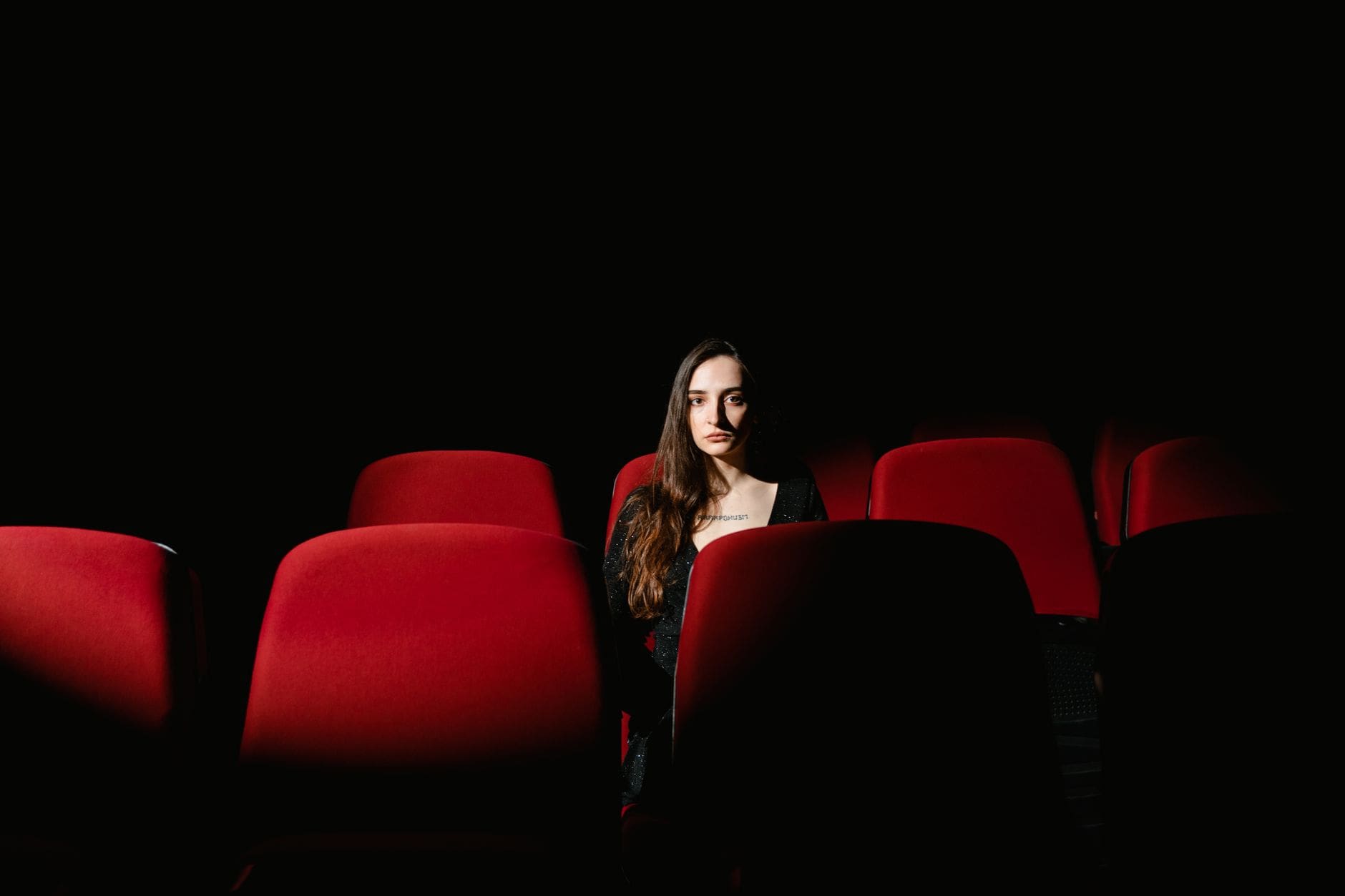
Window light is the most common naturalistic source, and it’s also the one that trips up newer DPs the most. Natural daylight through a window can shift from 5600K at noon to 4200K in overcast conditions to 3200K at golden hour. That’s a massive range. If you’re not controlling it, your color temperature is drifting mid-scene.
The working solution: use a large negative fill on the opposite side of your subject to hold contrast, add a frame of diffusion on the window itself (half or full grid cloth is a standard choice), and decide before you shoot whether you’re committing to a specific color temperature or whether you’re shooting log and grading it later. Most working DPs shooting naturalistic interiors will anchor to 5600K and gel any warm practical sources to match, or embrace the contrast between cool key and warm practicals as a deliberate choice.
Exposure is the other real challenge. Naturalistic cinematography often means shooting at lower light levels than a traditionally lit set. You’re not pumping in 10K HMIs. You might be rating your camera at 2500 ISO to make a 400-watt LED panel feel like noon sunlight. Know your camera’s native ISO before you commit to this approach. The ARRI camera system documentation is worth reading for understanding dual native ISO and how that affects your noise floor in low-light naturalistic setups. Sony Venice and the RED KOMODO both have similar dual-native behavior worth understanding before a naturalistic shoot.
How Camera Movement Works in This Style
Naturalistic cinematography and handheld shooting are not the same thing. They overlap a lot, but they’re not synonymous. You can shoot naturalistic images on a locked tripod. You can shoot highly artificial images handheld. Movement style is a separate conversation from lighting philosophy.
That said, the camera movement in naturalistic work does tend to feel reactive rather than choreographed. It follows the actor rather than leading them. It’s slower to settle. It doesn’t hit precise marks with the precision of a dolly move timed to a musical score. When you watch The Florida Project, Sean Baker and DP Alexis Zabe are often shooting on short lenses close to the kids, letting the frame find the action. That’s a specific choice that reinforces the observational quality of the film.
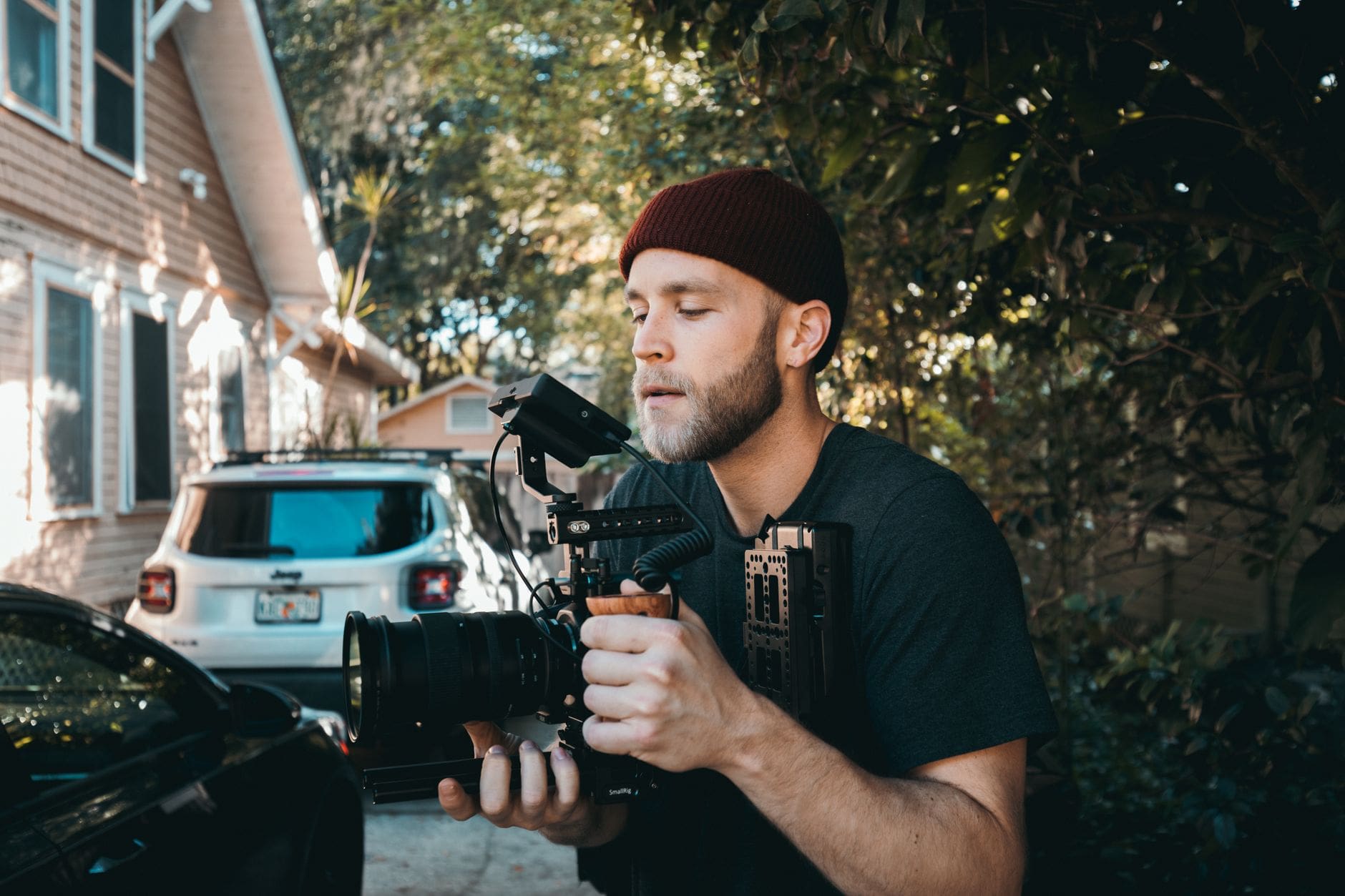
If you’re going handheld, get a rig that lets you shoot for hours without destroying your back and arms. SmallRig makes practical cage and handle systems that work well for run-and-gun naturalistic setups without the cost of a full studio rig. Good handheld work isn’t shaky for the sake of it. It’s steady enough to be readable but loose enough to feel present. That balance takes practice.
Lens choice matters here too. Naturalistic DPs tend to work in the 24mm to 50mm range for most coverage. Long lenses compress space in a way that can feel constructed. Short lenses, used correctly, put you in the room with the characters. But don’t over-correct: shooting everything at 18mm with heavy distortion isn’t naturalistic, it’s just wide.
What You Actually Do in Pre-Production
Scout your locations in the same light you’re planning to shoot in. This sounds obvious. Most people skip it. If you’re shooting a morning kitchen scene, go to that kitchen at 8am on a clear day and see exactly where the sun hits. See what it does to the walls, the table, the actor’s face. That information is worth more than anything you’ll figure out on the day.
Build a shot list that accounts for the light’s movement through the day. If you’re exterior-dependent, you’ve got a window (no pun intended) of maybe two hours at most before your light changes significantly. Schedule accordingly. Talk to your AD about it before the shoot, not on the day.
If you’re newer to the industry and trying to build skills in this area, the Desktop Documentary Starter Kit is a practical resource for understanding observational camera work and low-light shooting, which translates directly to naturalistic fiction work. A lot of the principles overlap.
Read about how other cinematographers approach this. The American Cinematographer magazine publishes detailed breakdowns of how working DPs built their lighting setups on specific films. Those articles are some of the best free education available. When Linus Sandgren talks through how he lit a scene in La La Land, you’re getting access to real technical decision-making.
The Difference Between Naturalistic and Low-Budget
This is a mindset issue more than a technical one, but it matters. A lot of low-budget shoots call themselves “naturalistic” when what they mean is “we didn’t have time or money to light properly.” That’s not the same thing. The style isn’t an excuse for poor exposure decisions or unmotivated shadows in the wrong places.
Naturalistic cinematography is a deliberate aesthetic choice made by skilled people with control over their image. You can shoot it on a shoestring budget, absolutely. But you’re still making intentional decisions about every source in every frame. You’re still adjusting your practicals with 60-watt tungsten bulbs versus LEDs to control color temperature. You’re still using a 4×4 foam core as negative fill when you can’t afford another stand.
Cinematographers working in this style include some of the best in the industry. It’s not the beginner’s shortcut, it’s often the harder path. The craft is in what you choose not to show, and in making everything that is visible feel like it just happened to be there.
If you’re looking for DP work or crew positions on productions shooting in this style, the film production job listings on FilmLocal are searchable by role, and the crew directory lets you connect with other working crew members who specialize in this kind of work. Building those relationships early is how you get on the right sets.


Key Takeaways
Naturalistic cinematography is a technically demanding, intentional style built on source motivation, controlled exposure, and camera work that feels observational rather than staged.
- Always trace your light back to a believable in-world source. If you can’t justify where it’s coming from, rethink the setup.
- Scout locations in the actual light conditions you plan to shoot in. Color temperature and intensity change dramatically through the day.
- Know your camera’s native ISO before committing to a low-light naturalistic approach. Shooting noise into your image isn’t the same as shooting grain intentionally.
- Handheld and naturalistic overlap but aren’t identical. Be deliberate about your camera movement choice rather than defaulting to shaky equals real.
- Naturalistic isn’t a synonym for under-prepared. Every light, every shadow, every lens choice should be a decision you can defend.
The best naturalistic work is invisible because it was planned so carefully, and that’s exactly the standard worth aiming for.
FAQs
What is naturalistic cinematography in simple terms?
It’s a visual style where light and camera movement feel like they belong to the real world of the story, not to a film set. The light appears to come from sources that actually exist in the scene, like windows or lamps, and the camera feels like it’s observing rather than performing. The key word is motivated: every visual choice has a believable in-world reason.
Do you need expensive gear to shoot naturalistically?
No. Some of the strongest naturalistic work has been shot on modest setups. What you do need is a camera with solid low-light performance (the Sony FX3 and Blackmagic Pocket 6K are popular choices at the lower budget end), an understanding of color temperature, and the patience to scout properly. Good foam core and a $40 LED panel can go a long way if you understand what you’re doing with them.
Is naturalistic cinematography the same as documentary style?
They share DNA but they’re not the same thing. Documentary shooting is observational by necessity, capturing what’s happening in front of the camera. Naturalistic fiction cinematography borrows the visual language of documentary but applies it to scripted material with full control over set, actors, and light. You’re creating the illusion of observation, which is actually harder than genuine observation.
What films are good reference points for learning naturalistic cinematography?
Start with Moonlight (DP James Laxton), Aftersun (DP Gregory Oke), The Florida Project (DP Alexis Zabe), and Leave No Trace (DP Michael McDonough). All four handle available and motivated light in very different ways, and all four are worth watching with the sound off, just studying what the light is doing frame by frame.
How do naturalistic DPs handle mixed color temperatures?
Usually by making a deliberate choice rather than trying to eliminate the mix entirely. You might anchor your camera white balance to daylight and let tungsten practicals go warm, using that contrast as part of the image. Or you gel your practicals with CTB to bring them closer to daylight. The decision depends on the emotional temperature of the scene. What you don’t do is accidentally mix temperatures without realizing it and deal with the mess in post.
Ready To Plan Your First Naturalistic Lighting Setup?
Start with one window and one subject, and don’t add a single additional light source until you fully understand what that window is doing to the image at different times of day. Most of the craft in naturalistic cinematography comes from learning to see light as it actually behaves, rather than how you assume it should behave. Once you’ve done that basic exercise a dozen times, everything else builds on top of it in a way that actually sticks.