Disclosure: This article contains affiliate links. If you make a purchase through one of these links, FilmLocal may earn a commission at no extra cost to you.
The Film Production Workflow, Start to Finish
The film production workflow isn’t one thing. It’s a chain of phases, and each one sets the conditions for the next. Break that chain anywhere and you feel it everywhere downstream. The good news is that the structure isn’t complicated. Most working filmmakers use a five-stage model: development, pre-production, production, post-production, and distribution. Some teams compress it to three. Some expand it to seven. The labels matter less than understanding what actually happens inside each stage and why the order exists.
Pre-production is cheap and decisive. Production is short and expensive. Post-production is long and constrained by every decision made before it. That’s not an opinion, that’s just how the economics work. The earlier you make a decision, the cheaper it is to make it. Shoot first, plan later is how budgets collapse.
Development: Before Anyone Gets Hired
Development is where the idea becomes a project someone can actually fund and greenlight. That means a finished script, a budget range, and some version of a package, usually an attached director, maybe a lead actor, maybe a producing partner. Without that, you don’t have a project, you have a conversation.
This phase gets skipped or rushed constantly, especially on lower-budget productions where the writer and director are the same person. Don’t skip it. Even a one-pager that describes what the film is, who it’s for, and roughly what it costs to make will save you enormous headaches when you start talking to collaborators or investors.
If you’re making a documentary, the development phase has its own specific demands. You need to know your access, your subjects, and your argument before you go anywhere near a camera. The Documentary Starter Kit Mini-Course from Desktop Documentaries is a solid free resource for understanding how documentary development actually works before you commit to a full production plan.
Pre-Production: Where the Real Work Happens
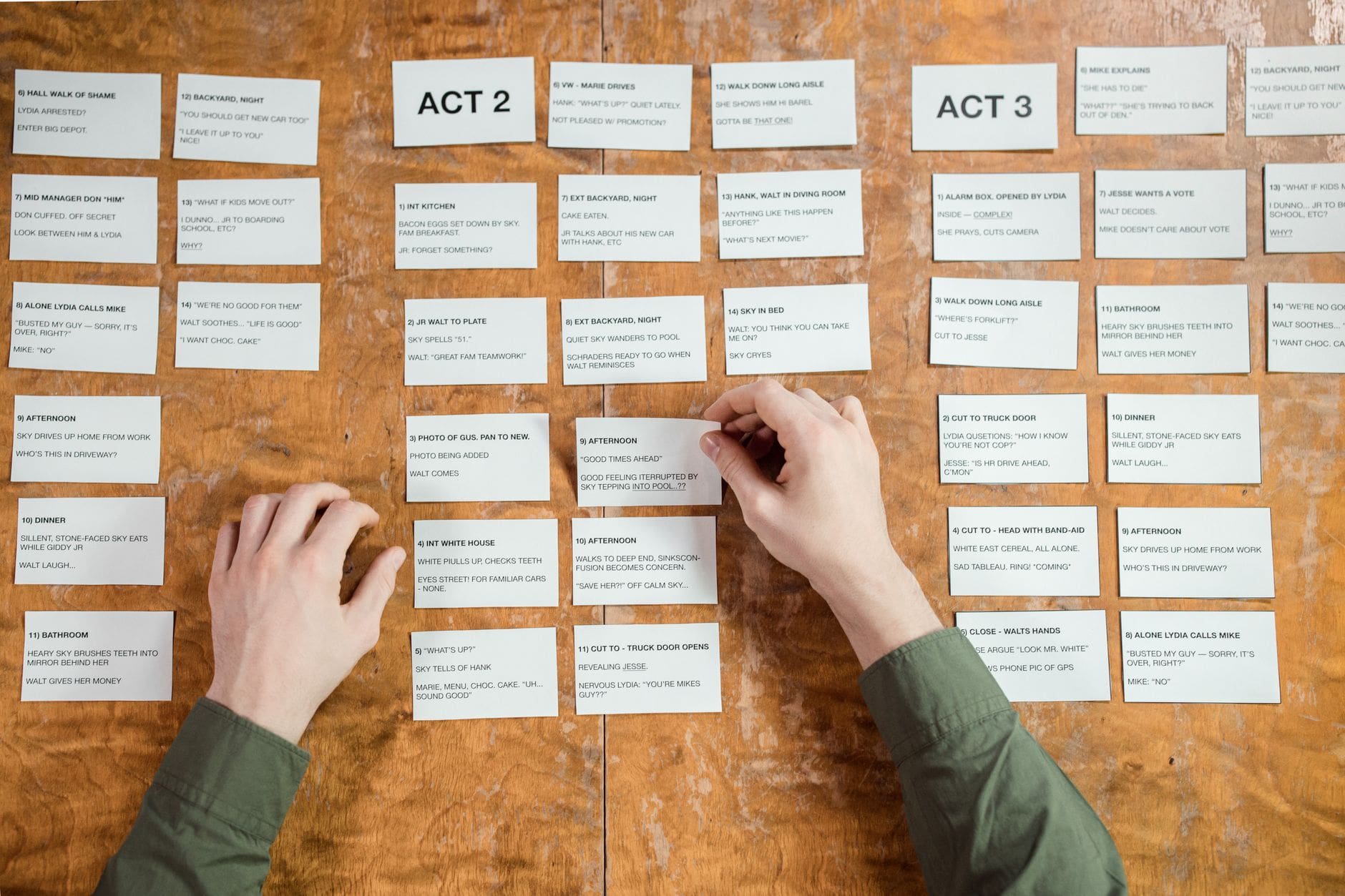
Pre-production is the phase most beginners underestimate and most experienced filmmakers treat as sacred. Pre-production workflows cover script development, script breakdowns, scheduling, storyboarding, shot lists, call sheets, production calendars, and post-production planning. That’s not busywork. That’s the architecture of your shoot.
The script breakdown comes first. Once the screenplay is locked, the breakdown transforms creative ideas into practical production tasks by identifying every element required to film each scene. Cast, props, wardrobe, vehicles, special effects, locations. Each element gets tagged and tracked. Miss something here and it shows up as a problem on set, usually on the worst possible day.
From there you build your schedule. The 1st AD works out the exact sequence in which scenes will be shot, and that sequence almost never follows the script’s chronological order. You shoot based on locations, cast availability, and daylight, not story order. The UPM then makes sure that schedule fits the budget. That’s why a solid 1st AD and UPM are worth every dollar.
Shot lists and storyboards are part of this phase too. The shot list is a to-do list of every shot the cinematographer plans to capture, mapped out in detail. It’s the common language between the director and the DP. Storyboarding became standard practice for live-action films in the early 1940s and it’s still one of the fastest ways to find problems in your plan before they become problems on set.
Casting and crewing up also happens here. If you’re looking to build a team, the crew directory and actor and cast directory on FilmLocal are practical starting points for finding working professionals across North America.
Production: The Short, Expensive Part
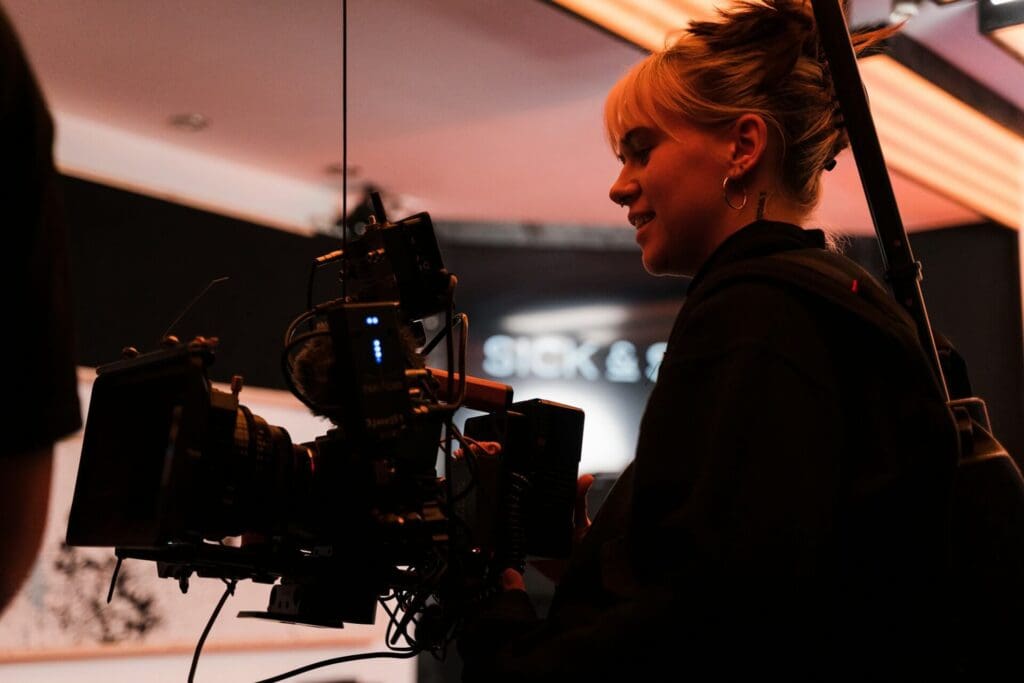
Principal photography is where the money burns. Every day on set costs money, often a lot of it. Your prep either holds up or it doesn’t. There’s no rewriting the schedule at 6am because you forgot to lock a location.
The core job during production is capturing what was planned in pre-production, while staying flexible enough to handle what wasn’t. Weather changes. Actors get sick. Equipment fails. A well-prepped production absorbs these hits. An under-prepped one falls apart.
The unit production manager is responsible for how money is spent and the overall management of the production during this phase. That means daily cost reports, managing the crew, and keeping the schedule honest. The director’s attention should be on performance and coverage. The UPM’s attention should be on whether you can afford tomorrow’s day.
Camera packages, lighting setups, and rigging all affect how fast you can work. For smaller productions building out a kit, SmallRig makes camera cages, LED lights, and rigging solutions used across professional and indie productions worldwide.
Post-Production: Cutting, Coloring, and Finishing
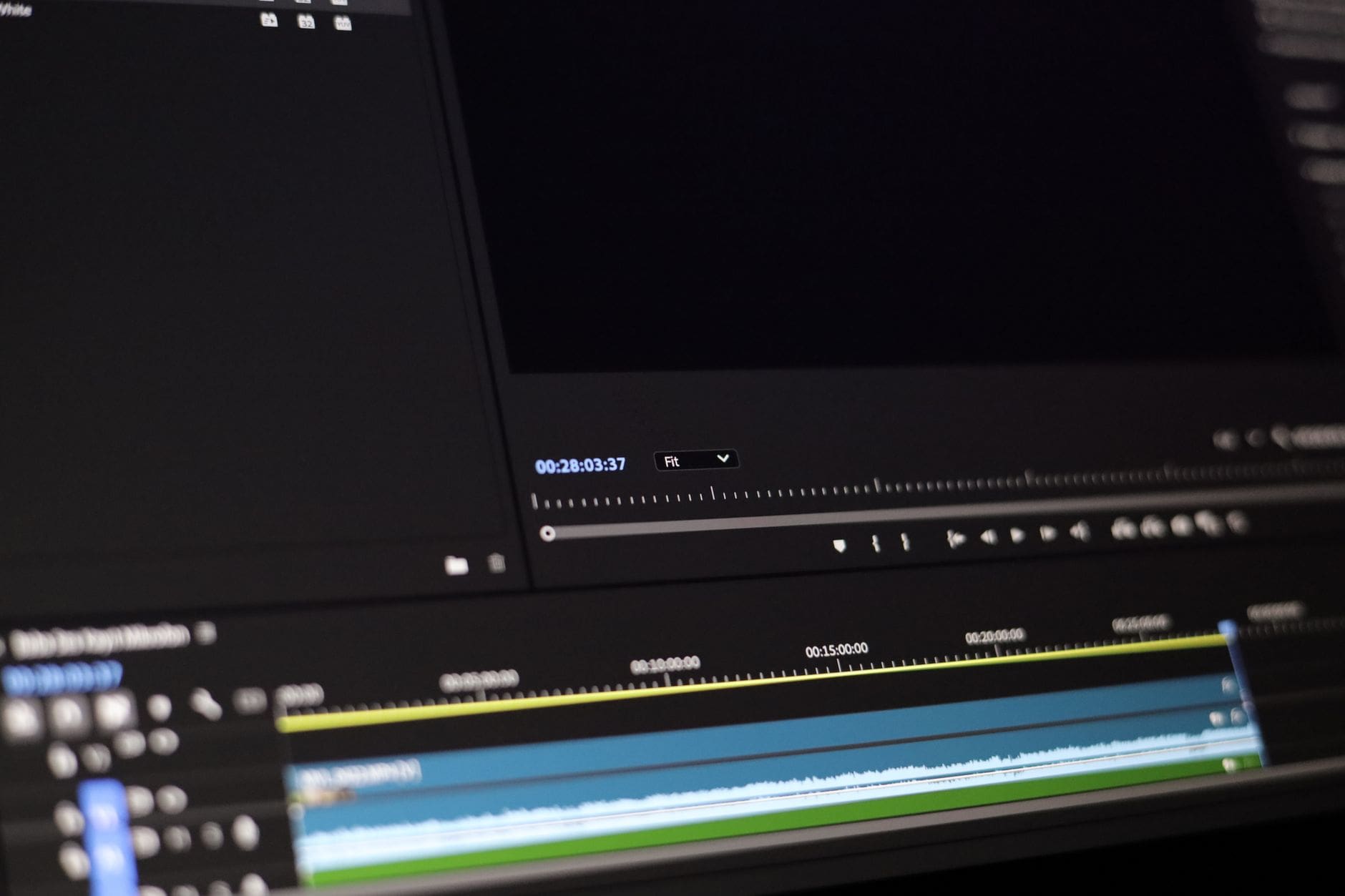
Post is where the film production workflow shifts from physical to digital. Post covers picture editing from rough cut to fine cut to final cut, color grading, sound design, visual effects, titles, and the final sound mix and master. On a feature, post usually runs for months, often far longer than the shoot itself, and it almost always takes longer than you think.
Sound deserves more attention than most first-time filmmakers give it. Audio post covers all stages of audio production relating to sound synchronized with picture, including ADR, Foley, music, and voiceover. Bad sound is the fastest way to lose an audience. It’s also the thing that separates a film that feels professional from one that doesn’t, regardless of how good the cinematography is.
Color grading comes after picture lock. Don’t grade a cut that isn’t finished. It wastes time and creates versioning confusion.
Distribution: Getting It Seen
Distribution is the most neglected phase of the film production workflow and the one that determines whether the work was worth doing commercially. This is where your film finds its audience, whether that’s a festival run, a streaming deal, a theatrical release, or a direct-to-platform upload.
Start thinking about distribution during development. Know whether you’re making a festival film or a platform film or a commercial release. Each path has different requirements for delivery formats, rights clearances, and marketing materials. Finding out your deliverable specs after picture lock is a painful, expensive lesson.
If you’re early in your career and trying to understand how all of this connects in practice, the film industry employment starter pack is a good place to get oriented. And if you’re actively looking for work across any of these phases, film production job listings on FilmLocal cover crew roles across the full pipeline.


Key Takeaways
A strong film production workflow isn’t about following a rigid formula. It’s about making decisions at the right stage so you’re not paying for them later.
- The five-stage model (development, pre-production, production, post, distribution) gives you a clear map for every project, regardless of budget size.
- Pre-production is where most productions are won or lost. A thorough script breakdown, a realistic schedule, and proper crewing decisions save money every single shoot day.
- The shooting schedule almost never follows story order. It’s built around locations, cast availability, and daylight, so the 1st AD’s scheduling work is some of the most valuable planning on the project.
- Sound post-production is as important as picture. Build time and budget for ADR, Foley, and a proper mix from the start, not as an afterthought.
- Distribution strategy should be part of your development conversation. Know your destination before you start building the vehicle.
Every phase of production creates the conditions for the next one. Get the order right and the whole thing is manageable. Skip stages and you’ll spend the rest of the project paying for it.
FAQs
What’s the difference between a three-stage and five-stage production model?
The three-stage model covers pre-production, production, and post-production, which is the hands-on core of making a film. The five-stage model adds development at the front and distribution at the end. For anyone making a film with real commercial intentions, the five-stage model is more accurate to how the work actually unfolds.
How long should pre-production take?
It depends on the scale of the project, but a rough rule is that pre-production should take at least as long as your shoot, often longer. Features usually need weeks to months of prep, depending on budget and complexity. Shorts can be done in a few weeks if the script is simple and the crew is small, but even a one-day shoot deserves real prep time.
What is a script breakdown and why does it matter?
A script breakdown is a systematic pass through every scene in the script to identify every element needed to shoot it: cast, props, wardrobe, locations, vehicles, special effects, and anything else that requires planning or money. It’s the foundation of your budget and schedule. Skip it and you’ll be discovering missing elements on set.
What does a unit production manager actually do?
The UPM manages how money is spent and oversees the overall operation of the production. That includes approving the budget and schedule, tracking daily costs, managing crew logistics, and making sure the production can actually afford to execute the plan. They work under the producer and are one of the most important hires on any project.
When should I start thinking about distribution?
During development, before you’ve spent a dollar on production. The distribution path you’re aiming for affects your deliverable specs, your rights clearances, your marketing materials, and sometimes even your casting decisions. Treating distribution as a post-production problem is a common and expensive mistake.
Ready To Map Out Your Next Production From Script To Screen?
The workflow exists for a reason. Each phase protects the next one, and every shortcut you take in development or pre-production shows up as a real cost during production or post. Know the full pipeline, build your team early, and make your decisions when they’re still cheap to make. That’s the job.