Disclosure: This article contains affiliate links. If you make a purchase through one of these links, FilmLocal may earn a commission at no extra cost to you.
What Does a Camera Assistant Do in Film, Really?
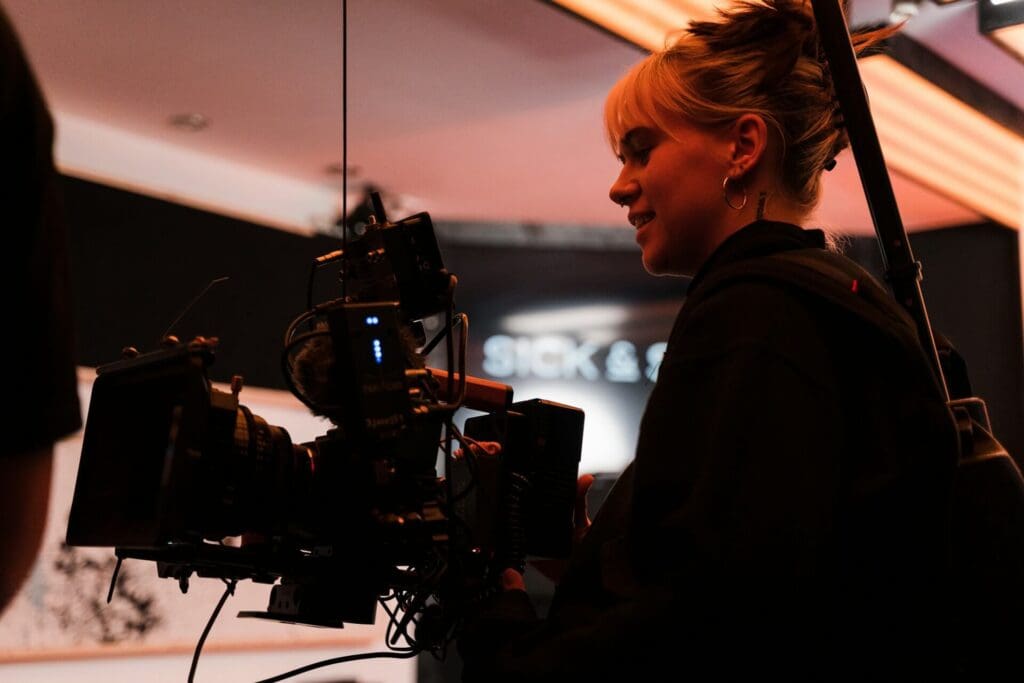
The title sounds simple. It’s not. A camera assistant, depending on their position, is responsible for one of the most technically demanding jobs on set. There are two distinct roles under the AC umbrella, and they’re different enough that you should think of them as separate careers at the start.
The 1st AC, or first assistant camera, owns focus pulling. They physically control focus during every take, tracking actors through space, adjusting for lens breathing, compensating for camera movement, all in real time. On a narrative set with a prime lens at T1.4, a missed focus pull is visible on a 40-foot screen. There’s no hiding it in post. The 1st AC also builds and tears down the camera, manages lens packages, and is the DP’s right hand for anything camera-body related.
The 2nd AC, or second assistant camera, runs the slate, marks actors’ positions with tape, maintains the camera reports, manages media (labeling, logging, handing off cards or magazines to the DIT), and assists the 1st AC in keeping the package organized and functional. On smaller productions, a 2nd AC might also load film or digital media. On larger ones, a loader handles that separately.
So when someone asks what does a camera assistant do in film, the honest answer is: it depends entirely on which AC you’re talking about.
The Technical Skills You Actually Need
Focus pulling is a physical skill. You learn it by doing it, thousands of times. But before you get anywhere near a focus wheel on a real set, you need to understand the fundamentals cold.
Depth of field, hyperfocal distance, lens breathing, the relationship between aperture and focus latitude. You need to read tape measures fast and mark focus on a lens barrel without looking like you’re doing math. On an ARRI ALEXA with a set of Leica Summilux primes, your marks are in feet and fractions. You need to hit them consistently, take after take.
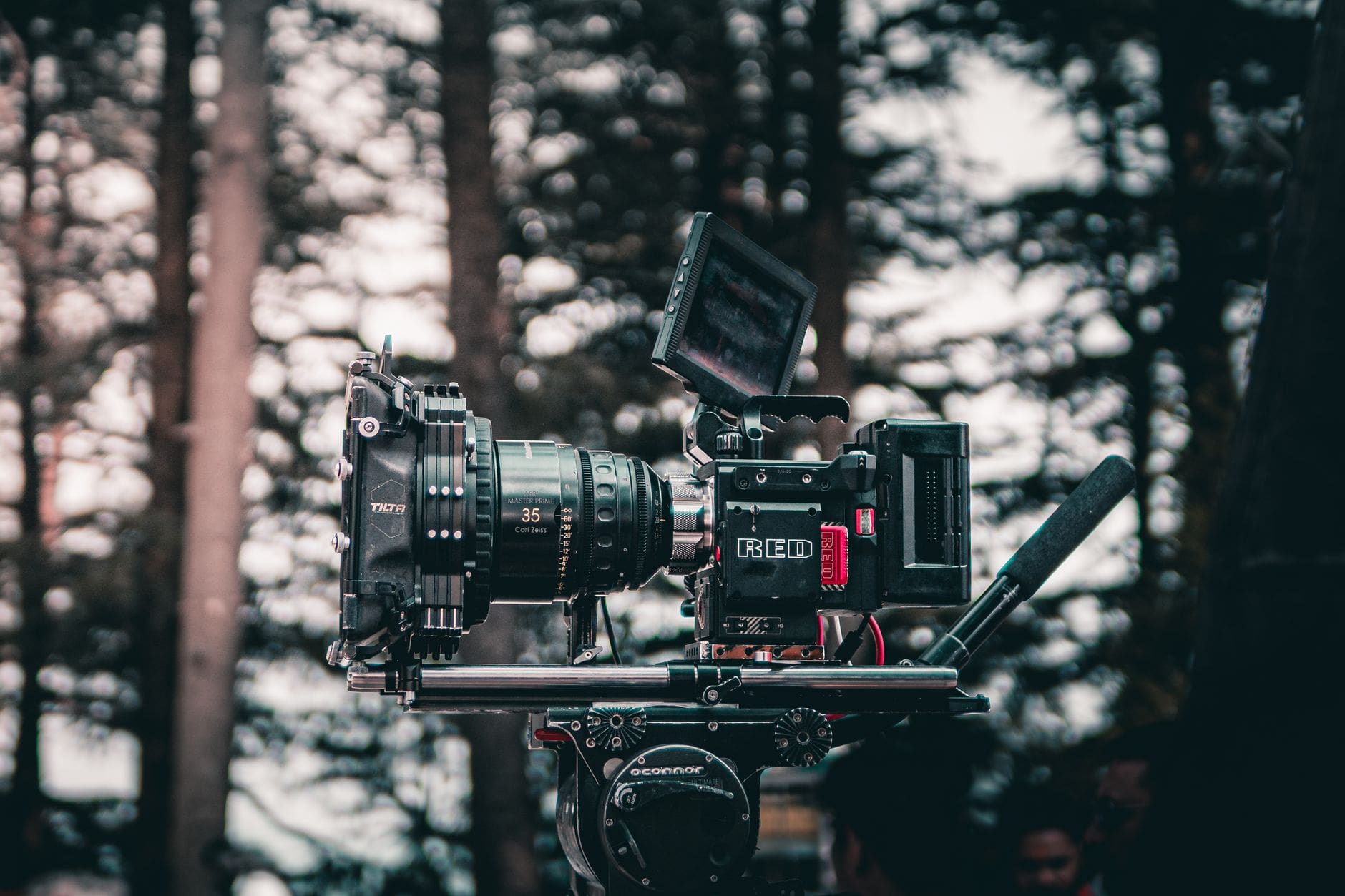
Most working 1st ACs are fluent in ARRI’s camera systems, Sony VENICE, RED KOMODO and V-RAPTOR, and the Blackmagic URSA lines. Knowing how to quickly build, balance, and configure these bodies isn’t optional. DPs don’t want to explain their own camera to their 1st AC.
For 2nd ACs, the technical load shifts toward media management and organization. You’re logging every roll, every card, every magazine. A mistake in the camera reports can cause a disaster in post. Neat, accurate paperwork under pressure is a real skill, and a lot of people underestimate it.
If you’re building your kit and looking for affordable rigging solutions, SmallRig makes camera accessories and support gear that many ACs use on lower-budget sets and for personal kit builds.
What Camera Assistants Actually Earn
Let’s be specific. On a union shoot under the IATSE Local 600 (the International Cinematographers Guild), a 1st AC on a studio feature earns roughly $65 to $75 per hour, with overtime kicking in after eight hours. A 2nd AC earns somewhere in the $45 to $55 per hour range under the same agreements.
Non-union rates vary a lot. On a low-budget indie, a 2nd AC might make $200 to $350 per day. A 1st AC on a mid-budget project might earn $400 to $600 per day. Music videos and commercials tend to pay higher day rates than indie narrative work, which is why a lot of ACs chase commercial work in between features.
The reality is that early in your career, you’re not making much. PA wages while shadowing camera, $150 days as a utility, $200 days as a 2nd AC on low-budget shoots. The income builds as your reputation does. Most people don’t see consistent 1st AC work until three to five years in.
The Real Career Path Into the Camera Department
There’s a hierarchy, and you mostly can’t skip it. The standard path is: production assistant, then camera PA or utility, then 2nd AC, then 1st AC, then potentially DP. Each step up requires that someone who’s already working vouches for you.
This is a relationship-driven department. Your first 2nd AC job almost certainly comes from a 1st AC who knows you can handle it. Which means your job as a PA or utility is to be reliable, fast, and not annoying. Simple as that.
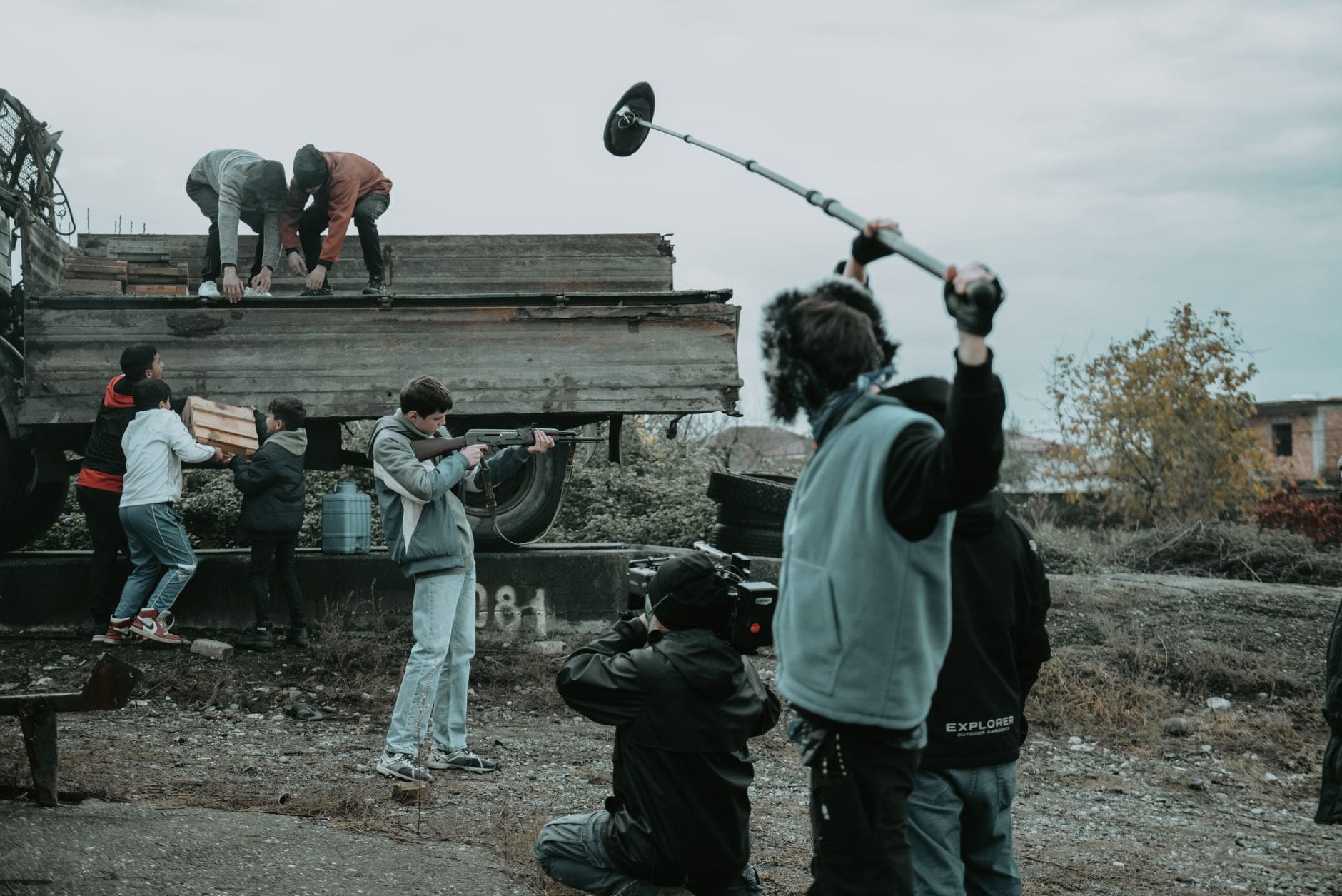
Get comfortable around camera equipment before you’re on set. Rent gear through a local house, practice loading magazines, practice building and breaking down an ARRI LF or an FX6. Take a hands-on camera assistant workshop if one’s available near you. Film schools sometimes open their gear rooms to auditors. Ask.
Finding early work means using every resource available. Browse film production job listings regularly, and build out a profile in the crew directory so DPs and UPMs can find you when they’re crewing up fast. Word of mouth still rules this department, but people need to be able to verify who you are.
The film industry employment starter pack is worth going through if you’re just getting oriented on how production hiring actually works.
What Separates Good ACs From Great Ones
Technical knowledge is the floor. Every working AC has it. What separates the ones who get called back is temperament and anticipation.
On a fast-moving set, a great 1st AC is already solving problems that haven’t happened yet. They notice the camera’s about to move before the operator announces it. They see the actor drifting off their mark and pre-adjust. They communicate with the DP without breaking the rhythm of the shot. It’s a kind of set intelligence that you only develop by logging hundreds of shoot days.
For 2nd ACs, the equivalent is invisible efficiency. The slate is always where it needs to be. The marks are down before the AD asks. The camera reports are accurate at wrap. Nobody notices you’re doing anything, and that’s exactly the point.
Understanding what does a camera assistant do in film at a surface level is easy. Actually doing it well under pressure, on a 14-hour day, with a DP who’s stressed and an actor who keeps drifting, that takes time to build.
If you’re serious about building technical skills and understanding production from the ground up, browsing through filmmaking articles that cover the broader production process will help you connect the camera department’s role to everything else happening on set.



Key Takeaways
Camera assisting is one of the most technically demanding entry points into the image-making side of film production, and it rewards people who combine hard technical skills with sharp set awareness.
- There are two distinct AC roles: the 1st AC pulls focus and manages the camera package, while the 2nd AC runs the slate, maintains camera reports, and manages media.
- Union 1st ACs on studio shoots earn $65 to $75 per hour. Non-union day rates for 2nd ACs start around $200 on low-budget productions and climb with experience.
- The standard path is PA or utility first, then 2nd AC, then 1st AC. You mostly can’t skip steps, because each promotion depends on a recommendation from someone already working.
- Technical fluency with ARRI, Sony, RED, and Blackmagic systems is expected before you’re on a professional set. Practice before you show up.
- Relationships drive hiring in the camera department. Build your profile, stay reliable, and the calls will come from people who’ve seen you work.
The camera department is competitive, but it’s also one of the most clearly structured paths in production. Put in the time at each level and the progression is real.
FAQs
Do I need film school to become a camera assistant?
No. Most working ACs didn’t go to film school, or if they did, they got their real training by working. What matters is hands-on time with camera systems and a track record of reliable set work. Film school can accelerate access to gear and connections, but it’s not a requirement.
How long does it take to go from 2nd AC to 1st AC?
Realistically, three to five years if you’re working consistently. Some people do it faster on a run of low-budget projects where they get thrown into 1st AC duties early. On the union path, there are hour requirements to meet before you can move up classifications. Either way, don’t rush it. Pulling focus badly as a 1st AC sets your reputation back faster than staying a 2nd AC longer.
What’s a camera utility and how does it fit in?
A camera utility, sometimes called a camera PA or additional camera assistant, handles grunt work around the camera department. Moving cases, fetching gear, organizing the truck, helping the 2nd AC. It’s a step below 2nd AC and a common first entry point for people getting into the department without prior credits.
Do camera assistants need their own equipment?
Most 2nd ACs build a basic kit over time: tape measures, a slate, markers, focus charts, lens cleaning supplies, maybe a follow focus or two. You don’t need to own cameras or lenses. The production rents those. But showing up with your own professional toolkit signals you’re serious, and some DPs expect it.
Is it easier to break in as a 2nd AC in smaller markets?
Often, yes. In markets outside the major production hubs, the pool of available ACs is smaller and productions sometimes promote people faster out of necessity. The tradeoff is that there’s less consistent work available. Many ACs build experience in smaller markets and then move or travel to where the volume is.
Ready To Start Building Your Camera Department Career?
The path into camera assisting is clearly defined: get around equipment, get on set in any capacity, and be someone a 1st AC wants to call again. Focus on building real technical skills with the camera systems that are actually in use on professional productions, not just theory. The work is demanding and the hours are long, but the camera department is one of the few places in production where genuine craft gets noticed fast.