How to Write a Short Film Script: What’s Different About the Format
Short film scripts follow the same basic formatting rules as features. You’re writing in Final Draft, Fade In, or Celtx. You’re using Courier 12-point. Scene headings, action lines, dialogue, all formatted the same way. One page still roughly equals one minute of screen time. That part doesn’t change.
What changes is everything else. A short film script runs between 5 and 20 pages. Anything over 15 pages is pushing it unless your concept genuinely demands the length. Most festival-winning shorts land between 8 and 12 pages. That’s your target zone.
You don’t have room for subplots. You don’t have room for a slow burn character introduction. You don’t have room for scenes that exist to set up other scenes. Every single page has to carry weight. If a scene doesn’t change something, cut it.
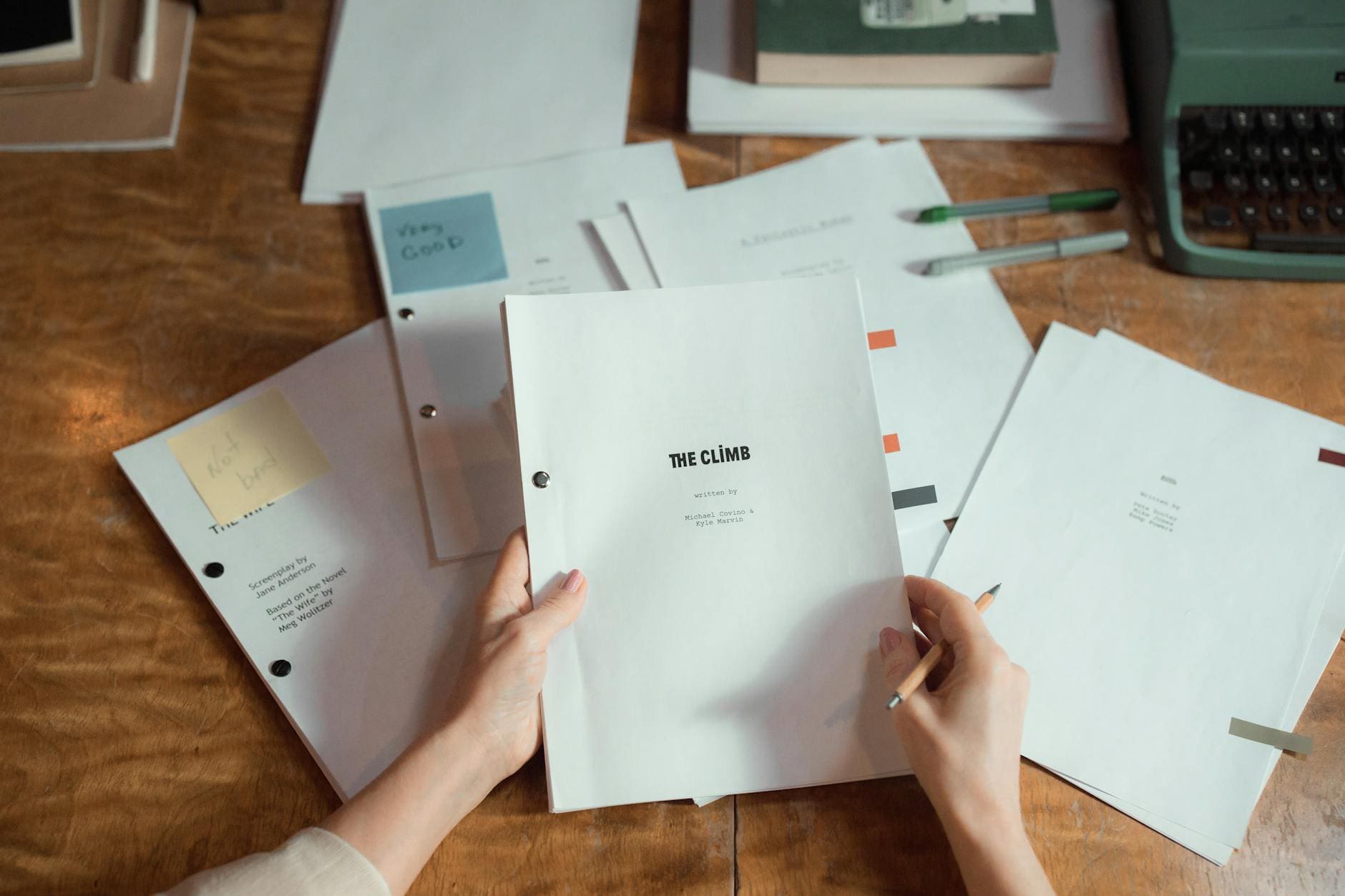
Software-wise, Fade In costs $79.99 USD once and works on Mac, Windows, and iOS. Final Draft 12 runs about $199.99 USD. If you’re just starting out, StudioBinder’s free screenwriting tool gets the formatting right without costing you anything. Pick one and stick with it. The software isn’t the problem.
Short Film Structure: Forget the Three-Act Template
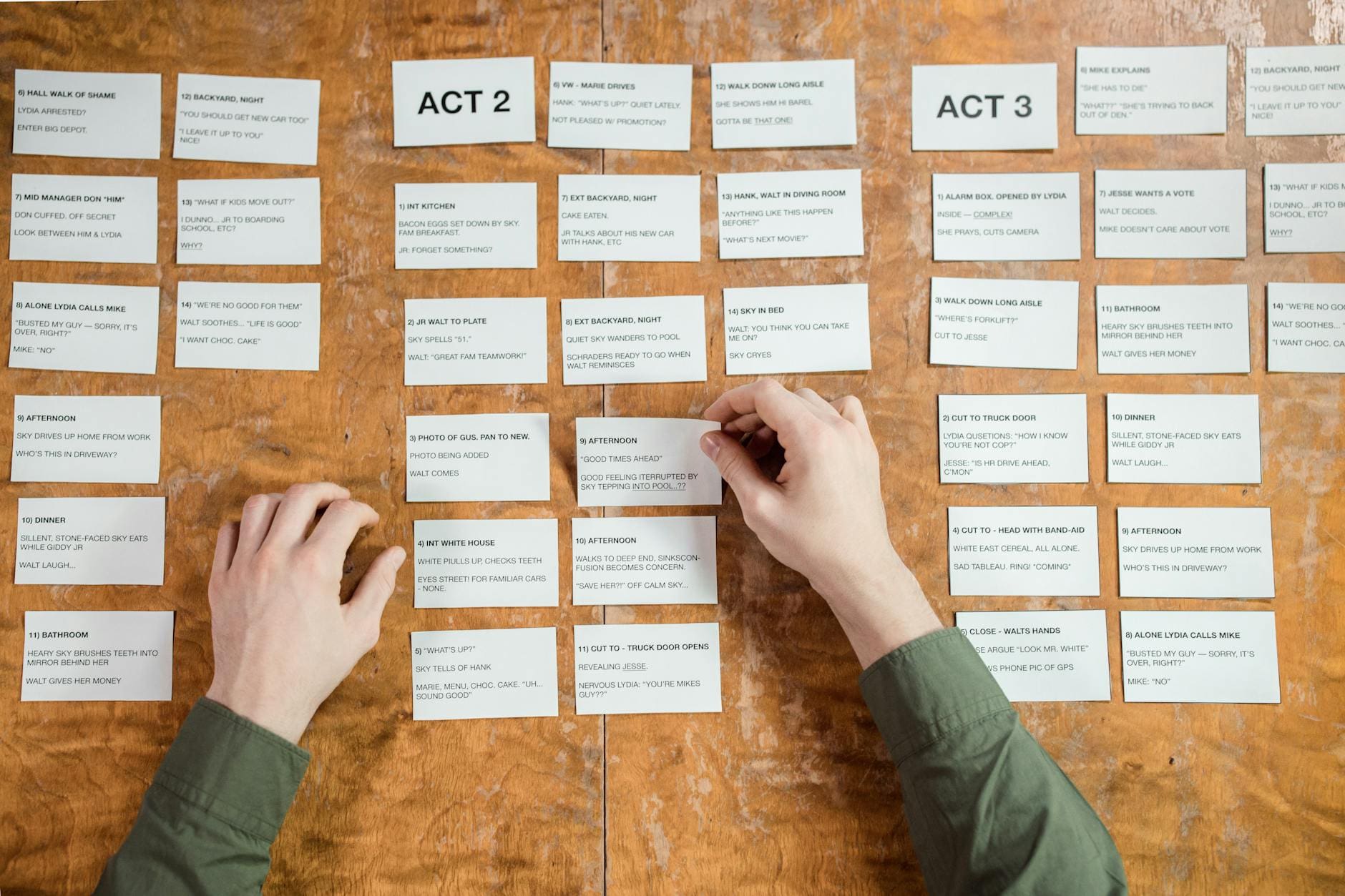
Here’s the honest take: the standard three-act structure technically applies to shorts, but thinking about it that way often leads writers into trouble. You start trying to hit “midpoint reversals” and “act two breakdowns” in a ten-page script and suddenly your story feels mechanical and airless.
Think of it differently. A short film is one situation, one change, one landing. That’s it. Your character starts somewhere emotionally or physically. Something happens. They end up somewhere different. The best short scripts you can study, films like Stutterer (2015 Oscar winner, 12 minutes) or the Canadian short Curfew, do exactly this. One clear thing, done well.
The setup should take roughly 25 percent of your script. The confrontation or complication runs about 50 percent. The resolution, including the final image, takes the last 25 percent. On a 10-page script, that’s roughly 2.5 pages, 5 pages, 2.5 pages. Don’t obsess over those numbers, but they give you a sense of pacing.
And start late. Really late. Most first drafts open two or three scenes before the story actually begins. Cut those. Drop the audience into the action. If your protagonist is about to make a decision that matters, that’s your page one.
Concept and Constraints: Write What You Can Actually Shoot
This is where learning how to write a short film script gets practical fast. You’re probably not writing on a studio budget. The average Canadian independent short film budget runs between $5,000 and $30,000 CAD, and a lot of them are shot for far less. In the U.S., SAG-AFTRA’s Student Film Agreement lets you work with union actors on micro-budgets, which changes what you can cast, but it doesn’t change what you can afford to build or shoot.
Write for one or two locations. Write for two or three characters maximum. Write scenes that happen in real places you can actually get permission to use. A script that takes place entirely in a kitchen is not a failure of imagination. It’s a smart writer making a film they can actually make.
The concept itself needs to be specific enough to be interesting but simple enough to execute. “A woman decides to leave her marriage” is too thin. “A woman packs one suitcase while her husband sleeps and has to choose what to take” is a short film. The specificity is where the story lives.
Dialogue and Subtext: Less Is Almost Always More
New writers over-explain in dialogue. Characters say what they feel. Characters explain their motivations. Characters describe what the audience can already see. All of it needs to go.
In a short, dialogue has to do two things at once: move the scene forward and reveal character. If a line only does one of those, you probably don’t need it. Read your dialogue out loud. If it sounds like someone explaining the theme of the script, cut it.
Subtext is the actual story. What characters don’t say, what they avoid, what they almost say but stop. A scene about two siblings arguing about what to do with their late mother’s house is never really about the house. Write toward that gap, not away from it.
Short film scripts also tend to work better with minimal dialogue overall. Some of the strongest short scripts you’ll read are almost wordless. Action lines carry more story than most writers give them credit for. Describe behavior, not appearance. “She stacks the dishes carefully, one by one” tells us something. “She is a tired woman in her forties” tells us nothing.
Rewriting and Getting Notes: The Draft That Actually Gets Made
Your first draft exists to be rewritten. Don’t skip this step because you’re excited to start production. A script that hasn’t been through at least two or three drafts is almost certainly not ready to shoot.
Get notes from people who read scripts, not just people who watch movies. Other writers, script consultants, development folks you know through the industry. If you’re in Toronto or Vancouver, organizations like the National Screen Institute run short film development programs with professional story feedback. That kind of structured notes process is worth more than a dozen opinions from supportive friends.
When you’re revising, read for pace first. Print it out. Time yourself reading it aloud at a normal pace. If it’s taking longer to read than you expected, something’s dragging. Look for scenes where nothing changes, look for dialogue that circles rather than moves, and look for action lines that describe shots instead of behavior.
Once you’ve got a script that’s genuinely ready, the rest of pre-production falls into place faster than you’d think. You’ll find your crew through the crew directory, cast your actors using the actor and cast directory, and pull together production support through filmmaking resources built for exactly this stage. But none of that matters if the script isn’t there yet.
Keep writing. Keep rewriting. A tight, specific, honest ten-page script is a real piece of work. It can get you into festivals, get you a directing reel, get you meetings. That’s how this industry works at the short film level, and it starts on the page.



Key Takeaways
Writing a strong short film script means understanding that the form has its own rules, and the writers who respect those rules make films that actually get finished and seen.
- Target 8 to 12 pages. Anything longer needs a clear reason to exist at that length.
- Build your concept around one situation, one change, and one final image. That’s the whole structure.
- Write for locations and resources you actually have access to. A script you can’t shoot is just an exercise.
- Cut dialogue that only explains. Every line should do at least two things at once.
- Get professional notes before you lock your draft. The National Screen Institute, script consultants, and working writers in your network are your best resources here.
The short film script that gets made is the one that’s been rewritten enough times that there’s nothing left to cut and nothing missing that needs to be there.
FAQs
How long should a short film script be?
Most short film scripts run between 8 and 12 pages, with one page equaling roughly one minute of screen time. Festival programmers generally consider anything over 20 minutes a “medium-length film,” so if you’re targeting the major circuit, stay under 15 pages. The 10-page sweet spot gives you enough room to build character and tension without overstaying your welcome.
What software should I use to write a short film script?
Fade In at $79.99 USD is the best value for working professionals. Final Draft 12 at $199.99 USD is the industry standard on most studio and broadcast productions. If cost is a barrier right now, Celtx has a free browser-based option and StudioBinder offers free screenwriting formatting. Any of these will produce a properly formatted script.
Do short film scripts need a three-act structure?
Technically yes, but thinking rigidly in those terms often hurts short scripts. Focus instead on one situation, one complication, and one resolution. The structural proportions roughly match a three-act breakdown, but approaching it as a single contained arc keeps the script from feeling formulaic at a length where every page counts.
How do I find cast and crew after my script is ready?
Start with the film production job listings to post your project and connect with crew actively looking for short film work. The FilmLocal actor and cast directory and crew directory are built specifically for the Canadian and American markets, covering Toronto, Vancouver, Los Angeles, and New York.
Can I write a short film script with no film school background?
Absolutely. Most working short filmmakers are self-taught or learned on set, not in a classroom. Read produced short film scripts, watch the films alongside the scripts, and get your drafts in front of people who can give you honest notes. The National Screen Institute in Canada and programs through organizations like Film Independent in the U.S. offer development support that doesn’t require a degree.
Ready To Take Your Short Film Script From Concept To Production-ready Draft?
The gap between a rough idea and a script that’s actually ready to shoot comes down to specificity, restraint, and honest rewriting. Pick your one situation, build toward your one change, and cut everything that doesn’t earn its page. Get real notes from people who read scripts for a living, not just people who want to be supportive. Do that work on the page, and the production that follows will be sharper, faster, and a lot less expensive than shooting from a script that wasn’t ready.