Disclosure: This article contains affiliate links. If you make a purchase through one of these links, FilmLocal may earn a commission at no extra cost to you.
What Is a Film Lighting Plan, Really?
A film lighting plan is a document, or set of documents, that maps out exactly how a scene will be lit before the crew shows up. It includes light positions, fixture types, power requirements, and the order of operations for the electric and grip departments. Think of it as the difference between a chef who preps their mise en place and one who starts cooking and then figures out they’re missing half the ingredients.
The term “gaffer’s script” is less formal than it sounds. It’s not a separate script at all. It’s what happens when a gaffer marks up a shooting script, or more often a breakdown, with scene-by-scene lighting notes. You’ll see annotations like “2K HMI through window, 4×4 neg fill camera left, practicals hot” scrawled next to scene numbers. Some gaffers do this digitally using tools like ShotPro or Lightwright. Others still use a printed script with highlighters and a pencil.
Either way, the goal is the same. The gaffer needs to show up on day one knowing what they’re building, not guessing.
How the DP and Gaffer Build a Lighting Plan Together
This collaboration is where a film lighting plan actually gets built. The director of photography leads the creative vision. The gaffer translates it into something executable with real gear, real power, and real time constraints.
It usually starts in a tone meeting or a scout. The DP will describe what they want the scene to feel like. Hard light, motivated by a window at a certain angle. Or soft, wrapped light for a confessional moment. The gaffer listens for specifics: direction, quality, ratio, color temperature. Then they start filling in the practical details.
On a union production, this conversation follows a formal prep period. On a non-union indie shot over a long weekend, it might happen over a phone call the night before. But even on micro-budget shoots, the conversation needs to happen. A DP who hasn’t talked to their gaffer about what they’re building will cost themselves hours on set.
The lighting plan that comes out of these conversations typically covers a few things. First, scene-by-scene fixture lists with specific units, for example “2x ARRI SkyPanel S60-C, 1x 1.2K HMI with 4×4 frame.” Second, rigging requirements, whether lights are hanging, floor-standing, or car-mounted. Third, power draw calculations to make sure the available power at each location can actually handle the load. Fourth, any special rigging or safety notes.
That last one matters more than people think. A lot of rigging accidents happen when prep was rushed and nobody wrote anything down.
What Goes Into a Lighting Diagram
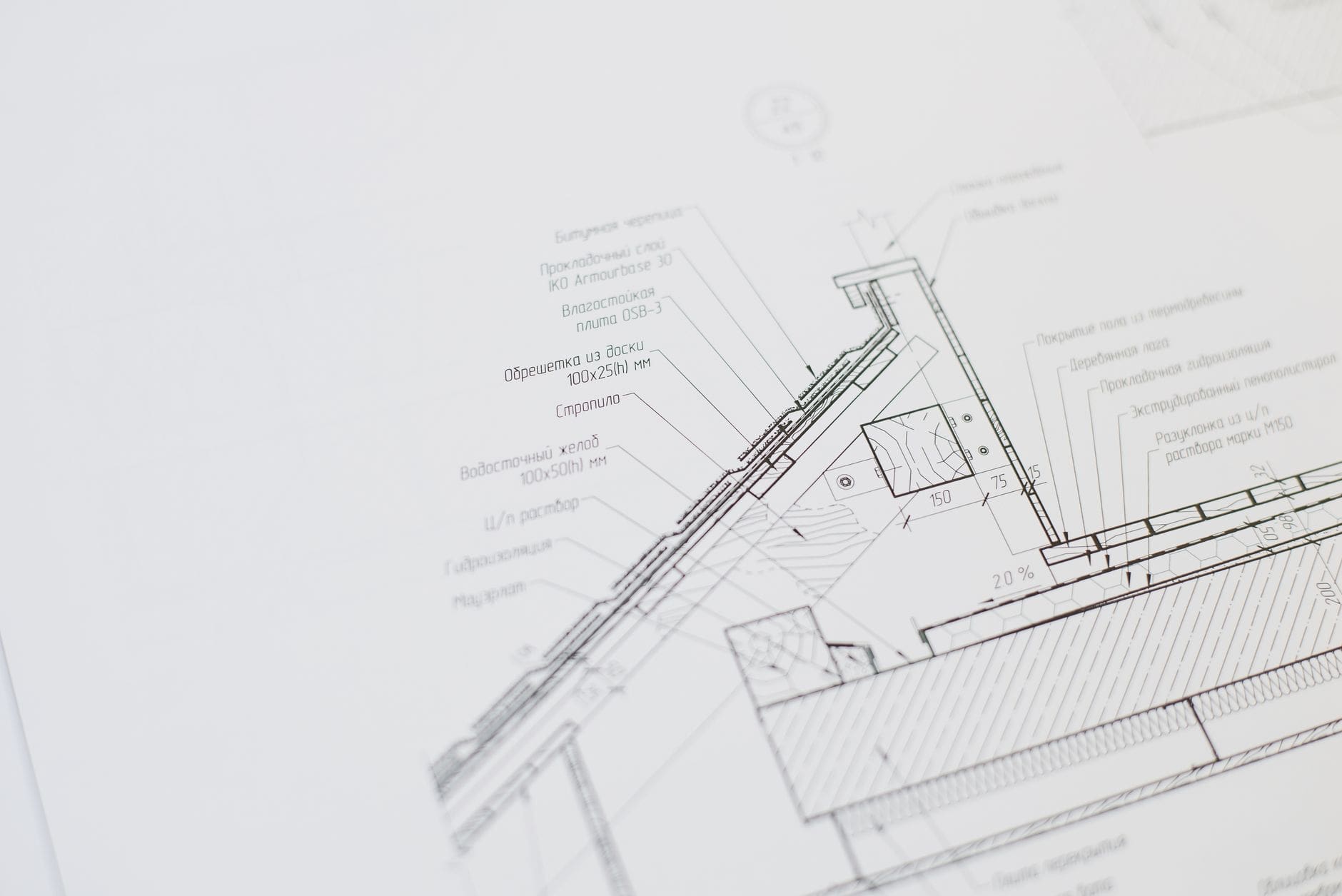
A lighting diagram is the visual component of the plan. It’s a top-down floor plan of the location with light positions marked, usually with standardized symbols. A circle with a line through it means a standard fresnel. A rectangle might represent a softbox. Some diagrams use color coding for different fixture types or departments.
You don’t need fancy software. A lot of working gaffers sketch diagrams by hand on graph paper during scouts. But digital tools make sharing easier. Vectorworks Spotlight is the industry standard for larger productions. For something more accessible, Photoshop or even Canva works fine for lower-budget work. The point isn’t which app you use. The point is that your electric crew can look at the diagram and immediately understand where everything goes.
A useful diagram includes rough dimensions, camera position, talent marks if known, and every fixture the gaffer plans to use. It doesn’t have to be perfect. It has to be readable.

Power Math Is Part of the Plan
This is where a lot of newer gaffers fall short. A lighting plan isn’t just about what looks good. It has to account for what’s actually possible given the power available at a location.
Standard US household circuits run 15 or 20 amps at 120 volts. That’s roughly 1800 to 2400 watts per circuit. A single 2K tungsten unit already pushes that to the limit. If you’re running multiple units, you’re pulling from multiple circuits, and you need to map which fixtures go on which breakers before you ever plug anything in.
On location, the gaffer and best boy electric do a power survey during prep. They identify the service size, the panel layout, and any shared loads. On bigger shoots, they’ll bring in a generator, typically a 100A or 200A genny from a rental house, and run their own distro. On smaller shoots, they’re working with whatever the building has.
Getting this wrong on the day is a real problem. Tripped breakers, blown fuses, and in worst cases, actual fire hazards. Good film lighting plans prevent all of that because someone did the math during prep. The IBEW and local union contracts both have specific protocols around electrical safety on set, and they exist for good reason.
Why This Matters for Every Budget Level
Here’s the honest truth. The bigger your budget, the more formal this process gets. On a studio feature, the gaffer might submit a multi-page lighting package request to the rental house weeks in advance. On a $5,000 short, the “plan” might be a notes app entry and a few sketches on a napkin.
But the logic holds at any budget. If you’re shooting with a single Aputure 600D and a couple of Godox panels, you still benefit from knowing in advance which scene needs which setup and in what order. It affects your call times, your load-in order, and how long you’re paying people to stand around while you figure something out.
Even if you’re a one-person crew doing a doc-style shoot, thinking through your lighting approach scene by scene before you shoot is a version of a film lighting plan. You’re just the DP and the gaffer and the best boy. So the planning still needs to happen, it just happens in your head and maybe in your shot list instead of a formal document.
If you’re looking to grow your skills in this area, there are good structured resources out there. The Desktop Documentary Courses cover production planning in a way that’s actually practical for working on real shoots.
And if you’re building a career on the electric or camera side, check out the crew directory to find working professionals in your market, or browse film production job listings to see what gigs are actually out there and what skills they’re asking for.


Key Takeaways
A film lighting plan translates creative intent into an executable, safe, on-schedule setup before the shoot begins.
- A gaffer’s script is a marked-up breakdown or shooting script showing scene-by-scene lighting decisions, not a separate formal document.
- The DP leads the visual approach; the gaffer turns it into a specific, practical fixture list with rigging notes and power requirements.
- Lighting diagrams can be hand-sketched or digital. The standard for larger productions is Vectorworks Spotlight, but readability matters more than software.
- Power math is non-negotiable. Know your available service, calculate your load, and map fixtures to circuits before you plug anything in.
- Even on low-budget shoots, thinking through your lighting scene by scene in advance saves time and reduces on-set improvisation.
The prep work isn’t glamorous, but it’s what separates a smooth shooting day from a chaotic one.
FAQs
What’s the difference between a lighting plan and a shot list?
A shot list covers camera angles, lens choices, and the order of setups. A lighting plan covers fixture positions, power requirements, and rigging for each setup. They’re complementary documents that inform each other, but they’re built by different departments. The DP typically owns both conversations but the gaffer builds the lighting side.
Does a gaffer always create a lighting diagram for every shoot?
Not always in a formal sense. On big productions, yes, detailed diagrams get submitted to rental houses and used to brief the electric crew. On smaller shoots, a gaffer might work from annotated notes and verbal briefings. But some version of a scene-by-scene lighting plan, even informal, is standard practice at any professional level.
What software do gaffers actually use to create lighting plans?
Vectorworks Spotlight is the professional standard on larger productions. Lightwright is widely used for managing fixture lists and crew calls on union shows. For lower-budget work, many gaffers use hand sketches, Photoshop, or even Google Slides to share diagrams with the crew.
How early in pre-production should the lighting plan be built?
Ideally, the DP and gaffer start talking as soon as locations are locked. The more complex the lighting, the earlier you need to start. If you’re rigging practicals, ordering special fixtures, or working with a generator, you need lead time. Last-minute planning on a complex shoot almost always costs money.
Can a beginning DP or gaffer create a useful lighting plan without formal training?
Yes, and they should. Start simple: list each scene, describe the light quality you want, note which fixtures you have available, and sketch a rough top-down diagram. You’ll make mistakes early on, but you’ll also learn faster than someone who just improvises every setup. There are solid resources in the filmmaking articles section that can help you build this skill set.
Ready To Build Your First Lighting Plan Before Your Next Shoot?
Start with your script breakdown, pick three scenes with different lighting needs, and write down what you want each one to feel like and which fixtures could get you there. That’s the core of the process. The diagrams, power math, and rental paperwork all build from that first creative decision. Do it before the shoot, not during it.