Disclosure: This article contains affiliate links. If you make a purchase through one of these links, FilmLocal may earn a commission at no extra cost to you.
What Experimental Cinematography Techniques Actually Are (And Aren’t)
Experimental cinematography isn’t about breaking your camera or shooting drunk. It’s a deliberate practice of using the tools you already have in ways that prioritize emotional truth over technical perfection. The techniques have names. They have histories. And they work.
The confusion happens because “experimental” sounds untethered. But watch Emmanuel Lubezki shooting Children of Men with available light and practical sources, or Robby Müller’s work on Paris, Texas where he let the Texas sun blow out the frame into near-white. Those weren’t accidents. They were choices made with full technical understanding, then pushed deliberately past the conventional threshold.
So before you start, get your fundamentals solid. Know what a “correct” exposure looks like before you choose to destroy it. Know where a rule comes from before you decide it doesn’t apply to your shot. That foundation is what separates intentional experimental work from footage that just looks broken.
In-Camera Optical Distortion: Your Lens Is a Filter
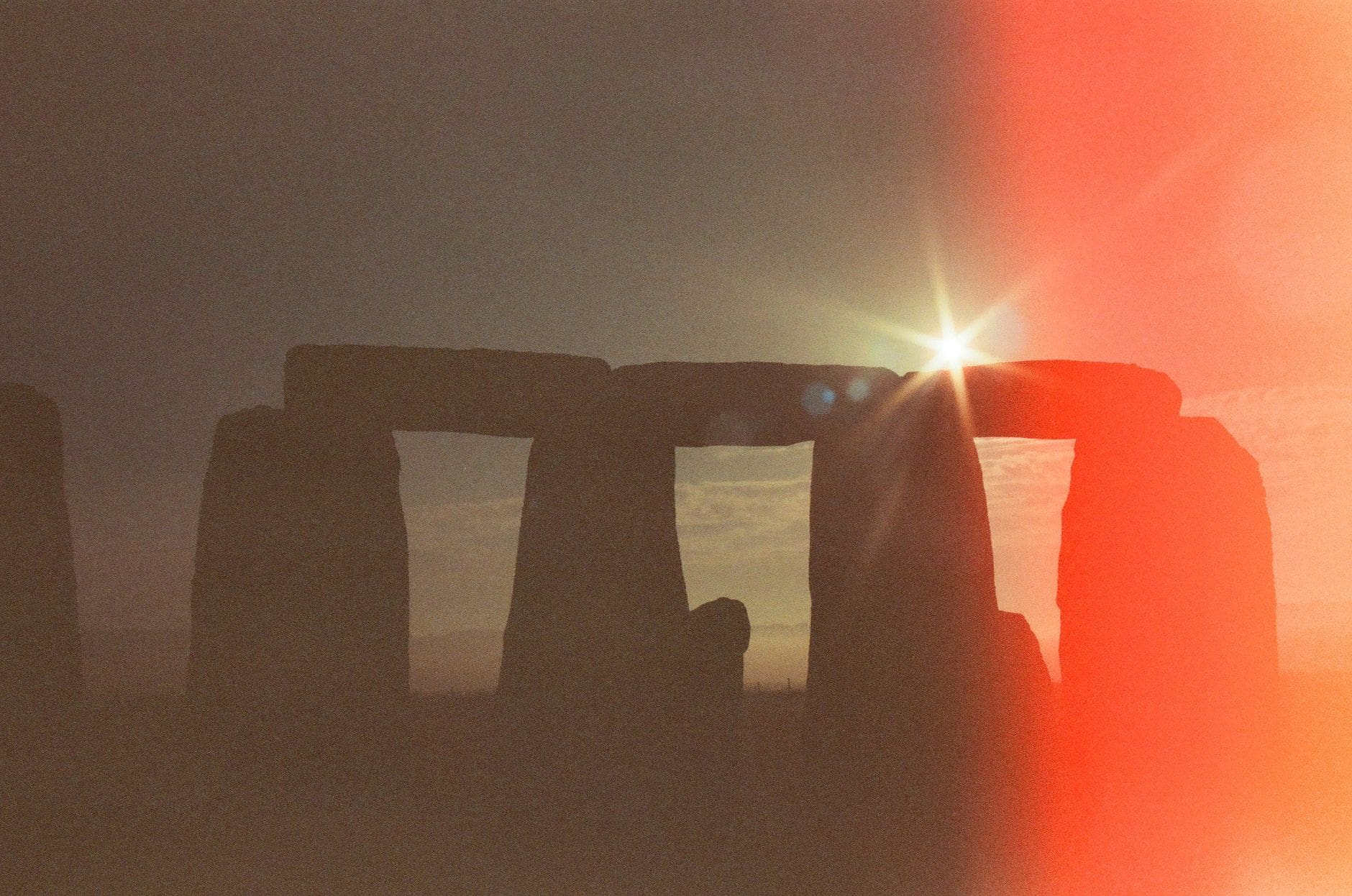
Most DPs spend money chasing optical cleanliness. Sharp corners. No aberration. Controlled flare. But some of the most distinctive experimental cinematography techniques work in the opposite direction, using optical imperfection as a storytelling tool.
Stretch a piece of pantyhose over the front element. Smear a thin ring of Vaseline on a UV filter and keep the center clean. Shoot through a cracked piece of glass propped in front of the lens. None of these cost more than $3. All of them produce looks that no plugin can reliably reproduce in post because the light is actually interacting with a physical material before it hits your sensor.
Anamorphic lens flares are in this category too. The horizontal streak you get from an anamorphic element, like a Lomo Anamorphic or even an affordable SLR Magic Anamorphot adapter, doesn’t just look cinematic. It tells the audience something about the brightness and directionality of the light in your frame. It’s information. Use it intentionally or don’t use it at all.
If you’re sourcing glass or adapters, Adorama carries a wide range of vintage and modern optics worth exploring for this kind of work.
Frame Rate Manipulation Beyond Slow Motion
Everyone knows about overcranking for slow motion. That’s table stakes. The experimental territory is stranger and more interesting.
Undercranking, shooting at 12 or 16 fps and playing back at 24, creates a slightly mechanical, unsettled movement. It was used heavily in early horror because it’s subtly wrong in a way the audience feels before they can identify it. Darren Aronofsky’s cinematographer Matthew Libatique used speed ramping and undercranking in Requiem for a Dream to make ordinary actions feel compulsive and frantic. The technique cost nothing extra. The decision to use it was everything.
Timelapse pulled into narrative footage is another underused move. Shoot a sky or a crowd on timelapse, then cut it in at real time. The contrast between the fluid movement of your actors and the accelerated world around them can feel isolating or overwhelming depending on what else you’re building in the scene.
And if you’re shooting on a camera that allows it, try shooting at 23.976 but intentionally introducing motion blur by opening your shutter angle to 270 or 360 degrees on handheld material. The image gets loose and impressionistic. Used sparingly, it signals psychological instability or memory without a single line of dialogue.
Practical Light as the Primary Source
One of the most consistently effective experimental cinematography techniques is also one of the simplest. Commit fully to practical sources and don’t supplement them with anything.
A single bare tungsten bulb at 60 watts in a room will give you deep shadows, warm highlights, and a contrast ratio your eye has to work hard to read. That difficulty is valuable. It makes the audience lean in. Roger Deakins has talked about this in interviews, about the way limiting your source forces both the camera and the audience into a more active relationship with the image.
The key word is “commit.” Most people light a scene with practicals and then add a soft kicker or a bounce card to bring the shadows up. That’s fine for conventional work. But if you want the experimental version, pull the fill entirely. Let the shadows be black. Let the highlights clip. Shoot at a higher ISO and accept the grain as part of the texture.
Neon signs, TV screens, computer monitors, candles. All of these sources flicker, shift color, and behave inconsistently. That inconsistency is the point. If you’re building a world that feels unstable or alive, let the light behave that way.
Camera Movement Without a Stabilizer
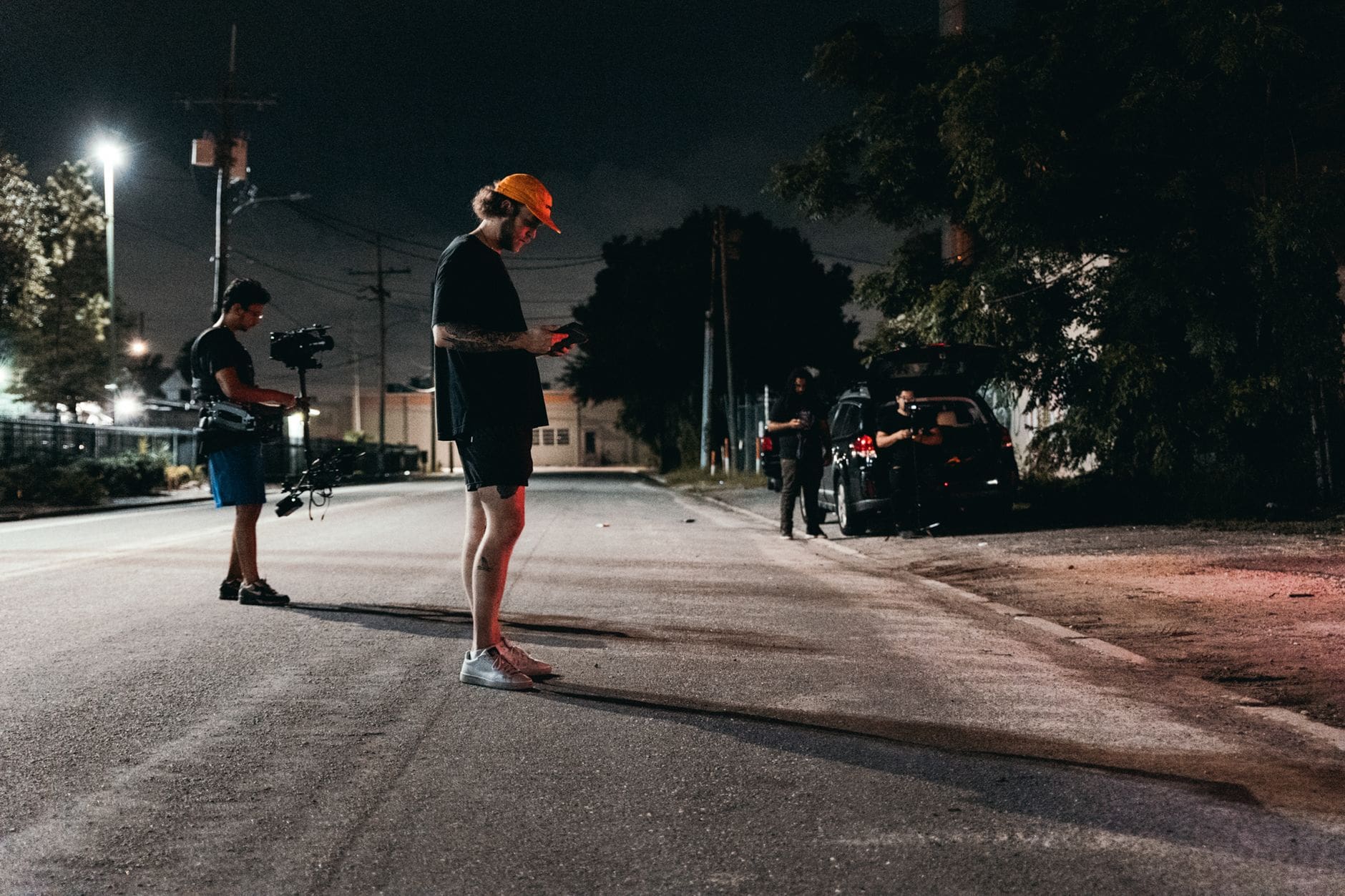
Handheld is not experimental. Handheld is now the default. But movement without any stabilization at all, no rig, no shoulder mount, just the camera in your hands, starts to produce something more interesting.
Hold the camera at hip level and walk. Hold it above your head and look straight down at a face. Mount it with a clamp to something that moves, a car door, a shopping cart, a bicycle. The movement you get from these approaches has specificity. It doesn’t look like a camera operator trying to be smooth. It looks like the camera belongs to that object or that environment.
Cassavetes built entire sequences this way. So did the Dogme 95 movement in the 90s, which codified handheld and natural light into a formal ruleset. Their approach was ideological, but the visual results were genuinely distinct from anything else being made at the time.
The thing to watch is motivation. Random camera movement reads as sloppy. Motivated camera movement, where the lens moves because the story demands it, reads as urgent, intimate, or unstable, whatever you intend. Know why the camera is moving on every single shot.
Color Before the Grade: In-Camera Choices That Stick
Post-production color grading has made it easy to defer every decision until after the shoot. That’s a trap. The most distinctive looks in experimental film work come from choices made before the shutter opens.
White balance is the obvious one. Set your white balance to tungsten when you’re shooting under daylight. Everything goes blue-green. Set it to daylight under sodium vapor streetlights and you get a sickly orange-yellow that no LUT replicates accurately. These aren’t errors. They’re palette choices.
Shoot on a log profile and then deliberately choose not to grade. Log footage on its own is flat and desaturated with lifted blacks. Some filmmakers use this look intentionally, particularly in documentary and essay film work, because it reads as raw and unmediated.
Cross-processing, originally a film technique where slide film was developed in negative chemistry, can be approximated digitally but the real thing still looks different. If you’re shooting any 35mm or Super 8, Kodak’s motion picture film stocks are still available and the cross-process results on Ektachrome are genuinely unpredictable in ways software isn’t.
For more ideas on building your filmmaking practice, browse the filmmaking articles on FilmLocal. And if you’re ready to put these skills to work professionally, check the film production job listings to see what’s hiring in your market.


Key Takeaways
Experimental cinematography techniques work best when they’re built on a solid technical foundation and applied with clear intent, not randomly.
- Optical distortion from physical materials (Vaseline, pantyhose, cracked glass) produces results that post-production plugins can’t accurately replicate.
- Undercranking at 12-16 fps creates a subtly wrong feeling that audiences register emotionally before they can identify it intellectually.
- Committing fully to practical sources with no fill light creates contrast and texture that conventional lighting setups can’t match.
- Camera movement without stabilization works only when it’s motivated. Know exactly why the camera is moving on every shot before you roll.
- In-camera color decisions made through white balance choice and shooting format produce looks that post-grade work can’t fully replicate after the fact.
Every technique on this list can be tested on your next shoot with gear you already own. Start with one, push it past the comfortable threshold, and see what you get.
FAQs
Do experimental cinematography techniques work in commercial or client-facing projects?
Yes, but selectively. Optical distortion and motivated handheld work well in music videos, branded content, and indie projects. Clients with conservative expectations need to see references upfront. Show them examples of the technique before the shoot, not after.
What camera settings should I start with when trying in-camera distortion techniques?
Shoot in a log profile so you have latitude to correct if something goes too far. Start with a medium aperture around f/4 to f/5.6 so depth of field isn’t fighting the distortion effect. Test on a still subject first, then move to motion.
Is shooting on film necessary to get an experimental look?
Not at all. Most of these techniques work on any digital camera. Film adds a specific grain structure and highlight rolloff that’s hard to reproduce digitally, but undercranking, practical lighting, and optical distortion all translate directly to digital production.
How do I explain experimental visual choices to a director or producer who’s hesitant?
Reference existing films that use the technique. Saying “I want to try something like what Lubezki did in Children of Men with the available light” lands better than describing the technique in abstract terms. Show don’t describe, even in pre-production conversations.
Where can I find crew who are open to experimental approaches?
The crew directory on FilmLocal lets you browse by specialty and experience level. Look for gaffers and camera operators who list independent or short film credits. Those backgrounds tend to indicate flexibility with non-conventional approaches. You can also check the actor and cast directory for performers comfortable with less structured, more exploratory set environments.
Ready To Test One Of These Techniques On Your Next Shoot?
Pick one technique from this list, just one, and apply it with full commitment on your next project. Not as a backup option, as the primary visual choice for at least one scene or sequence. That’s how you figure out whether something actually serves the work or just looks interesting in theory. The only way to build a real visual vocabulary is to put these tools under real production pressure and see what holds up.