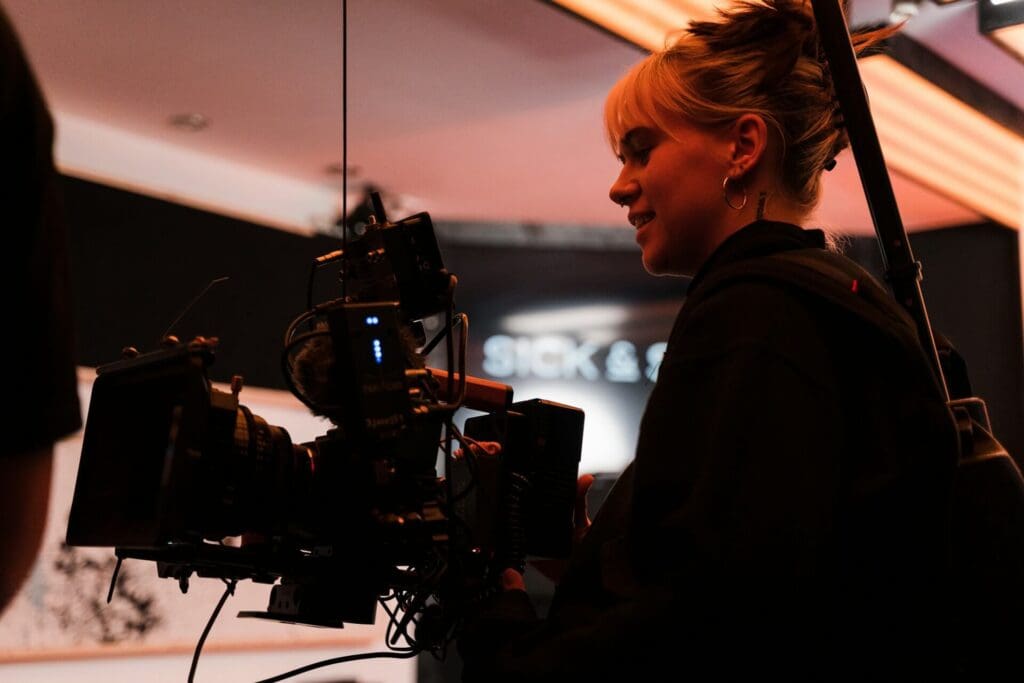
What a Production Sound Mixer Actually Does on Set
The production sound mixer is responsible for capturing clean, usable audio during the shoot. That means recording dialogue, managing a team of one to three people, choosing and placing microphones, setting levels on a cart or bag rig, and making real-time decisions about sound quality while everything around you is moving fast and the director is behind schedule.
You’re not mixing in a quiet studio. You’re on a location with generators humming, planes overhead, HVAC systems that nobody told you about, and a costume department that just dressed your lead actor in a leather jacket. Every one of those is your problem to solve before the camera rolls.
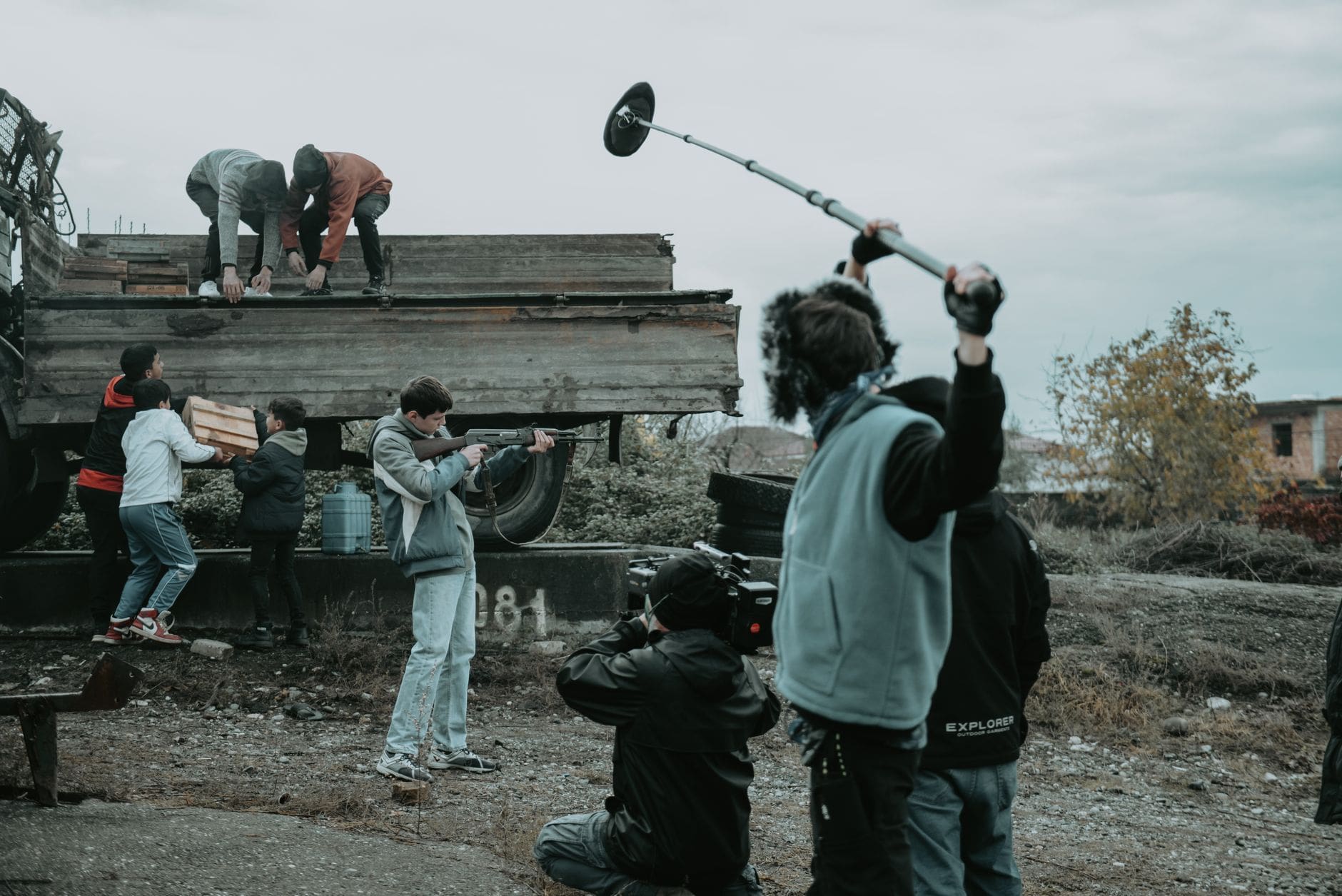
The sound mixer leads the audio department. Your two core crew members are the boom operator, who handles the boom pole and overhead mic, and the utility sound technician, sometimes called the sound utility or cable person, who wires talent with lavs and handles logistics. On smaller productions you might be a one-person department. On a Netflix feature, you might have four people under you.
The Gear a Production Sound Mixer Uses
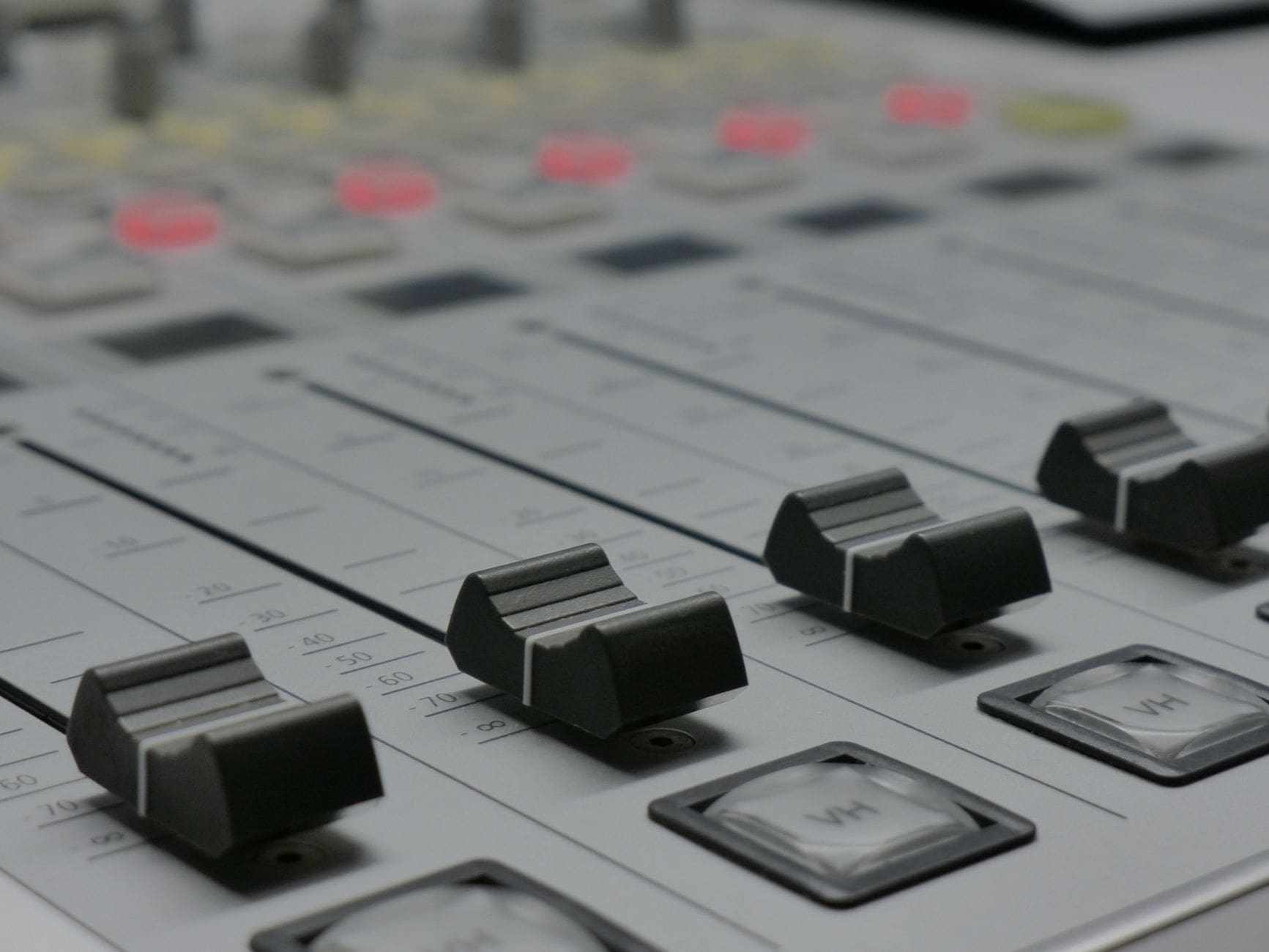
Knowing the gear is non-negotiable. The industry standard recorders right now are the Sound Devices 888 and the Scorpio for cart work, and the MixPre series or 833 for bag setups on run-and-gun shoots. Zaxcom is the other major player, popular for its built-in timecode and wireless recording in the transmitters.
For wireless systems, you’ll work with Lectrosonics, Zaxcom, or Shure Axient Digital. Entry-level productions sometimes use Sennheiser G4s, which are fine in a pinch but not what you want on a union drama. Boom mics are almost always Schoeps MK41 or Sennheiser MKH 50 for interiors, and MKH 416 for exteriors.
Most experienced mixers own their kit. A professional bag rig costs $15,000 to $25,000 to put together properly. A full cart package for episodic work can run $60,000 or more. That gear rental fee, called a box rental or kit rental, is a real and important part of your income. On a union shoot, kit rentals can add $250 to $600 per day on top of your rate.
What a Production Sound Mixer Earns
Pay varies a lot depending on budget tier, union status, and market. Here’s the honest breakdown.
On an IATSE union production, production sound mixers typically earn $50 to $75 per hour, sometimes more on studio features or high-budget episodic. In major markets like Los Angeles or New York, a working mixer on a mid-budget streaming series might gross $120,000 to $180,000 in a solid year, including kit rental. In smaller markets or on non-union indie work, day rates might be $400 to $700 flat, which is a big step down.
The kit rental changes the math significantly. If you own your gear and rent it at $350 per day, a 60-day shoot adds $21,000 on top of your labor rate. That’s why owning your package matters long-term, even though the upfront cost is steep.
Reality check: most sound mixers don’t hit those union numbers in their first five years. You’ll spend time as a boom op or utility, building credits and relationships, before you’re getting called for mixer slots on real budgets.
Skills You Actually Need
Technical knowledge is table stakes. But what separates a great mixer from a competent one is communication and set awareness.
You need to know when to call cut on a take because of a sound problem, and you need to know when to let it go because the performance was too good to lose. That’s a judgment call, and you’ll get it wrong sometimes. The goal is to get it right more often as you work more.
You also need to understand the politics of a set. The director of photography is protective of their lighting. You can’t always boom from the ideal position. You have to find solutions that get you clean audio without blowing up someone else’s setup. Diplomacy is a real job skill here.
On the technical side, you should understand radio frequency management, timecode sync, metadata workflows, and how your audio feeds into post. Learn how productions hand off to the post-production sound team. The better you understand what happens downstream, the better your decisions are on set.
How to Break Into Audio for Film
Start as a PA or utility sound tech. The boom operator and utility path is the real entry point. You’re not going to jump straight into mixing features. Nobody does.
Work student films, low-budget shorts, corporate video, anything with a set and a schedule. You’re building two things: skills and a reputation. The reputation matters more. This industry runs on referrals, and your first five years are almost entirely about who decides to call you back.
Build a simple kit early. A used Sound Devices MixPre-6 II, a Sennheiser MKH 416, and a basic lav kit gets you into the room on low-budget work. It doesn’t have to be perfect. It has to be functional and reliable.
Get on set lists. The crew directory on FilmLocal is a practical place to get your name in front of productions that are actively hiring. Browse film production job listings regularly. Entry-level audio jobs come up on short-turnaround indie shoots, and those are exactly where you want to be building experience. If you’re just starting out, the film industry employment starter pack is a solid place to get your bearings on how production hiring actually works.
Consider your path to IATSE. Joining the union, specifically IATSE Local 695 in LA or the relevant local in your region, opens the door to the rates and working conditions that make this a sustainable career. You typically need to work a certain number of union days as a non-member before you qualify. The threshold changes, so check directly with your local.



Key Takeaways
The production sound mixer role is one of the most technically demanding and financially rewarding crew positions in film, but it’s a career you build from the bottom up through real set experience.
- Start as a boom operator or utility sound tech, not as a mixer. Credits and relationships come first.
- Own your gear eventually. Kit rental income is a real and significant part of a mixer’s annual earnings.
- Union rates on episodic and features range from $50 to $75 per hour plus box rental. Non-union work pays significantly less.
- Learn Sound Devices, Lectrosonics, and Zaxcom. Those three brands cover the majority of professional sets in North America.
- Set communication and political awareness are just as important as technical skills. The best mixers are problem-solvers who work well with other department heads.
Get on set, own your mistakes early, and build a reputation for reliability. That’s the actual path.
FAQs
Do I need a film school degree to become a production sound mixer?
No. Most working mixers didn’t study audio in an academic program. What matters is hands-on experience and knowledge of the gear. That said, audio engineering programs or dedicated film sound courses can accelerate your technical foundation if you’re starting from zero.
What’s the difference between a production sound mixer and a re-recording mixer?
A production sound mixer captures audio on set during filming. A re-recording mixer works in post-production, blending dialogue, music, and sound effects in a mixing stage. They’re separate roles with different skill sets. Many people specialize in one or the other for their entire career.
How long does it take to become a working production sound mixer?
Realistically, five to eight years if you’re working consistently. You’ll spend the early years as a boom op or utility, building credits and buying gear incrementally. Some people get to mixing slots faster in smaller markets. Others take longer in competitive markets like LA.
Do production sound mixers need to own their own equipment?
Not to get started, but yes to work at a professional level long-term. Productions hiring for mid-budget and above almost always expect the mixer to bring a package. Your kit rental fee is negotiated as part of your deal. Without your own gear, you’re competing for a narrower pool of jobs.
Is a production sound mixer the same as a sound designer?
No. Sound design is a post-production discipline focused on creating and editing sound effects, atmospheres, and the overall sonic texture of a finished film. The production sound mixer is on set capturing live audio. The two roles occasionally overlap in understanding, but they’re distinct jobs at different stages of production.
Ready To Find Your First Production Sound Mixer Or Audio PA Job?
Audio is one of the few departments where a clear technical skill set, a modest starter kit, and a reputation for reliability can take you from zero to a full-time career in under a decade. The entry point is boom work and utility gigs, not mixing chairs. Get those credits, learn the gear inside out, and start putting your name in front of productions that are actively hiring.