What Is a Video Editor in the Film Industry? Roles, Skills, Career Path, and Pay
The most honest form of filmmaking is to make a film for yourself.
-Peter Jackson
What Is a Video Editor in the Film Industry? Roles, Skills, Career Path, and Pay
A video editor is the person who turns raw footage into a finished story. In the film industry, editors shape the pace, emotion, clarity, and meaning of a project by choosing what the audience sees and hears, and when. They work closely with directors and producers to assemble scenes, tighten performances, build rhythm, and make sure the final cut delivers the intended experience.
If you have ever watched a scene and felt tension rising, laughed at the perfect comedic beat, or got emotional at a quiet moment, a big part of that is editing.
🎬 Learn Filmmaking from Industry Pros
Get access to free filmmaking courses, expert resources, and top training programs designed to take your skills to the next level.
By signing up, you agree to receive emails from FilmLocal. You may also receive relevant offers from trusted partners. Opt-out anytime. Privacy Policy
Editors take a pile of footage and build it into something watchable, then powerful.
Typical responsibilities include:
Reviewing and organizing footage (dailies)
Syncing audio and video
Building an assembly cut, then a rough cut, then a fine cut
Choosing the best takes and performances
Shaping pacing and comedic timing
Creating continuity and clarity between shots
Working with temporary music and sound effects (temp)
Collaborating on notes with the director and producers
Preparing timelines and exports for sound, color, VFX, and final delivery
In many productions, the editor is not just a technician. They are a storyteller and problem solver. They fix what did not work on set, elevate what did, and often find the film inside the footage.
What kinds of editors exist in film and TV?
In the industry, “video editor” can mean a few different roles depending on the project size and format.
Feature film editor
Works with the director to shape the full story over months. The workflow is heavy on story structure, performance, pacing, and collaboration across departments like sound, music, and color.
TV editor
Often works faster than features, with strict deadlines and established style rules. Editors may cut individual episodes, scenes, or specific sequences depending on the show.
Trailer editor
Cuts marketing trailers and teasers. This role is its own craft. It is not about telling the full story, it is about selling the story in 60 to 150 seconds.
Documentary editor
Builds a story from interviews, vérité footage, archival, and narration. Documentary editing can include writing, producing, and story construction inside the edit.
Commercial and branded content editor
Works with agencies or brands. Turnaround is fast. Precision and polish are everything, and versions are constant.
Social editor
Cuts short form content for platforms. This role is often about speed, trends, captions, vertical formatting, and high output.
🎥 Need an Edge Securing Your Film Grant?
Don’t miss out! Get funding alerts and expert guidance to maximize your success. Sign up now before your next application.
By signing up, you agree to receive emails from FilmLocal. You may also receive relevant offers from trusted partners. Opt-out anytime. Privacy Policy
Editor vs. Assistant Editor: What is the Difference?
A lot of people confuse these roles, and it matters because assistant editing is the most common entry point.
Assistant Editor (AE)
The AE is the edit department’s organizer and technical backbone. They keep the project running smoothly and protect the editor’s time.
Common AE tasks:
Ingesting and organizing footage
Syncing dailies and audio
Creating proxies and managing media
Labeling, grouping, and building bins
Maintaining project structure and backups
Prepping exports for review
Conforming timelines for online finishing
Deliverables and version tracking
Editor
The editor focuses on story, performance, pacing, emotion, and clarity. They make the choices that define the final viewing experience.
In smaller productions, one person can do both. In larger productions, they are separate roles with different responsibilities.
What Skills Make a Great Film Editor?
The best editors have a mix of creative judgment and technical fluency.
Story instincts
Editors need to understand:
character motivation
emotional beats
scene objectives
tension and release
rhythm and pacing
Taste and restraint
Knowing what to remove is often more important than knowing what to add. Good editing is invisible when it needs to be, and bold when it should be.
Collaboration
Editors take notes constantly. You have to know how to interpret feedback, ask the right questions, and protect the cut while still serving the director’s vision.
Organization
Great editors are organized. You will handle thousands of clips, multiple versions, audio stems, and deliverables. Chaos kills speed.
Technical workflow knowledge
You do not need to be a full post engineer, but you should understand:
codecs and proxies
frame rates and timecode
audio sync and stems
export settings and deliverables
online vs offline workflows
More Filmmaking Articles


What Software Do Film Editors Use?
This depends on the market and the production.
Common tools:
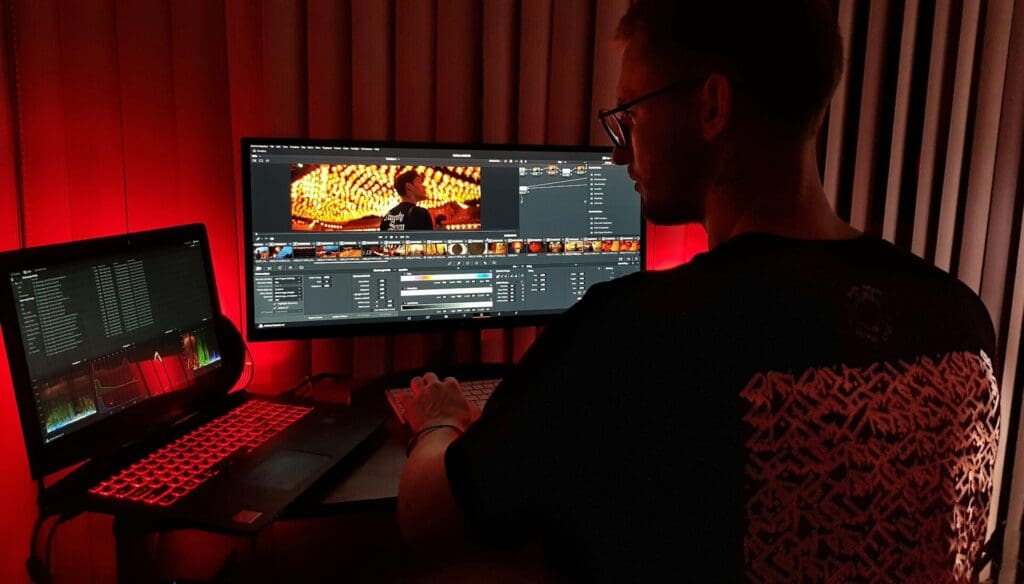
Avid Media Composer (especially film and TV)
Adobe Premiere Pro (common in indie, web, branded)
DaVinci Resolve (editing plus color, increasingly common)
Final Cut Pro (less common in studio workflows, still used in some circles)
Editors also work with:
After Effects or Motion (graphics)
Pro Tools (audio finishing, usually handled by sound teams)
Frame.io or similar review tools
Shared storage and post pipelines
You do not get hired because you know software. You get hired because you can edit. Software is the vehicle.
What Does a Video Editor's Day Look Like?
A typical day might include:
Reviewing notes from the director or producer
Watching selects and searching for better takes
Cutting a scene, then recutting it again
Updating music, sound effects, and temp mixes
Exporting versions for review
Coordinating with the AE on media, turnovers, and fixes
Delivering sequences to sound, VFX, or color when locked
During crunch, editors can work long hours, especially in TV and commercial schedules.
How Do You Become a Video Editor in the Film Industry?
There are a few realistic paths.
Path 1: Assistant editor to editor
This is the most traditional route in film and TV.
Start as a post PA, runner, or intern
Move into AE or junior AE
Cut scenes or pickups when trusted
Get promoted to editor on smaller episodes, second units, or indie features
Path 2: Indie and short films
Cut student films, shorts, music videos, and micro budget projects.
Build a reel
Build relationships with directors
Move up as their projects scale
Path 3: Content and branded work
This is the fastest route to paid editing work.
High volume editing improves speed
You learn client feedback loops fast
You can transition into film if you build story focused samples and network into post
Most editors combine these paths.
What Should Be in an Editor Reel?
Your reel should show story instincts, not just flashy transitions.
Include:
strong scene pacing and emotional beats
clear continuity
clean audio and music choices
before and after examples if you fixed problems
short clips that prove you can hold attention
Keep it short:
60 to 120 seconds for a general reel
longer only if you are showing narrative scenes and you label them clearly
How Do Film Editors Get Hired?
In film, hiring is relationship driven.
Directors hire editors they trust
Producers hire editors who deliver under pressure
Post supervisors hire editors who understand workflows
Your goal is to be known as:
reliable
calm with feedback
organized
fast without being sloppy
good taste, good instincts
A simple strategy that works:
pick a niche for 3 to 6 months (docs, commercials, narrative shorts)
do great work
ask for referrals
stay in touch with directors and producers you like
What Does a Video Editor Get Paid?
Pay depends heavily on:
city and market
union status
format (film, TV, commercial, social)
experience level
whether the job is staff or freelance
In general:
entry level assistants often start lower but gain stability and connections
freelance editors can earn more, but income is uneven
union film and TV editing can pay very well, but the barrier to entry is higher
Is Video Editing a Good Film Career?
It can be one of the best careers in film if you like:
storytelling
solving problems
working behind the scenes
collaborating closely with directors
building projects that live forever
It can also be tough if you hate:
long hours during crunch
heavy feedback cycles
sitting for long stretches
constant versioning and exports
The upside is real: editors are essential, often respected, and highly employable across film, TV, branded, and digital work.
FAQs
No. A reel, reliability, and relationships matter more than a credential.
If you want film and TV, Avid is commonly requested. If you want indie and branded work, Premiere is everywhere. Resolve is growing fast. Pick one, get good, then add the others.
Branded content, YouTube channels, and social editing often hire faster than narrative film. Use that income to keep building narrative samples and connections.
🎥 Advance Your Filmmaking Career Today
Whether you’re a beginner or a pro, gain access to career-changing film education, exclusive courses, and mentorship opportunities with industry professionals.
By signing up, you agree to receive emails from FilmLocal. You may also receive relevant offers from trusted partners. Opt-out anytime. Privacy Policy
Ready to Become a Video Editor?
A video editor is one of the most important storytellers in the film industry, shaping raw footage into something clear, emotional, and watchable. Whether you start by cutting shorts, helping as an assistant editor, or doing fast turnaround content work, the path is the same: build strong fundamentals, stay organized, and earn trust through consistency. If you can take feedback well, deliver clean versions on time, and keep improving your story instincts with every project, you will not just find work, you will build a long term career that grows with every credit.
While you’re at it, you should check out more of FilmLocal! We have plenty of resources, and cast and crew. Not to mention a ton more useful articles. Create your FilmLocal account today and give your career the boost it deserves!