What Does a VFX Supervisor Do on a Film Production?
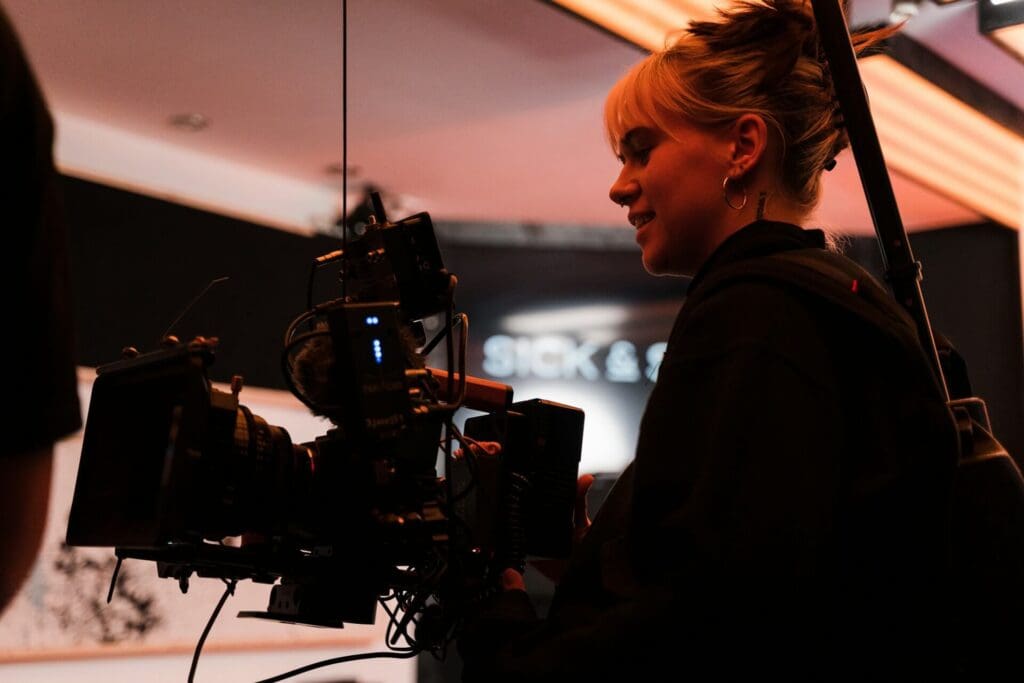
The VFX supervisor owns the visual effects process from first day of pre-production through the final grade. That’s a much wider scope than most people expect. You’re not just the person who checks renders in post. You’re on set during principal photography, talking to the director of photography about lighting conditions, placing tracking markers, approving green screen setups, and flagging anything that will create problems downstream. And then yes, you’re also deep in post, reviewing shots, giving notes to compositors, and signing off on final delivery.
The role splits roughly into three phases. Pre-production is where you build the VFX breakdown, estimate shot counts, and help the production figure out what’s achievable inside the budget. On a mid-budget feature, that might mean talking the director out of a fully digital environment and into a partial build with digital extension instead. Saving the production $400k with that single conversation is part of the job. Then during the shoot, you’re on set for any VFX-dependent day. In post, you manage the relationship with the VFX house or houses, review dailies, and keep the creative vision coherent across hundreds or sometimes thousands of individual shots.

The Skills That Actually Matter for This Role
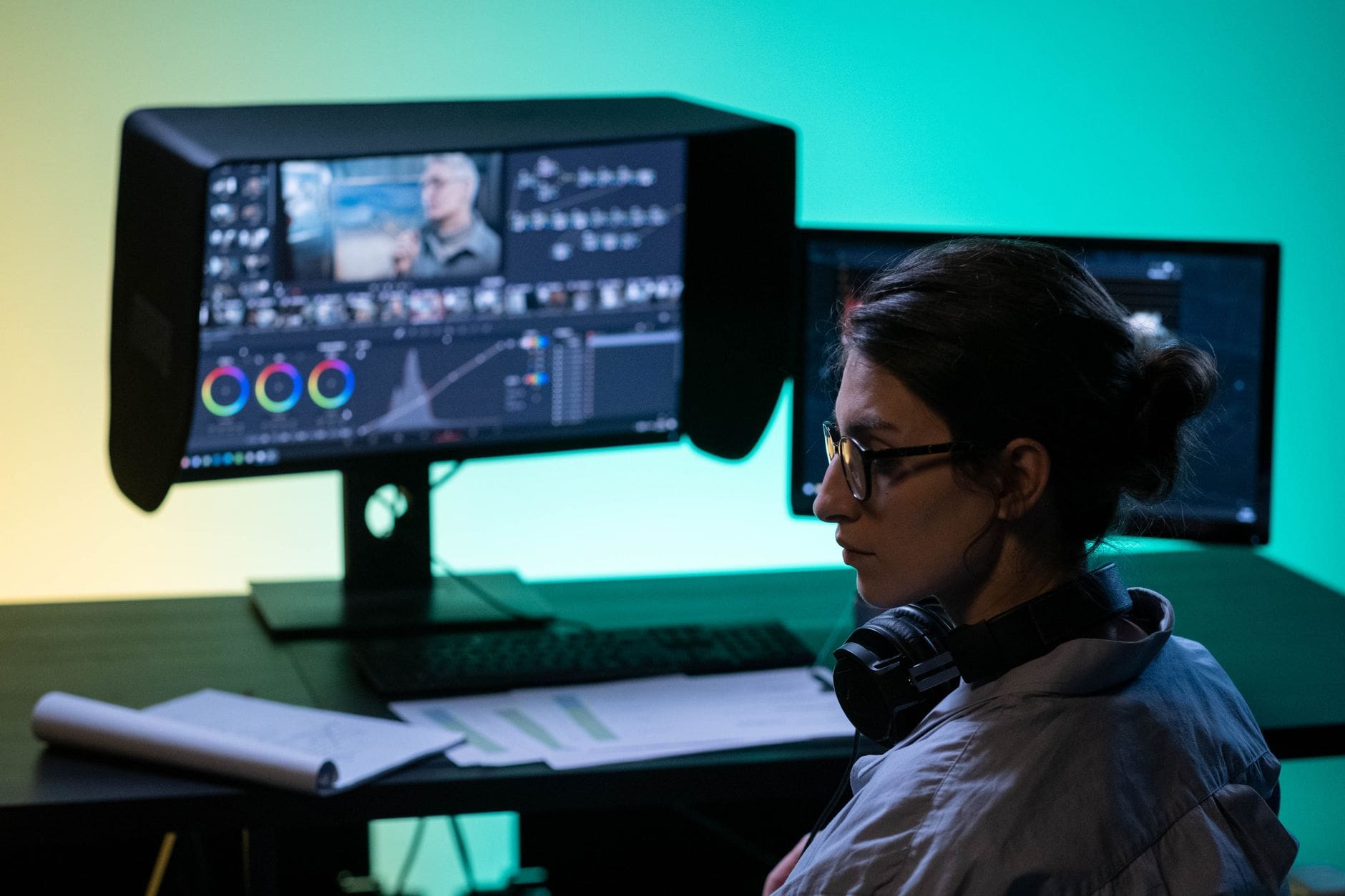
Technical fluency is non-negotiable. You need to understand compositing well enough to know when a compositor is solving a problem the hard way. Most working VFX supervisors came up through compositing in Nuke, 3D work in Houdini or Maya, or both. You don’t need to be the best artist in the room, but you need to speak the language fluently enough that your team trusts your notes.
But the soft skills are what separate supervisors who get hired repeatedly from those who don’t. Communication is everything. You’re translating between the director’s creative intent and a team of 50 artists who need technically precise direction. You’re also managing upward, telling a producer that a shot needs three more weeks when they want it in one. Being right doesn’t matter much if you can’t make that case clearly and calmly.
On-set confidence is its own skill set. You’ll be working alongside a DP who has 20 years on you, on a set where every hour costs serious money. Knowing when to push back on a lighting setup that will kill you in comp, and how to do it without creating conflict, is something you develop over time on actual sets. You can’t learn it from a course alone.
The specific software stack varies by pipeline, but Nuke dominates compositing at the professional level. SideFX Houdini is the industry standard for effects simulation. If you’re coming from a 3D background, knowing how to read and interpret a VFX breakdown in tools like Shotgrid (formerly Shotgun) is expected at most mid-size and large productions. Browse the crew directory to see how supervisors at different levels present their technical backgrounds.
What a VFX Supervisor Actually Earns
The range is wide, and it depends heavily on whether you’re working on union or non-union productions. In the US, the International Alliance of Theatrical Stage Employees (IATSE) covers many VFX workers through Local 839, and union minimums set a floor for rates. But VFX supervisors at the studio level often negotiate above scale.
On a lower-budget independent film, a VFX supervisor might earn $3,000 to $6,000 per week, sometimes less on deferred or micro-budget projects. Mid-budget features and episodic television, think a $10-30 million feature or a streaming series, typically run $6,000 to $12,000 per week. At the major studio level on a tentpole, salaries can reach $15,000 to $20,000+ per week, with experienced supervisors on franchise films sometimes negotiating flat deals well into six figures for the full engagement.
Staff VFX supervisor roles at a facility like ILM, Weta FX, or DNEG come with annual salaries. Those typically range from $120,000 to $200,000+ depending on level and location, with Vancouver and Los Angeles being the two largest North American hubs for facility work right now. Check current film production job listings to see what’s posting and what productions are actively crewing up.
How to Break Into Visual Effects and Move Toward a Supervisor Role
Nobody starts as a supervisor. The path almost always runs through a specific craft first. Compositing and CG generalist work are the most common entry points. You build shots, you get good at building shots, and eventually you’re the person other artists ask for direction. That’s when you’re ready to move into a lead role, and leads are where you start developing the skills that will eventually make you a supervisor.
Build a reel that shows problem-solving, not just pretty results. Any director or producer evaluating a supervisor-level candidate wants to understand your thinking process. If you have behind-the-scenes breakdowns of how you approached a difficult comp or a tricky set extension, include them. The finished shot matters less than your ability to explain the decisions you made.
On-set experience is something you should chase aggressively early in your career. Volunteer for student films, low-budget shorts, anything that gets you physically on a set during photography. The film industry employment starter pack is a solid starting point for understanding how to position yourself and find those early opportunities. The Visual Effects Society also runs mentorship programs and industry events that are worth joining early, both for the networking and for access to working professionals who can give honest feedback on your work.
The jump from senior artist to VFX supervisor often happens on a smaller production where someone takes a chance on you. Take that job seriously. A short film or a music video where you run the VFX end-to-end gives you something to point to and say: I owned this. That’s the proof of concept that gets you the next, bigger one.
What Makes Someone Actually Good at This Job
The best VFX supervisors I’ve talked to describe it the same way: you’re a problem-prevention system as much as a problem-solving one. The shots that never became crises are the ones you quietly fixed before the camera rolled. That requires deep production experience, not just technical expertise.
Curiosity helps. The tools evolve fast. Photorealistic neural radiance fields, AI-assisted rotoscoping, real-time rendering pipelines using Unreal Engine on LED volumes, these have all become part of the mainstream conversation in the last few years. A supervisor who stopped learning in 2018 is already behind. That doesn’t mean chasing every new tool. It means understanding what’s actually changing the work and what’s just noise.
And patience. Real patience. You’ll review the same shot twenty times. You’ll have the same conversation with a director about why a specific sky replacement reads as fake. You’ll manage an artist who’s struggling and needs more support than your schedule allows. The interpersonal stamina required for this role is underestimated by almost everyone who wants to do it.
If you’re serious about building toward this path, explore what’s available through FilmLocal membership to get your profile in front of productions that are actively hiring across the full spectrum of VFX roles. More filmmaking articles cover related roles and career paths if you’re still mapping where VFX supervision fits into the wider picture.



Key Takeaways
A VFX supervisor owns visual effects from pre-production through final delivery, and the role demands equal parts technical depth and production leadership.
- Start in a specific craft, compositing or 3D, and build toward leadership roles before expecting to supervise a full production.
- On-set experience is not optional. Get on set as early and as often as possible, even on unpaid or low-budget projects.
- Weekly rates range from around $3,000 on indie productions to $20,000+ on major studio tentpoles, with facility staff roles running $120,000 to $200,000+ annually.
- Nuke, Houdini, and Shotgrid are the tools you need to know. Being fluent in the pipeline language of professional VFX is a baseline expectation.
- Join the Visual Effects Society early. The mentorship programs and professional network are genuinely useful, especially when you’re trying to move from artist to supervisor.
The path is long but it’s clear. Build the craft, get on set, develop your leadership voice, and take the smaller supervisor credits seriously because they compound.
FAQs
What does a VFX supervisor do differently from a VFX producer?
The supervisor owns the creative and technical quality of the visual effects work. The producer manages budget, schedule, and vendor relationships. On larger productions they work closely together, but they’re distinct roles. A supervisor tells the team what a shot needs to look like. A producer figures out how to resource that within the money available.
Do you need a degree to become a VFX supervisor?
No. Most working supervisors built their way up through the craft rather than through formal education. A strong reel and demonstrable on-set experience will consistently outweigh a degree in hiring decisions. That said, programs at schools like SCAD, Gnomon, or VFS can accelerate your technical foundation if you’re starting from zero.
How long does it typically take to go from entry-level VFX to supervisor?
Realistically, 8 to 15 years for most people working at studios or facilities. The path is shorter if you’re working on independent productions where you can take on broader responsibilities earlier. There’s no fixed timeline, but skipping the lead or department head stage rarely works out well.
Is VFX supervision covered by a union?
It depends on the production and the specific role. IATSE Local 839 covers many VFX artists and can include supervisors on union productions. The terms vary by agreement and classification. If you’re working toward or currently in a supervisor role, it’s worth reviewing the current IATSE agreements directly to understand where your position falls.
What’s the difference between a VFX supervisor and a visual effects supervisor on an episodic TV show versus a feature film?
The responsibilities are the same in principle, but episodic work runs faster and often involves managing ongoing delivery against a weekly schedule rather than a single release. On a streaming series, you might be turning over VFX episodes while later episodes are still shooting. The pace is relentless compared to features, but many supervisors prefer it because the work is more continuous.
Ready To Start Building Your VFX Career And Find Your First Visual Effects Job?
Understanding what a VFX supervisor does is one thing. Building toward it is a long game that rewards people who focus on craft first, get on set consistently, and actively seek out credits where they run the VFX process end-to-end. Start with the skill, get the on-set reps, and be deliberate about moving into lead roles when the opportunity comes. The supervisor title follows the experience, not the other way around.