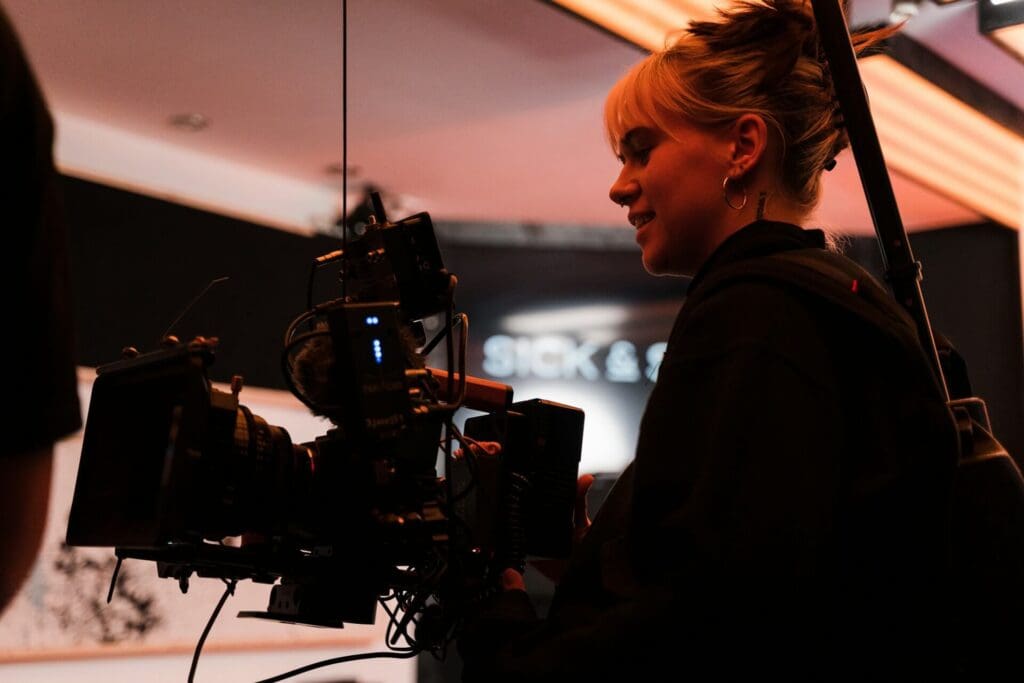
What Does a Best Boy Actually Do on Set?
The best boy is the department foreman. That’s the clearest way to put it. Every electrical or grip department has a department head, either the gaffer (electrical) or the key grip (grip). The best boy is their number two. But “number two” undersells it, because the best boy is the one actually running the day-to-day operations of the department while the gaffer or key grip is focused on the creative and technical decisions happening on set.
There are two versions of this role: best boy electric and best boy grip. They’re parallel positions in separate departments. The best boy electric reports to the gaffer. The best boy grip reports to the key grip. Same rank, different gear, different crew.
So what does a best boy do in practical terms? They hire and manage the day-playing crew. They order equipment, coordinate with the rental house, track inventory coming on and off the truck, manage the department budget, and make sure everyone knows where they need to be and what they need to do. On a union show, they’re also responsible for tracking hours, managing overtime, and making sure the department is running clean on paper.
If the gaffer is calling out what lights to use and where to put them, the best boy electric is making sure those lights showed up on the truck, that there’s enough cable to reach the hang position, and that the right person is rigging it. It’s operational. It’s logistics. It’s people management. And it’s relentless.
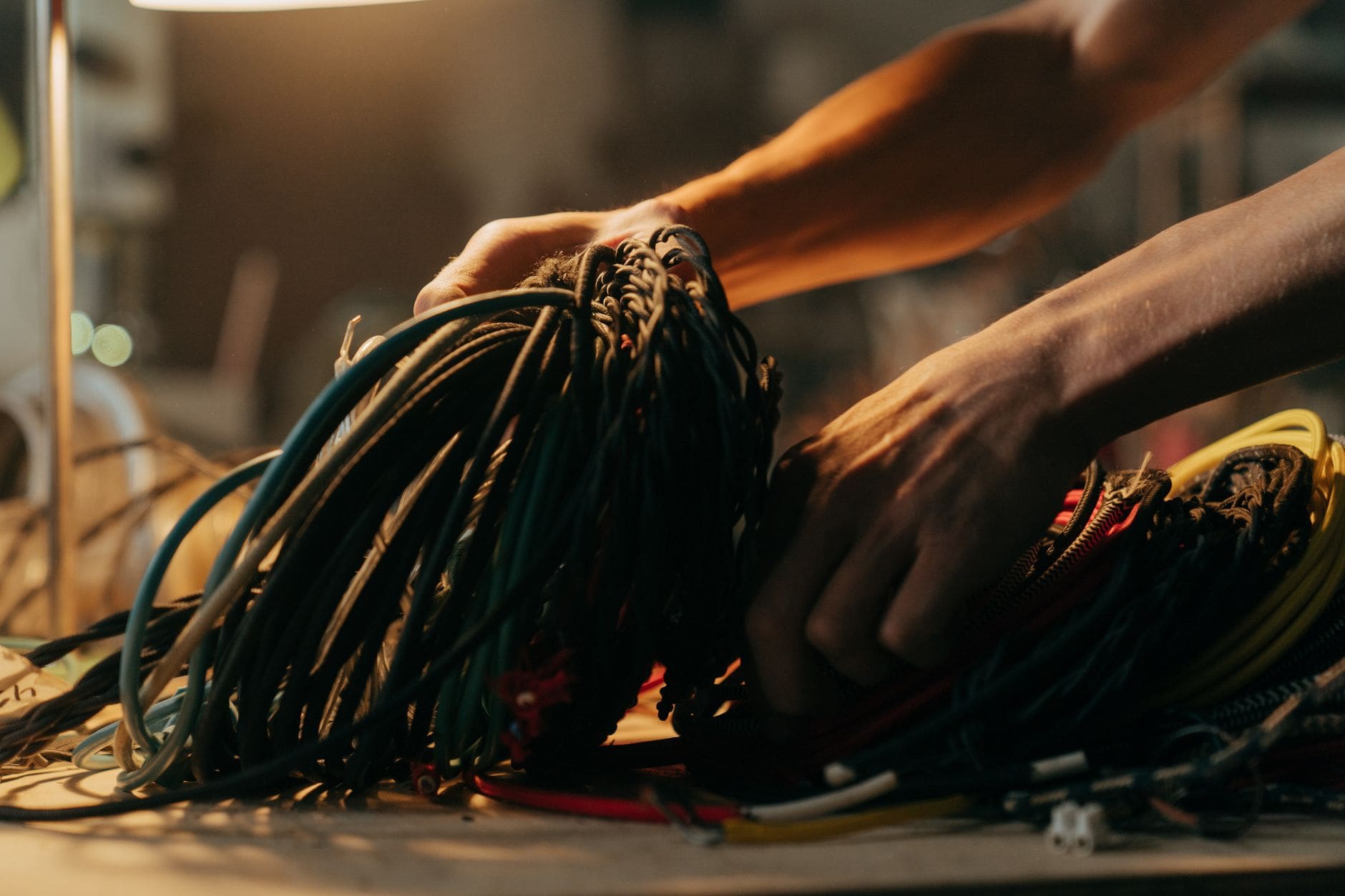
The Skills That Actually Matter for This Role
Technical knowledge is the baseline. A best boy electric needs a genuine working knowledge of power distribution, fixture types, DMX control, generators, and cable loads. A best boy grip needs to know rigging, camera support systems, track, cranes, and how to safely fly a piece of equipment overhead. You can’t supervise work you don’t understand.
But the technical stuff isn’t what makes or breaks a best boy. Organization does. Communication does. The ability to stay calm when the rental house sends the wrong ballasts the morning of day one does. You’re coordinating between the production office, the rental house, the department head, and your own crew all at the same time. If you can’t hold all of that in your head and move quickly, the job will eat you.
Specific software matters too. Most productions use Movie Magic Budgeting or Showbiz Budgeting for the department breakdown. Equipment orders go through rental houses like Panavision or regional houses depending on the market. You’ll need to read and build equipment lists in Excel or Google Sheets, communicate via department-specific walkie channels, and stay fluent in the call sheet rhythm.
People skills are underrated here. You’re the person who gets the call when a day player doesn’t show up, or when there’s a conflict between crew members. The gaffer doesn’t want to deal with that. That’s yours. Managing a team of electricians or grips, many of whom may be older or more experienced than you in certain areas, takes real situational awareness.
What Does a Best Boy Earn?
On a union production under an IATSE agreement, a best boy electric or best boy grip earns a negotiated rate that varies by local and contract type. On a basic IATSE low-budget feature, you might see rates around $35 to $45 per hour. On a full network or streaming production under a major agreement, that number climbs to $55 to $75 per hour or higher, plus kit rentals if applicable, meal penalties, turnaround guarantees, and overtime.
On non-union productions, the range is wider and less predictable. Somewhere between $250 and $500 per day is common for mid-range non-union work, but low-budget and student projects will offer much less. The real money is in the union pipeline, and most working best boys in major markets are IATSE members.
You can browse current rates and active openings through the film production job listings on FilmLocal to get a feel for what different productions are actually posting.
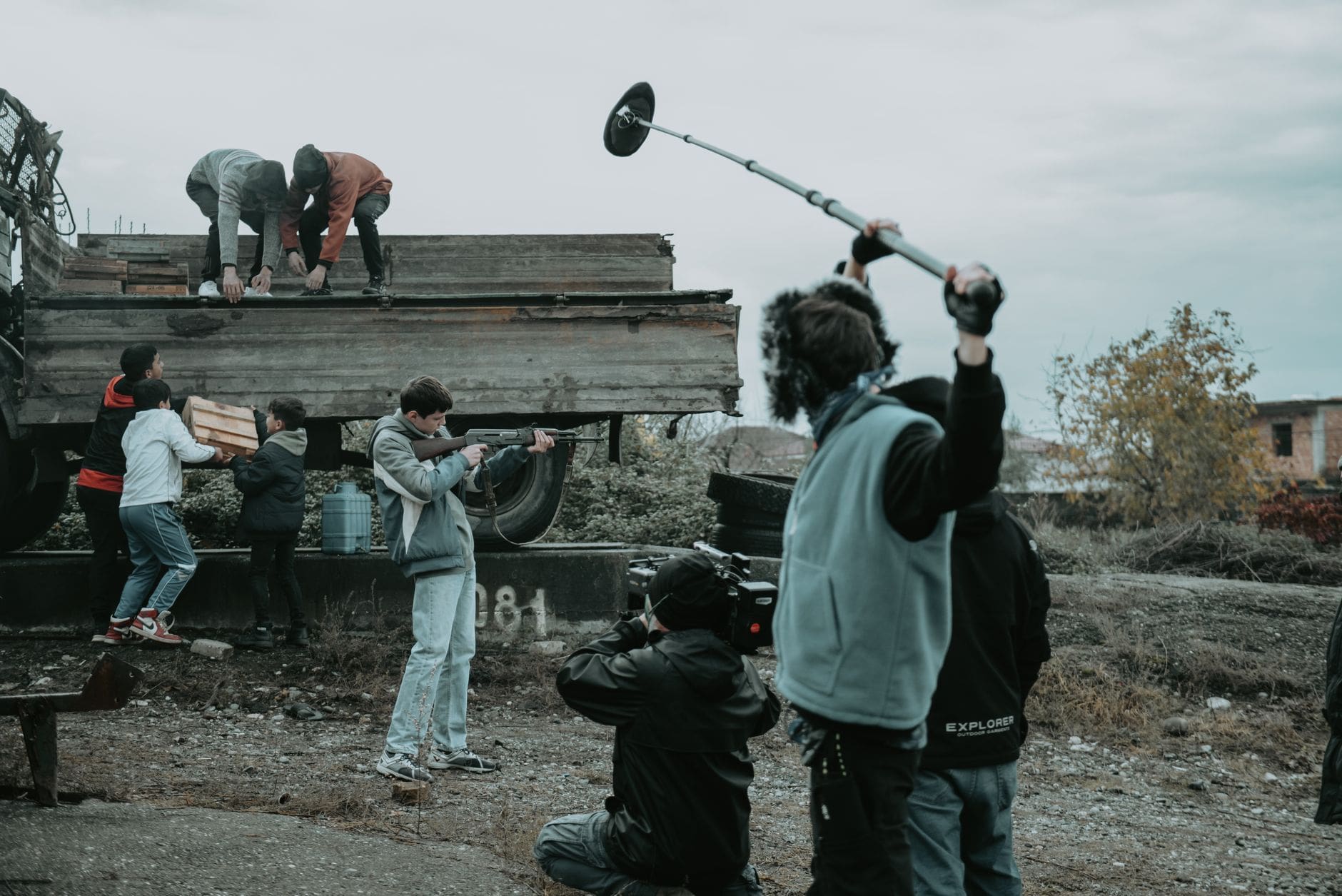
How to Break Into This Role
Nobody starts as a best boy. That’s not how it works. The path is linear: you start as a production assistant or swing, move into a departmental position as an electrician or grip, build experience, and eventually earn the trust of a gaffer or key grip who promotes you into the best boy seat.
Most people spend three to seven years working as a set electrician or grip before they’re running a department. Some move faster on smaller productions where the hierarchy is flatter. Independent films, commercials, and music videos are good places to take on more responsibility earlier, because the crew size is smaller and the department head often has to rely on one person more heavily.
The practical steps:
- Get on set in any capacity. PA work counts. Swing positions count. Just get into the rhythm of production.
- Pick your department early. Electrical or grip. You can switch, but it’s easier to go deep in one direction.
- Work with as many gaffers or key grips as you can. Each one operates differently and you’ll learn different systems.
- Learn the paperwork. Equipment lists, purchase orders, crew contracts. Most working best boys say this is what separates people who get promoted from people who stay in the middle of the pack.
- Build your network intentionally. The best boy job almost always comes from a relationship, not a cold application.
Getting your profile into a working crew directory matters more than most people think. Gaffers and key grips search for reliable people between productions. Being findable is a real advantage when you’re building up your first credits.
If you’re genuinely starting from zero, the film industry employment starter pack covers the entry-level side of this in more detail and is worth reading before you start knocking on truck doors.
Best Boy vs. Gaffer vs. Key Grip: Where This Role Fits in the Hierarchy
Here’s the chain on a standard production:
- Director of Photography (DP) sets the visual language and lighting approach
- Gaffer executes the lighting plan, manages the electrical department
- Best Boy Electric manages the crew, gear, and logistics for the electrical department
- Set Electricians and Rigging Electricians do the hands-on work
Grip runs parallel:
- Key Grip works with the DP on camera movement, rigging, and light control
- Best Boy Grip manages the grip crew and equipment
- Grips and Dolly Grips execute on set
The best boy does not usually step in for the gaffer or key grip creatively. That’s not the job. But on a long shoot, the best boy is often the one making real-time calls about what equipment to keep and what to send back, how to sequence the day’s rigging, and whether to call in an extra person tomorrow. Those are decisions with real consequences.
Some best boys eventually move up to gaffer or key grip. Others stay as best boy for years because they’re exceptional at it and the money is good and steady. Neither path is wrong.



Key Takeaways
The best boy is the operational backbone of the electrical or grip department, combining technical knowledge with crew management, logistics, and budget responsibility.
- There are two distinct roles: best boy electric (reporting to the gaffer) and best boy grip (reporting to the key grip). Same rank, entirely different departments.
- The job is more about organization and people management than raw technical skill, though you need solid technical grounding to earn the crew’s respect.
- Union rates for a best boy range from roughly $35/hour on low-budget IATSE agreements to $75/hour or more on major network and streaming productions.
- The path in is almost always through the department itself. You work as an electrician or grip first, build trust with a department head, and get promoted from within.
- Getting your credits and profile into active directories and job boards matters. Most best boy opportunities come through relationships, but being findable accelerates those connections.
If you’re serious about this path, the best move right now is to get into a department and stay consistent. The best boys who work steadily are the ones who showed up reliably for years before the title ever came their way.
FAQs
Why is the job called “best boy”?
The origin is murky and nobody agrees completely, but the term dates back to early Hollywood. The most cited explanation is that the gaffer or key grip would ask for their “best boy,” meaning their most trusted assistant, to help with a task. The informal title stuck and became standardized in the union contract language. It applies to both men and women working in the role today.
Is there a best boy on every production?
On productions with a crew large enough to have a full electrical or grip department, yes. Low-budget shorts or very small crews might not have a formal best boy because the department is just two or three people. But any production with a gaffer or key grip managing a crew of four or more will typically have a best boy in that department.
Do you need to join a union to work as a best boy?
Not on every production. Non-union work exists, especially on independent films, commercials, and smaller productions. But the highest-paying, most consistent work is on IATSE-covered productions, and those jobs require union membership. Most people work non-union to build credits and then join their local IATSE chapter once they qualify.
Can you be a best boy grip and switch to best boy electric?
It happens, but it’s not common. The two departments use different gear, different skills, and different crew networks. Switching means essentially restarting your technical credibility in the new department, which takes time. Most people pick one path early and stick with it through to department head level.
How long does it realistically take to become a best boy?
In most markets, three to seven years of consistent departmental work. Some people move faster on smaller productions where they get more responsibility early. Others take longer because they’re working intermittently or in markets with fewer productions. The timeline is less about years and more about the number of productions you’ve worked and the relationships you’ve built with department heads who can promote you.
Ready To Find Your First Best Boy Or Lighting Department Job On A Real Production?
The best boy role rewards people who are organized, technically grounded, and genuinely good at managing other people under pressure. It’s not a glamorous title on the call sheet, but it’s one of the most consistently employed positions in the business. Start in the department, do the work, learn the paperwork, and build real relationships with gaffers and key grips who will eventually trust you with their crew.