Disclosure: This article contains affiliate links. If you make a purchase through one of these links, FilmLocal may earn a commission at no extra cost to you.
How to Write a Shot List That Actually Works on Set
A shot list isn’t a creative document. It’s a logistics document. The creativity happened in prep. On the day, your shot list is your foreman, your clock, and your backup brain when you’re tired, rushed, and the AD is asking you what’s next.
So let’s talk about what goes into one and how to build it right.
The basic structure of how to write a shot list comes down to six columns: shot number, scene number, shot description, shot size, camera movement, and notes. That’s it. You can add lens choice, estimated time, or equipment flags, but don’t overcomplicate it before you’ve even shot anything. Google Sheets, StudioBinder, or even a plain Excel file works fine. StudioBinder has a free tier that formats it cleanly and exports to PDF. Use whatever your DP is comfortable reading fast under pressure.
Start With the Scene, Not the Camera
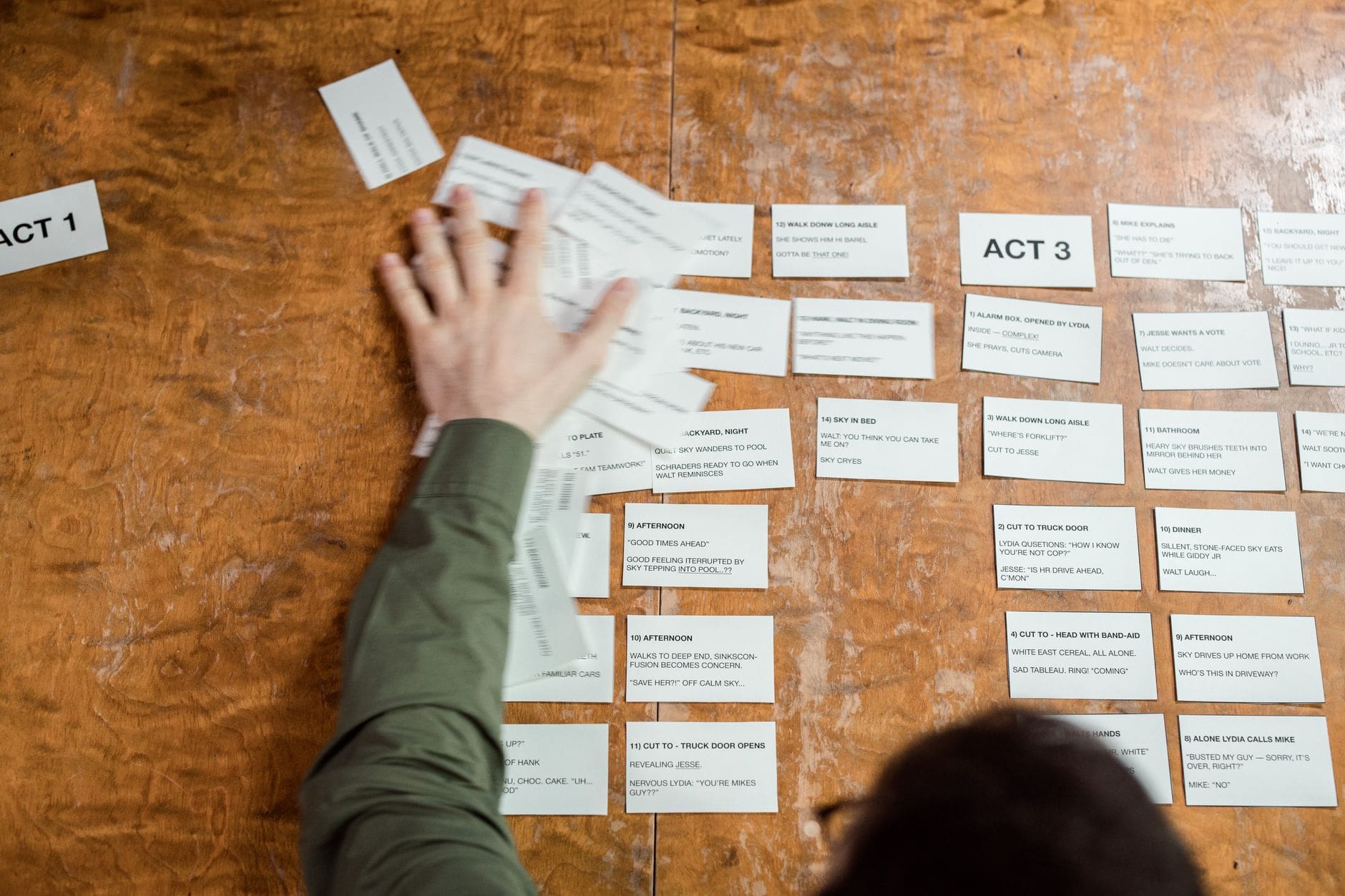
Before you write a single shot, read the scene out loud. Know what the scene is doing dramatically. Is it an argument that ends in silence? A reunion that’s actually awkward? That emotional spine tells you what you need to cover and what you can cut.
A lot of first-time directors write shot lists by imagining cool angles. That’s backwards. Start with what the scene needs to communicate, then work out how to shoot it. You’ll cut your shot count by a third and your coverage will actually cut together.
Once you know the scene’s purpose, break it into beats. Each beat shift is a potential cut point. You don’t need a new shot for every line of dialogue. You need a shot for every meaningful change in the scene’s emotional direction. Some scenes need eight shots. Some need three. Neither is wrong.
The Columns That Matter and What to Put in Them
Here’s how to fill out a shot list that your crew can use without asking you fifteen follow-up questions.
- Shot number: Sequential, per scene. Scene 12, Shot 1 becomes 12-1. Simple system, never changes.
- Scene number: Pull directly from your script breakdown. Don’t invent your own numbering.
- Shot description: One sentence. “Wide of kitchen. Sarah enters, drops keys on counter, doesn’t look at Mark.” Specific action, not vague mood.
- Shot size: Use standard abbreviations. ECU, CU, MCU, MS, MWS, WS, EWS. Your DP knows these. Write them consistently.
- Camera movement: Static, pan, tilt, dolly in, handheld, Steadicam, crane. If it’s a push in on a 50mm, write that. Ambiguity costs you fifteen minutes on set.
- Notes: Lens choice, practical light required, prop that must be in frame, safety flag, anything the crew needs to know before they set up the shot.
That’s the whole thing. Keep descriptions short. If your shot description needs three sentences, you’re writing a director’s statement, not a shot list.
How to Prioritize Shots When You’re Behind Schedule
You will fall behind. Plan for it now, not at 4pm when the sun is dropping.
When you write your shot list, mark each shot with a priority: A, B, or C. A shots are non-negotiable. The scene doesn’t cut without them. B shots improve the scene but aren’t make-or-break. C shots are gravy, pickups, inserts you’d love to have.
When the AD tells you you’ve got 45 minutes left and six shots to go, you already know which ones to drop. You don’t have to make that decision under pressure with everyone watching. You already made it in prep, when you had time to think.
This is the part most beginner directors skip. And it’s the part that separates a director who finishes the day from one who hands the editor a half-covered scene and hopes for the best.
Working With Your DP on the Shot List
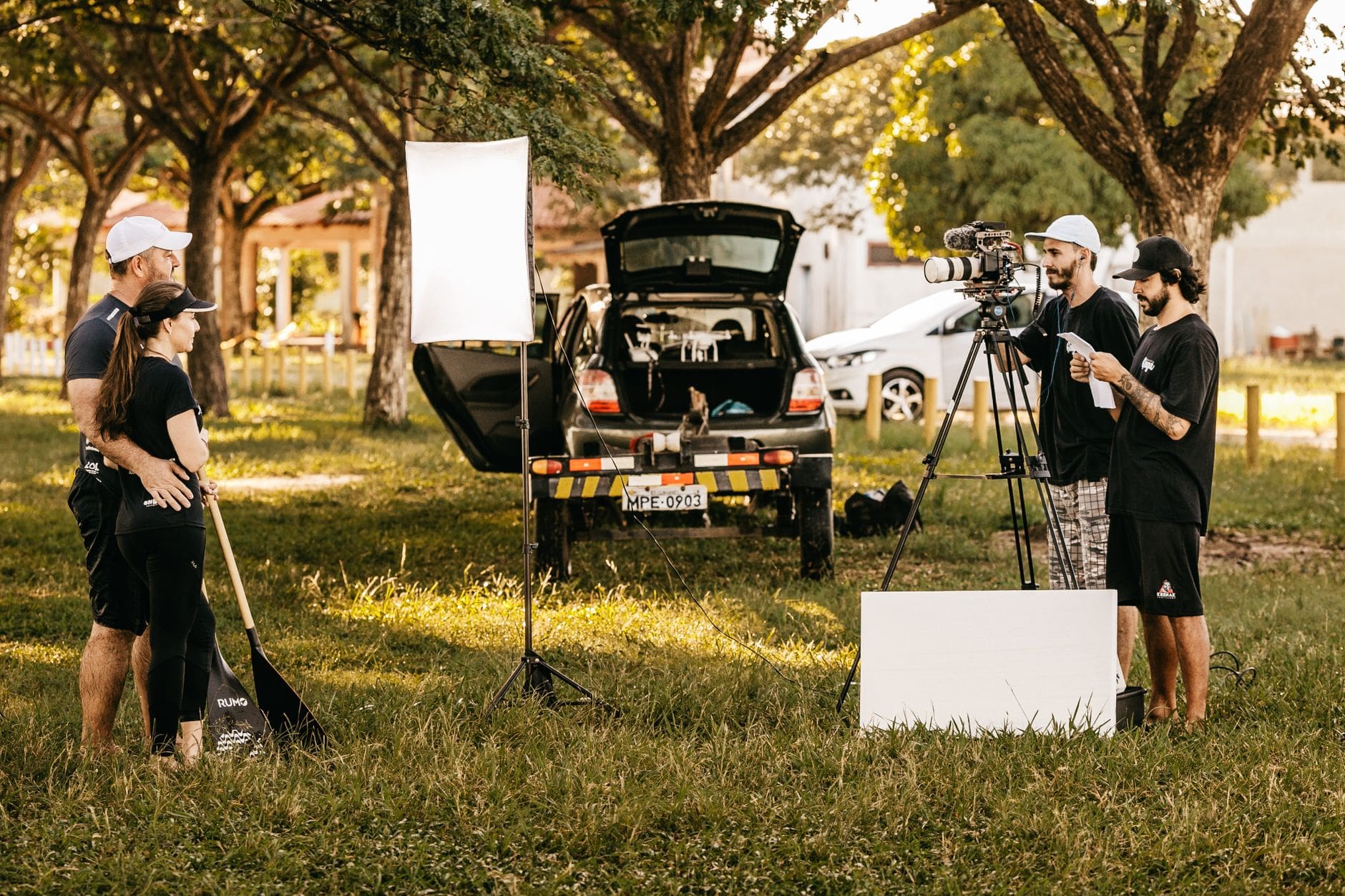
Don’t write your shot list in isolation. The best version of this document comes out of a conversation with your cinematographer, not from a director sending a PDF the night before shoot day.
Book a tech scout together. Walk the location. What’s the natural light doing at 10am versus 2pm? Where does the camera physically fit? What’s the ceiling height for that overhead you planned? A shot that looks great on paper can disappear entirely when you’re standing in a 300 square foot apartment with eight crew members and a C-stand.
Your DP will also tell you which shots they can combine. A push in from wide to medium might cover two of your planned shots. That saves you a setup, which saves you time, which is money. Finding a good DP to collaborate with is worth the effort. You can browse a crew directory to connect with local cinematographers who are actively looking for projects.
The Society of Camera Operators and the International Cinematographers Guild (IATSE Local 600) both publish resources on camera preparation and collaboration that are worth reading if you want to understand how working DPs approach a shoot day.
Common Shot List Mistakes That Slow Down Your Shoot
Too many shots is the obvious one, but it’s not the only problem.
Writing shots in script order instead of shooting order kills your efficiency. You shoot by location and lighting setup, not by page number. Your shot list should be organized by setup. All the shots you can grab with camera in position A before you move it. Then position B. Then C. Reorganizing your list by setup instead of script order can cut your shooting day by 20 percent. That’s not a small number on a no-budget set.
Another mistake: not accounting for coverage you’ll need in the edit. New directors often plan every wide shot and forget cutaways. An insert of hands. A reaction shot. The clock on the wall. These take two minutes to grab and they save your editor from being stuck with a scene that can’t breathe. Put them in the shot list as C-priority so they happen if time allows.
And don’t forget that actors need to know what you’re shooting and when. If you’ve cast talent through an actor and cast directory, brief them on the shooting order before call time. Actors who understand the plan perform better. That’s just true.
If you’re still building out your overall approach to production, the film industry employment starter pack covers a lot of the foundational prep work that context like this fits into.
Tools Worth Using Without Overcomplicating It
For shot listing software, StudioBinder and Celtx are the two most common. StudioBinder’s free plan covers what most short film directors need. It links your shot list to your script breakdowns, lets you attach reference images, and exports a clean PDF your crew can actually read on set.
Whatever tool you use, the shot list needs to be shareable, readable on a phone, and updatable on the fly. A PDF that lives in your production’s shared Google Drive folder beats a notebook in your back pocket every time.
For more production prep content, browse the filmmaking articles on FilmLocal. And if you’re putting together a crew for your next project, film production job listings are a direct way to connect with crew who are actively available.


Key Takeaways
A shot list is a logistics tool, and writing it well before you arrive on set is one of the most effective ways to actually finish your shoot day.
- Use six core columns: shot number, scene number, description, shot size, camera movement, and notes. Don’t add complexity until you need it.
- Start with the scene’s dramatic purpose before you plan any camera angles. The story tells you what coverage you actually need.
- Mark every shot A, B, or C priority during prep so you know exactly what to cut when you fall behind schedule.
- Organize your shot list by camera setup, not by script page order. Shooting out of sequence by setup saves significant time on the day.
- Write the shot list with your DP, not for them. A tech scout conversation catches location problems that a desk prep session misses entirely.
The shot list you build in prep is the difference between a shoot day you control and one that controls you.
FAQs
How long should a shot list be for a short film?
It depends on your page count and shooting style, but a rough benchmark is 8 to 15 shots per page of script for narrative work. A five-page short might have 40 to 70 shots planned, though you’ll likely trim that once you factor in setup time. If you’re over 15 shots per page consistently, you’re probably over-covering or padding your list with shots you won’t realistically have time to get.
Do you need a shot list if you’re shooting documentary?
Yes, but the format is different. Instead of a sequence of pre-planned setups, a documentary shot list is more like a priority capture list: the moments, subjects, and b-roll types you need to walk away with. It keeps you focused when you’re in a fast-moving environment and helps you brief your camera operator on what matters most.
What’s the difference between a shot list and a storyboard?
A storyboard is visual, a shot list is text-based and functional. Storyboards are useful for communicating complex sequences, VFX shots, or precise framing to a crew that’s unfamiliar with the material. A shot list is what gets used on set day-to-day because it’s faster to read and easier to update. Most low-budget productions use a shot list only. Bigger productions use both.
Should actors see the shot list?
They don’t need the full document, but they should know the shooting order and roughly what coverage is planned for each scene. An actor who knows you’re going wide first, then doing their close-up last will pace their energy accordingly. It’s a quick conversation at the top of each scene setup and it costs you nothing.
What software do working directors actually use to write shot lists?
StudioBinder is the most common on independent and short film productions because the free tier is functional and the output is clean. Celtx integrates shot lists with scheduling and script breakdown tools, which is useful if you’re doing full production management in one place. Some working directors use Google Sheets with a custom template because it’s fast, shareable, and editable on any device without a login.
Ready To Build Your First Professional Shot List Before Your Next Shoot?
The mechanics of a shot list are simple. Six columns, clear descriptions, organized by setup rather than script order. The harder part is the discipline to do it in prep, sit with your DP, and mark your priorities before you’re standing on a set with the clock running. Get that habit in place now, and every shoot you do from here runs tighter, faster, and with fewer of those ugly end-of-day decisions about what you’re leaving on the floor.