Disclosure: This article contains affiliate links. If you make a purchase through one of these links, FilmLocal may earn a commission at no extra cost to you.
The Best Audio Equipment for Film Production: Where to Start
The audio equipment for filmmaking market has never been better or more confusing. You’ve got sub-$100 lav kits sitting next to $3,000 wireless systems on the same product page, and the spec sheets don’t tell you which one will survive a 14-hour shoot day. So let’s cut through it.
Your kit depends on what you’re actually doing. A run-and-gun documentary crew has different needs than a narrative short with a dedicated sound mixer. Both need reliable gear. Neither can afford dropouts, handling noise, or self-noise that buries dialogue under a hiss floor.
This breakdown covers the three core categories: shotgun mics, wireless lav systems, and boom setups. Real products, real prices, honest takes.
Shotgun Microphones: The Workhorse of Any Boom Setup
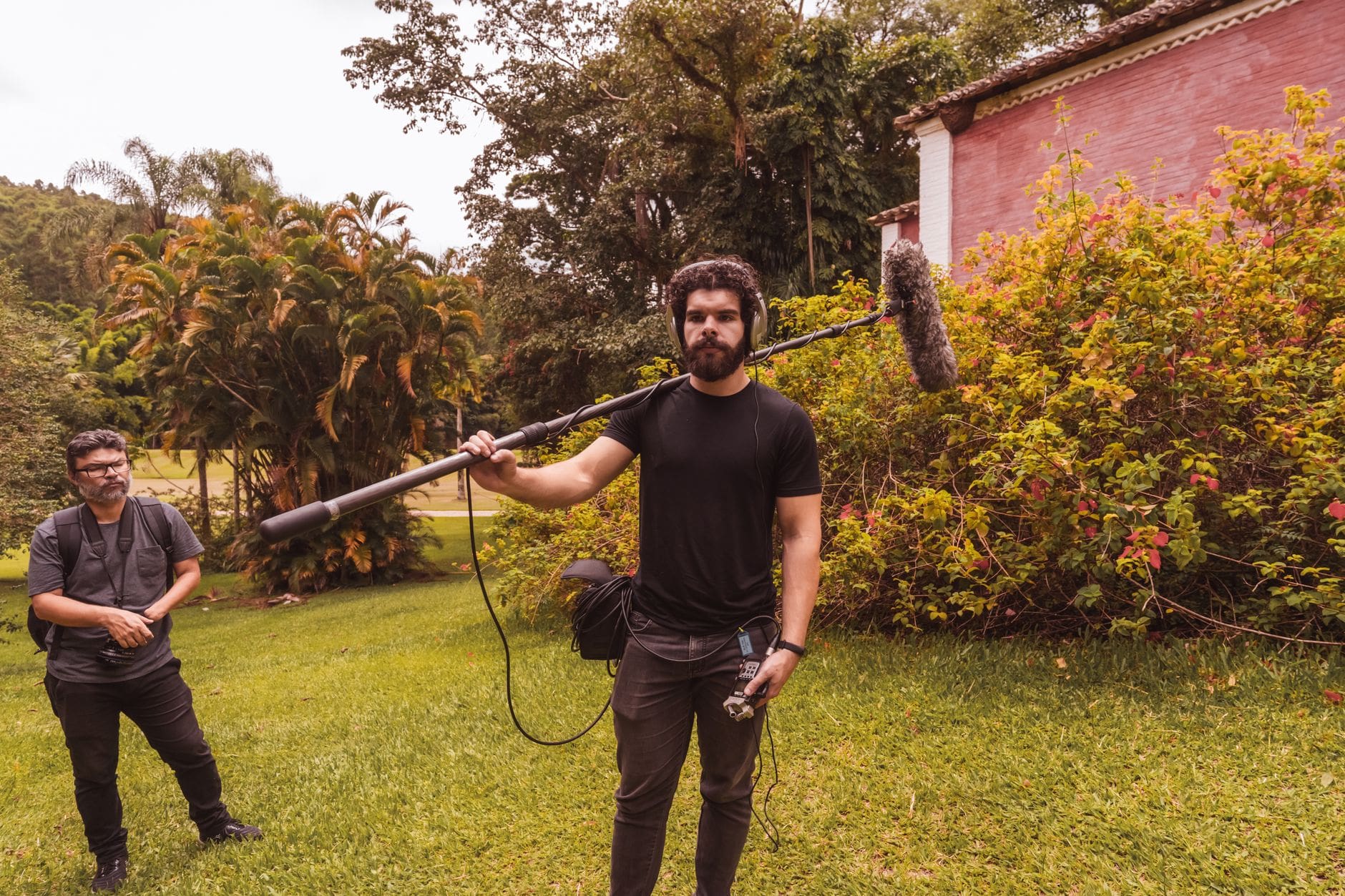
The Rode NTG3 sits around $700 and has been a set staple for good reason. It’s RF-biased, which means humidity doesn’t kill it mid-shoot. If you’re working in Vancouver, New Orleans, or anywhere else that gets genuinely wet, that matters. Self-noise is 13dB, the output is hot, and it handles boom-to-talent distances well. The downside? It’s heavier than the NTG5 and the frequency response is slightly more colored in the upper mids.
The Rode NTG5 is the newer sibling at around $500. Lighter, slightly flatter response, built for speed. It’s the better outdoor option if your boom op is working long arms all day. Self-noise at 10dB. Some mixers prefer the NTG3’s character for interiors, but on a tight budget, the NTG5 wins on versatility.
If your budget is tighter, the Sennheiser MKE 600 at around $330 is legitimate working gear. It’s not your forever mic, but it’s not embarrassing either. Runs on battery or phantom power, which is useful when you’re feeding it into a camera body without phantom. The off-axis rejection isn’t as clean as the Rode options, but for student films and lower-budget shorts, it gets the job done.
And if budget isn’t the constraint? The Schoeps MK 41 paired with a CMC6 preamp body runs around $1,800 to $2,200 depending on configuration. Used on network television and features regularly. Exceptional off-axis rejection, incredibly low self-noise, and a transparency that makes everything else sound slightly processed by comparison. Overkill for most indie shoots. Exactly right for others.
Wireless Lavalier Systems: What Actually Works on Set
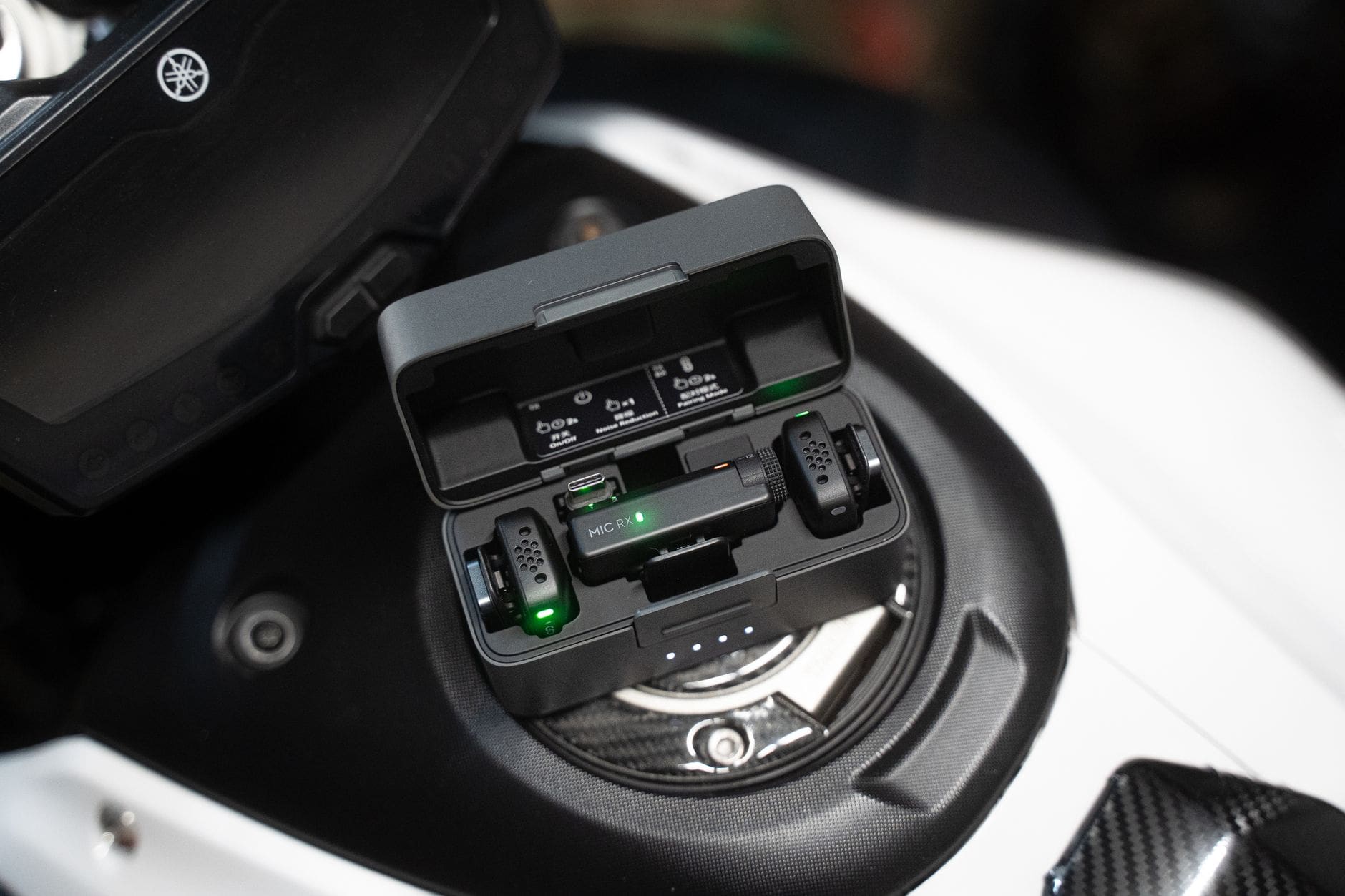
Wireless lavs are where a lot of indie productions lose money by buying cheap once and replacing twice. The RF spectrum in cities like New York, Toronto, and Los Angeles is congested. Budget systems drop out. It’s not a maybe.
The Rode Wireless PRO at around $400 for a two-person kit is currently the best value in this segment. On-board recording as a backup, 32-bit float internally, and a magnetic charging case that actually works in the field. Range is solid at up to 260 meters line-of-sight. It’s not a professional broadcast system, but for narrative shorts, weddings-to-film-festival pipelines, and small crews, it punches hard.
The DJI Mic 2 comes in around $320 for the two-transmitter kit. Similar concept, similar market. The DJI integrates more smoothly if you’re already in that ecosystem. Audio quality is comparable to the Rode. The clip design is slightly easier to hide under wardrobe. Choose between them based on what else is in your bag, honestly.
For professional production, the Lectrosonics SMWB transmitter paired with an SRb receiver runs around $2,800 to $3,200 per channel. That’s the industry standard for a reason. Frequency agility, rock-solid RF performance in dense spectrum environments, and build quality that survives years of abuse. Most working production sound mixers own Lectrosonics or Zaxcom at this tier. Zaxcom’s ZMT4 transmitter with internal recording is around $1,200 for the transmitter alone, but the built-in backup recording has saved dialogue on productions where dropouts would have meant a reshoot.
The capsule matters too. The stock capsules bundled with most systems are acceptable. For dialogue that needs to sound clean under clothing, look at the Sanken COS-11D at around $250. It’s the lav capsule you’ll see taped to actors on most mid-to-high budget productions in North America.
Boom Poles and Accessories: The Stuff People Underbudget
A $700 mic on a bad boom pole is a liability. Handling noise transfers straight into your recording, and no amount of cleanup in iZotope RX fixes it cleanly.
The K-Tek KE-90CCR carbon fiber boom pole sits around $270 and is what a lot of working boom ops use at the indie level. Internal coiled cable, lightweight, good extension range. The Ambient Recording QP5130 at around $400 is a step up in build quality and cable routing, and you’ll see them on union sets regularly.
You need a proper shock mount. The Rycote InVision INV-7 at around $130 is the standard. Lyre suspension, not elastic bands. Elastic bands degrade and snap at the worst moment. Don’t use the shock mount that comes bundled with most microphones for actual production work.
And you need a windscreen. For interiors, the foam that ships with the mic works fine. For exterior work, get a proper blimp. The Rode Blimp NTG at around $200 handles moderate wind. For anything genuinely windy, a Rycote Cyclone at around $500 is the step up most boom ops take seriously. You can browse additional mounting solutions and cage accessories at SmallRig if you’re building out a full rig.
Field Recorders: Don’t Let a Bad Recorder Ruin a Good Mic
The Sound Devices MixPre-3 II at around $700 is the entry point for serious audio on indie productions. 32-bit float recording means you’re not riding gain in real time, which is a lifesaver when your director gives no warning before a scene escalates. It’s the recorder most small crews running their own sound will reach for.
The Zoom F6 at around $500 also does 32-bit float across six channels and costs less, but the preamps aren’t quite at the Sound Devices level. Still genuinely usable, and the price difference buys you a decent lav capsule.
For bag-work with a dedicated sound mixer on a union or near-union production, the Sound Devices 888 at around $5,500 is where the conversation starts. It’s the professional standard. Twelve inputs, built-in wireless slot, remote control via the CL-16 fader wing, and preamp quality that makes everything downstream easier to work with.
If you’re newer to the industry and building your first kit, check out the film industry employment starter pack for a broader picture of what gear and credentials you’ll want before crewing up professionally. And if you’re already looking for sound department work, the film production job listings on FilmLocal are worth bookmarking. You can also find experienced sound mixers and boom ops through the crew directory if you’re producing and need to hire.
For gear purchasing, Adorama stocks most of the professional audio gear mentioned here and has a used/demo section worth checking before buying new, especially on items like boom poles and field recorders where cosmetic wear doesn’t affect performance.
For more practical breakdowns like this one, the filmmaking articles section covers everything from pre-production to post workflow.

Key Takeaways
Good audio equipment for filmmaking is a tiered investment, and buying at the right tier for your current work level is smarter than overspending or underspending.
- The Rode NTG5 (around $500) is the best all-round shotgun for indie productions. The NTG3 wins in humid conditions. Step up to Schoeps when the budget justifies it.
- The Rode Wireless PRO two-person kit at $400 is the best value in consumer wireless lavs right now. For professional work, Lectrosonics or Zaxcom are the standard.
- Don’t skimp on the shock mount. A Rycote InVision INV-7 at $130 protects your dialogue from handling noise that can’t be fixed in post.
- 32-bit float recording on the Sound Devices MixPre-3 II or Zoom F6 removes the gain-riding risk for small crews running their own sound.
- The Sanken COS-11D capsule at $250 is the professional standard lav capsule used across most mid-to-high budget North American productions. It’s worth budgeting for separately from your transmitter system.
Buy the best recorder and mic chain you can actually justify for the work you’re doing now, not the work you hope to be doing in three years.
FAQs
What’s the minimum audio kit for a serious indie short film?
At minimum: a Rode NTG5 or NTG3, a Rycote InVision shock mount, a K-Tek or Ambient boom pole, and a Sound Devices MixPre-3 II or Zoom F6 as your recorder. Budget roughly $1,200 to $1,500 for a solid basic kit that won’t embarrass you in a festival screening. If you can add a Rode Wireless PRO for lav coverage, do it.
Do I need 32-bit float recording?
If you have a dedicated, experienced sound mixer riding gain full time, no. If you’re a small crew where the sound person is also doing other jobs, or if your director doesn’t call “action” loud enough to warn anyone, yes. 32-bit float means no clipped recordings even if your levels are wrong. It’s not magic, but it removes one category of unrecoverable mistakes.
Can I use a DSLR or mirrorless camera’s built-in audio as a backup?
As a sync reference, yes. As a usable production track, almost never. The preamps in most cameras introduce noise that becomes obvious in quiet dialogue scenes. Use a proper external recorder and treat the camera audio as a sync scratch track only.
How much should a boom operator charge on a indie production?
Day rates for boom ops vary significantly by market and experience level. In Los Angeles and New York, non-union boom ops typically work in the $350 to $600 per day range on indie productions. IATSE members working under union contracts have negotiated minimums, which you can check through the IATSE website. Newer boom ops in smaller markets may work for less on short films to build credits.
Is it worth buying used professional audio gear?
Yes, for most items. Boom poles, shock mounts, recorders, and even microphones hold up well used if they’ve been maintained. Wireless transmitters and receivers are worth inspecting carefully for RF issues, and it’s worth asking about frequency compatibility before purchasing, since FCC spectrum reallocation has made some older wireless systems unusable in certain frequency ranges in the US. Buying from a reputable dealer with a return window is smarter than buying blind on a marketplace.
Ready To Lock In Your Audio Kit Before Your Next Shoot?
Build your kit around the recorder first, then the mic chain, then the accessories. A great mic into a bad recorder is still a bad recording. Get the Sound Devices MixPre-3 II or Zoom F6 locked in early, pair it with a Rode NTG5 and a proper Rycote shock mount, and you’ll have a rig that handles 90% of what indie production throws at you. Add wireless lavs when the budget allows, and prioritize the Sanken COS-11D capsule over the stock lav that ships with consumer systems.