Disclosure: This article contains affiliate links. If you make a purchase through one of these links, FilmLocal may earn a commission at no extra cost to you.
Understanding Roger Deakins Cinematography Style: The Core Philosophy
Deakins doesn’t light for beauty. He lights for truth. That sounds like a bumper sticker, but it has a very specific practical meaning. Every light source in a Deakins frame has a logical origin. A window. A lamp. A fire. He’s not hanging soft boxes and hoping for the best. He’s asking: what is actually illuminating this person right now, and how do I make that believable?
This motivated lighting philosophy shows up in almost every film he’s shot. In No Country for Old Men (2007), interiors feel like the actual Texas sun is doing the work, not a lighting truck. In Blade Runner 2049 (2017), every light source is diegetic, neon, flame, daylight filtered through smog. You can trace it. And that traceability is what gives his images their weight.
So start there. Before you touch a light, ask yourself: what’s the source? If you can’t answer that question, you’re not ready to light the scene.
How Deakins Uses Natural Light Without Surrendering Control
Here’s the misconception beginners run into. They see the naturalism in a Deakins image and think he just shoots available light and gets lucky. He doesn’t. He controls everything, but he controls it to look like he controls nothing.
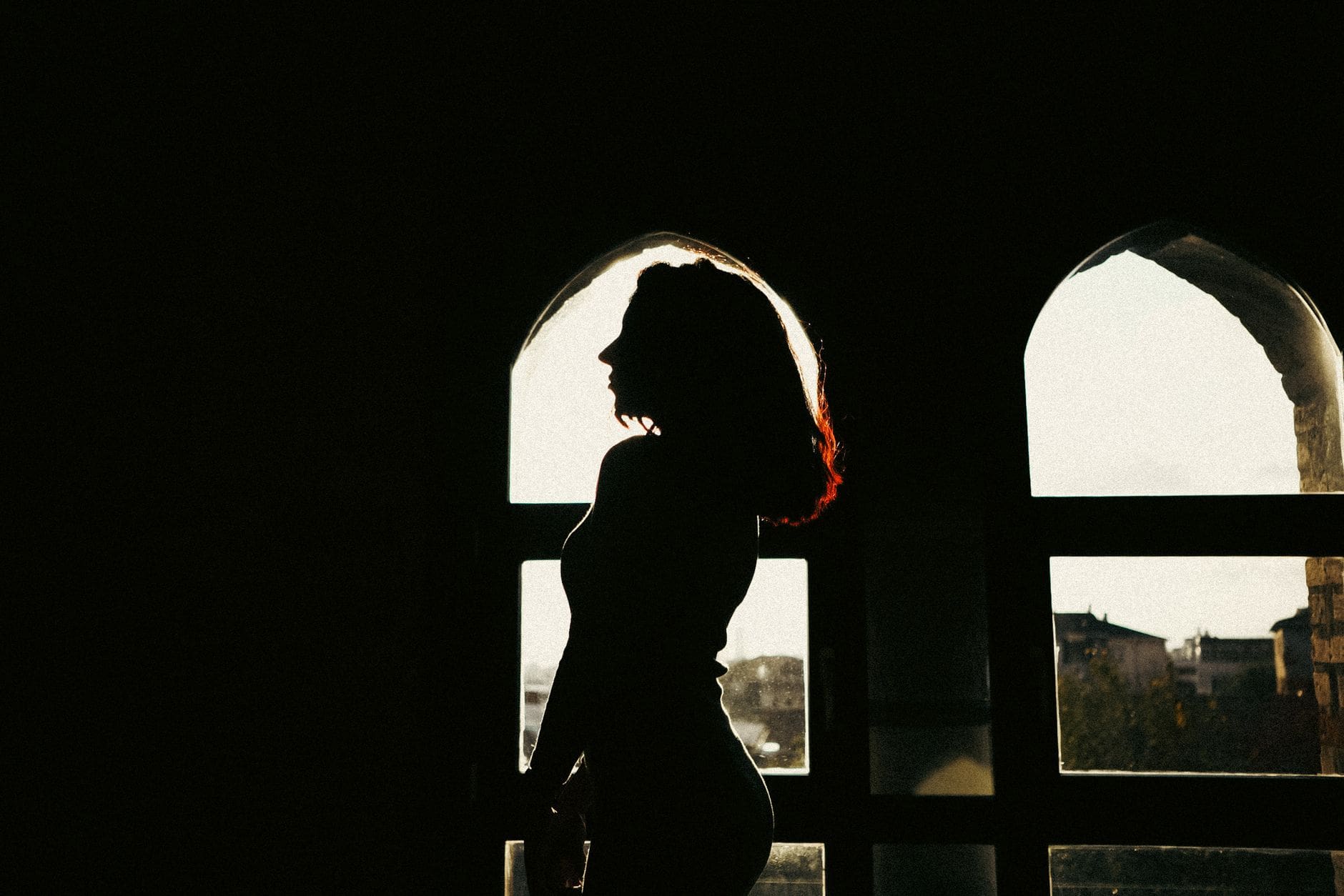
His standard approach on daylight interiors is to use large sources placed outside windows, either HMIs like the Arri M90 or Skypanels bounced off foam core, to simulate or augment real sky light. Then he subtracts rather than adds. Flags, black cards, negative fill. He’s sculpting shadow, not chasing brightness.
On Prisoners (2013), cinematographer Denis Villeneuve hired him specifically for the oppressive Pennsylvania autumn feel. Deakins leaned into overcast skies, keeping contrast low but directionality intact. That’s a skill worth practicing on your own: shoot on cloudy days, but always maintain a single clear key direction. Flat doesn’t mean formless.
If you’re building your kit and want reliable light shaping tools, Adorama carries a solid range of HMI fixtures, diffusion materials, and flags that will let you start working this way on a real budget.
Lens Choice and Camera Movement: Less Is More
Deakins shoots spherical lenses. Almost always. He’s talked in interviews about preferring the ARRI Master Primes and, more recently, the ARRI Signature Primes for their rendering of out-of-focus areas and their consistency across focal lengths. He’s not chasing anamorphic character or optical aberrations. He wants the lens to be invisible.
His focal length of choice trends longer than you’d expect. He often uses 40mm to 65mm equivalents where other cinematographers might go wide. This compresses space subtly without distortion, which keeps faces honest. In The Shawshank Redemption (1994), where he shot on 35mm film, faces look real, not heroic. That’s partly the lighting, but it’s also the glass.
Camera movement is where a lot of DP students stumble when trying to apply Roger Deakins cinematography style. Deakins moves the camera purposefully and slowly. He’s not adding movement because a scene feels static. He moves when the story demands it. In 1917 (2019), the continuous take format required constant movement, but even there, the camera feels like a presence following Sam, not a device showing off.
Practice this: shoot a dialogue scene with zero camera movement. Then add one slow push-in, maybe 20 feet over 90 seconds. See what that does emotionally. That’s the Deakins discipline, restraint that pays off when you break it.
His Approach to Wide Shots and Environmental Scale
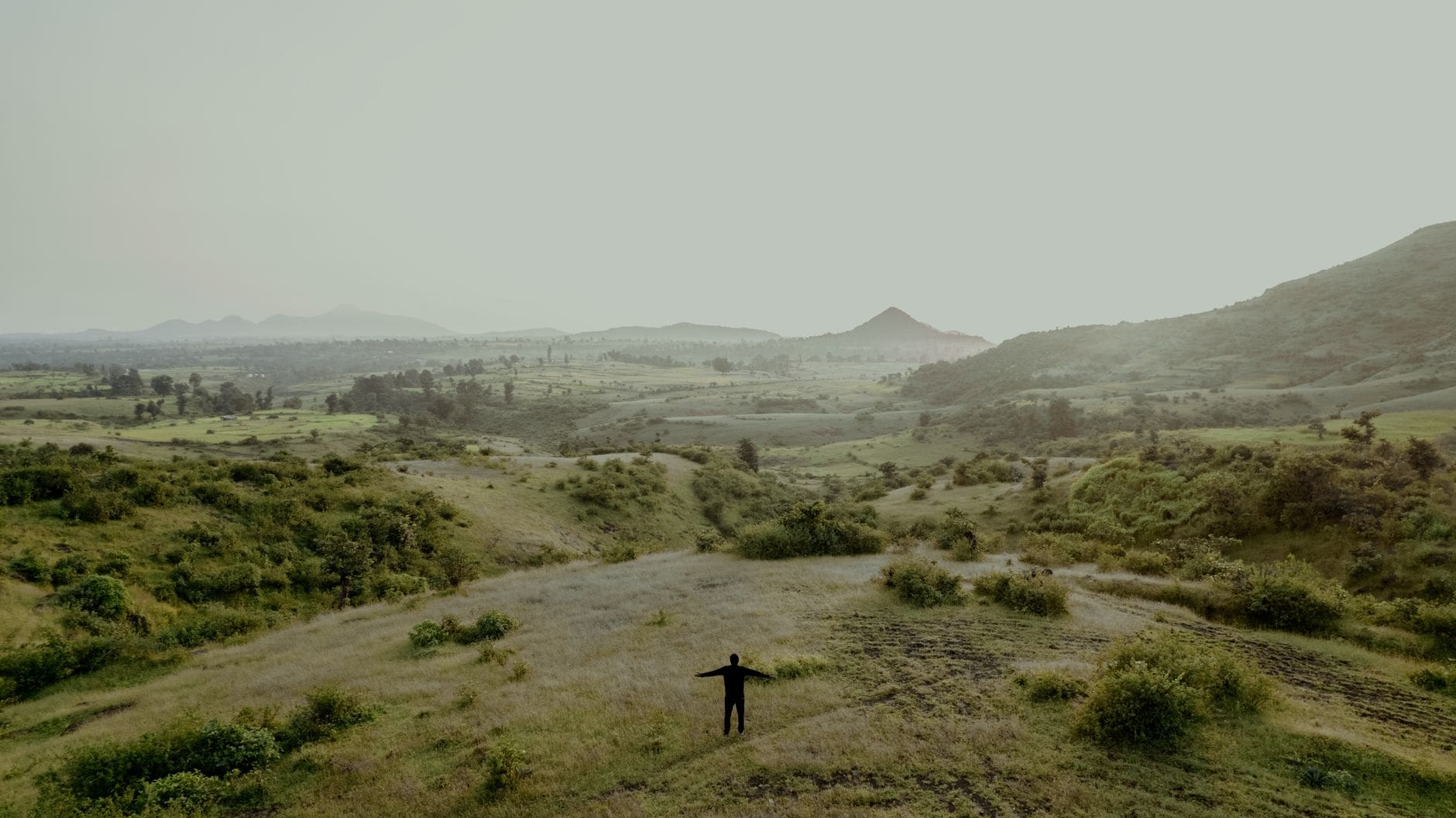
Deakins uses the environment as a character. Not metaphorically. Literally. In Sicario (2015), the Arizona and New Mexico landscapes aren’t backdrops. They’re active elements that communicate threat, emptiness, and moral ambiguity. He shoots wide in those sequences with the horizon deliberately high or low, not centered, letting the terrain crowd or dwarf the figures.
The key technical habit here is his use of the split diopter and deep focus over rack focus. He wants you to see the foreground and background simultaneously in certain shots, holding both in focus rather than guiding your eye with a soft lens. This forces the viewer to make choices, which is more demanding and more rewarding than a clean rack focus would be.
Landscape cinematography at this level requires solid rigging. SmallRig builds modular support systems that work well for run-and-gun exterior setups, where you need stability without a full grip truck.
Study the golden hour scenes in True Grit (2010). Deakins shot into the sun repeatedly, using it as a backlight while exposing for shadow detail. That’s technically demanding. You’re managing a five to seven stop range without losing either end. Shoot in RAW or log format if your camera supports it, and practice that same exposure decision.
What You Can Actually Practice Right Now
The gap between studying Deakins and applying his methods isn’t equipment. It’s habit. Most of what he does can be approximated with one LED panel, a window, and a good flag kit.
Start with these specific exercises. First, shoot a single person lit only by a practical lamp and one additional light that reinforces it. Don’t add a fill light. Live with the shadow. Second, shoot an exterior scene and expose deliberately for the midtones, letting highlights and shadows fall where they fall. Third, plan a sequence of five shots and use zero camera movement. Commit to it. See if coverage alone tells the story.
Deakins himself is refreshingly open about his process. His forum on his official site has years of direct Q&A where he answers technical questions from working DPs and students. It’s one of the most valuable free resources in cinematography education. He answers questions about specific films, specific lighting setups, and specific decisions. Read it before you read anything else.
The American Society of Cinematographers has also published extensive interviews with Deakins across multiple issues of American Cinematographer. The Blade Runner 2049 and 1917 breakdowns in particular are technically dense and worth every minute.
If you’re building your career as a camera department professional, check out the crew directory to connect with working DPs and camera operators in your market. Shadowing someone on a real set, even a short film, will teach you more about applied lighting philosophy than any YouTube breakdown. And if you’re actively looking for work, the film production job listings are a good place to find camera department roles where these skills translate directly.
Applying Roger Deakins cinematography style to your own work isn’t about copying his images. It’s about internalizing the questions he asks before he shoots. Where is the light coming from? Does this movement serve the scene? What is the environment telling us? Answer those questions honestly, and your images will get better regardless of your budget.
For more practical filmmaking technique, the filmmaking articles section has a range of craft-focused pieces worth bookmarking.



Key Takeaways
Deakins’ visual power comes from a disciplined, question-first approach to light and camera, and every element of it is learnable.
- Always identify a motivated light source before setting up any fixture. If the light doesn’t have a logical origin in the scene, reconsider it.
- Practice subtracting light rather than adding it. Flags and negative fill create the shadow depth that defines Deakins’ interiors.
- Shoot with longer focal lengths than you think you need. The 40mm to 65mm range keeps faces honest and compresses space without distorting it.
- Reserve camera movement for moments that genuinely demand it. Shoot a scene completely static first, then decide whether movement adds anything.
- Use Deakins’ own forum at rogerdeakins.com for free, direct insight into his decision-making on specific films. It’s the most underused resource in cinematography education.
The technical skills are learnable on any budget. The harder part is developing the discipline to ask the right questions before you press record.
FAQs
What camera and lenses does Roger Deakins typically use?
Deakins has shot on film and digital depending on the project. For digital work, he’s used the ARRI Alexa extensively, often paired with ARRI Master Primes or Signature Primes. He consistently favors spherical lenses over anamorphic. For 1917, he used the ARRI Alexa Mini LF, which gave him the larger sensor format he needed for the wide compositions the film required.
How does Deakins approach low-light scenes?
He uses practical light sources as much as possible, reinforcing them with off-screen lights that match the color and quality of the source. He’s comfortable with visible grain or noise at low light levels and doesn’t try to artificially clean up the image. The darkness is part of the storytelling, not a problem to fix.
Can you study Roger Deakins cinematography style on a low budget?
Yes, and honestly the budget constraint can help. The core principles, motivated light, restrained camera movement, purposeful composition, don’t require expensive gear. A single LED panel, a bounce card, and a flag kit will let you practice everything that matters. The discipline is the hard part, not the equipment.
Does Deakins use a lot of color grading in post?
He’s said in interviews that he prefers to get the image right on set rather than relying on a grade to fix it. His images do go through color work, but they’re not built around it. The distinctive look of a Deakins film comes from the lighting and exposure decisions made during production, not from a DaVinci Resolve session after the fact.
What Deakins films are best to study as a beginner?
The Shawshank Redemption is a good starting point because the lighting setups are more conventional and the motivated sources are easy to identify. Sicario is excellent for understanding exterior work and environmental scale. Blade Runner 2049 is the most technically ambitious and rewards closer study once you’ve spent time with the earlier films.
Ready To Start Shooting With More Intention?
The most transferable thing from Deakins’ work isn’t a specific look. It’s a habit of asking why before asking how. Why is this person lit this way? Why does the camera move here and not there? If you build that question into your pre-production process on every project, your images will improve faster than any gear upgrade could produce. Start with one principle, motivated light or static camera, apply it rigorously on your next shoot, and see what breaks open.