Disclosure: This article contains affiliate links. If you make a purchase through one of these links, FilmLocal may earn a commission at no extra cost to you.
The Best Wireless Video Transmitters for Filmmaking Right Now
There are three brands doing most of the work on professional sets in 2025 and into 2026: Teradek, Hollyland, and DJI. Each one owns a different price tier and a different use case. Getting this decision wrong costs you either money you didn’t need to spend or signal drops at the worst possible moment. So let’s be direct about what each system actually does on set.
The best wireless video transmitter for filmmaking depends on three things: your range requirements, your RF environment, and your budget. A music video shoot in downtown Toronto with a dozen competing WiFi networks is a completely different problem than a wide-open ranch location in New Mexico. The hardware needs to match the job.
Teradek Bolt 6 XT: The Professional Standard (and the Price Tag That Goes With It)
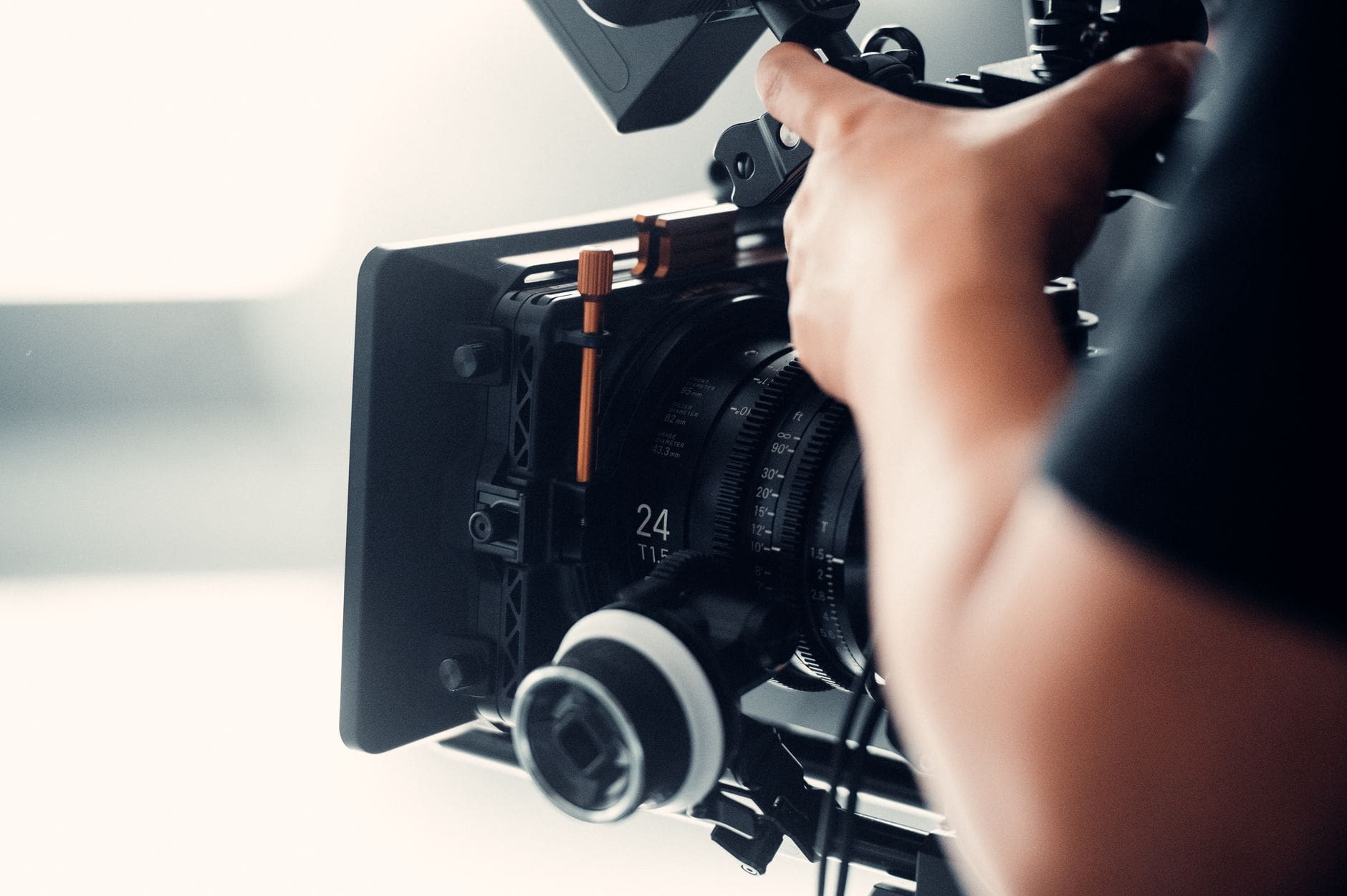
The Teradek Bolt 6 XT is what you see at Video Village on most union narrative shoots. The 750 Mbps version with a 2,000-foot range runs around $4,500 to $5,500 for a transmitter/receiver kit, depending on the retailer. The MAX version with 5,000-foot range pushes past $6,000. These are not impulse purchases.
What you get for that money is zero-delay transmission (sub-1ms latency), rock-solid performance in congested RF environments, and a system that ACs and DITs already know how to troubleshoot. The Bolt 6 XT runs on the 5 GHz band with Teradek’s proprietary SpectralIQ technology, which does a genuinely good job avoiding interference from other wireless gear on set.
The cons are real, though. It’s heavy, it eats batteries, and the ecosystem lock-in is significant. If your receiver goes down, you’re not borrowing a buddy’s Hollyland to fill in. And unless you’re working on features, episodic TV, or high-end commercials, the rental market makes more sense than ownership. Most camera rental houses carry Bolt 6 systems, and day rates typically run $150 to $250 for a kit.
Best for: Narrative features, episodic TV, high-budget commercials. Any set where the DP or producer expects a Teradek and won’t accept a conversation about alternatives.
Hollyland Mars 4K: The Working Freelancer’s Best Option
Hollyland has been grinding up the quality ladder for years, and the Mars 4K is where they got serious. A complete transmitter/receiver kit runs around $700 to $900. That’s roughly one-sixth the cost of a Bolt 6 XT kit for performance that’s genuinely close in controlled environments.
It transmits 4K signal up to 800 feet with about 0.06 seconds of latency. For most monitoring applications, directors and script supervisors won’t notice that delay. The unit runs on Sony NP-F batteries, which every camera department already has lying around. That’s a small thing that matters a lot on long days.
Where Hollyland falls short is in heavy RF congestion. On a busy commercial set in midtown Manhattan with craft services’ WiFi router, a BT speaker, and six different camera department iPads all fighting for bandwidth, you’ll see more dropout than you would with a Bolt. It’s also larger and bulkier than the Teradek units, which matters if you’re doing a lot of gimbal or handheld work.
But for indie features, documentary work, wedding films, and owner-operator shooters building out their own kit, the Mars 4K is hard to argue against. You can browse Adorama for current pricing and bundle options. And if you’re just starting to build out your monitoring workflow, a solid wireless transmitter is worth pairing with good accessories from SmallRig, especially for rigging the receiver to a monitor arm or director’s chair setup.
Best for: Indie productions, doc shoots, owner-operators, and anyone who needs pro-level results without a rental house budget.
DJI Transmission: The Wildcard That’s Actually Worth Considering
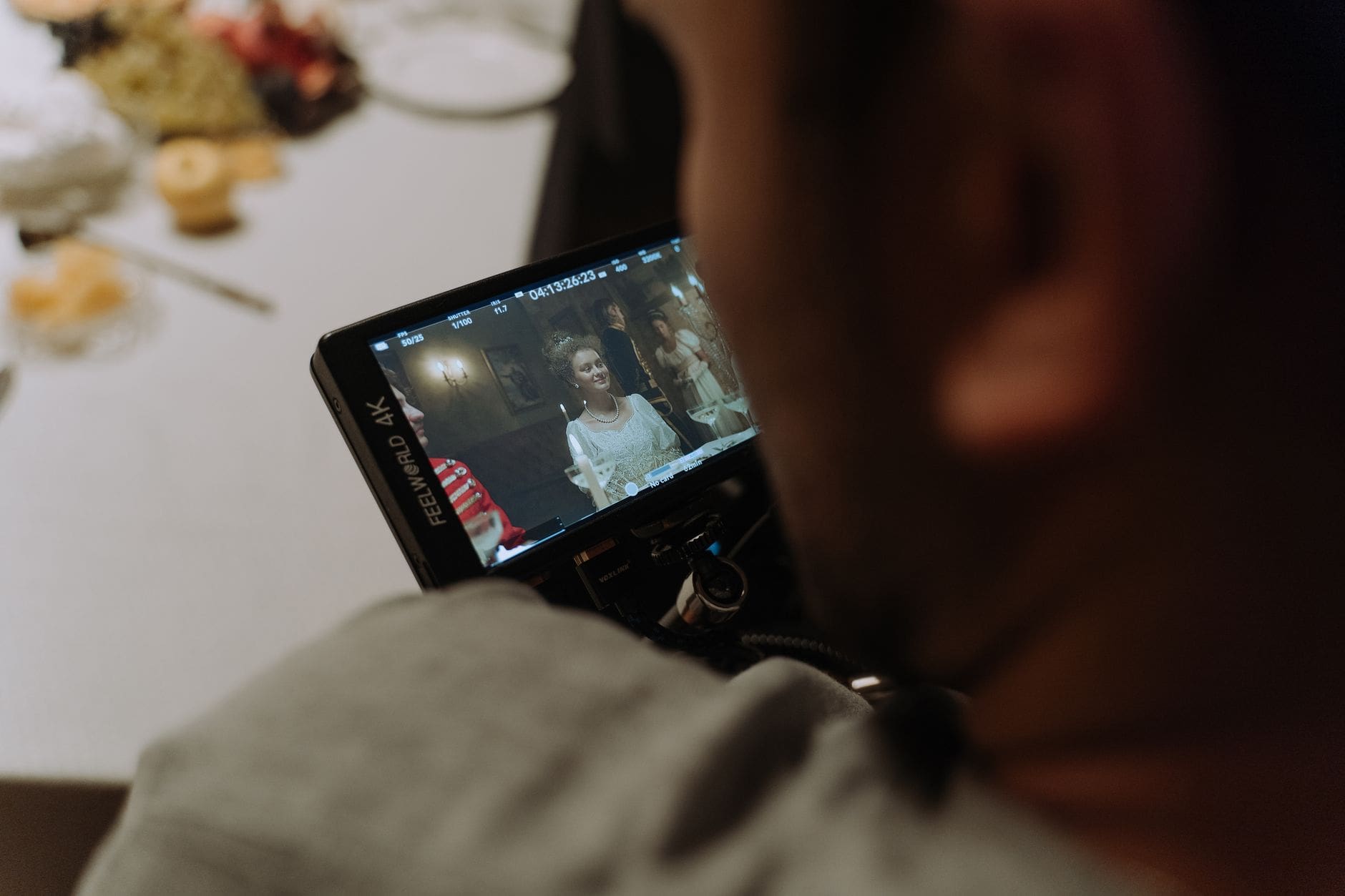
DJI entered the wireless video market with the DJI Transmission system and it surprised a lot of people. A standard kit runs around $1,200 to $1,500, which puts it squarely between the Hollyland and Teradek tiers. And the image quality pipeline is genuinely excellent, with support for 12G-SDI and HDMI, zero-delay monitoring, and a clean, well-designed app interface.
The DJI system really shines when you’re already inside the DJI ecosystem. If your set is using a Ronin 4D or working with DJI monitors, the integration is tight and the setup is fast. It also handles up to six receivers from one transmitter, which matters on sets where you need multiple Village monitors simultaneously.
The honest concern is longevity. DJI is primarily a drone and camera company. They’ve discontinued products before, and if this line gets quietly shelved in two years, third-party support and replacement parts become a question. Teradek has been around since 2009 and has a deep service infrastructure. That track record matters for people buying rather than renting.
Best for: Shooters already using DJI cameras or monitors, sets that need multi-receiver setups, anyone who wants serious performance above the Hollyland tier without committing to Teradek pricing.
How to Actually Choose Between Them
Stop comparing spec sheets and start asking what environment you’re shooting in and who’s signing the invoice.
If you’re a camera operator or DP looking to buy your own kit for owner-operator work, the Hollyland Mars 4K makes the most financial sense. You’ll recoup the cost faster, and it handles 80% of real-world jobs without issues. If you’re working on union sets regularly, you’re almost certainly renting or the production is providing Teradek. Don’t buy a $5,000 system to rent it out at $200 a day unless you have the bookings to back it up.
For ACs and DITs starting out and building their film industry employment starter pack, focus on learning the Teradek ecosystem well because that’s what you’ll encounter most on professional sets, even if you don’t own one. Understanding how to pair devices quickly, troubleshoot channel conflicts, and position receivers for maximum reliability is a real skill that gets you hired again.
And if you’re a director or producer who doesn’t own any camera gear but needs monitoring at Video Village, rent. Don’t buy. Use the saved money for better lenses or an extra shooting day.
For more on building out your kit and finding the jobs that justify the investment, check out film production job listings and the crew directory to see what other working professionals are running on set. The industry is collaborative and most experienced DPs and ACs are happy to talk gear if you ask the right questions.


Key Takeaways
The best wireless video transmitter for filmmaking isn’t the most expensive one, it’s the one that matches your actual shooting environment, workflow, and budget.
- Teradek Bolt 6 XT ($4,500 to $6,000+) is the industry standard for narrative and episodic work, but renting makes more sense than buying for most users.
- Hollyland Mars 4K ($700 to $900) delivers professional performance for indie and owner-operator budgets, with the caveat that it struggles more than Teradek in congested RF environments.
- DJI Transmission ($1,200 to $1,500) is a strong mid-tier option, especially if you’re already running DJI cameras or monitors, but long-term product support is still an open question.
- For ACs and camera department crew, learning the Teradek ecosystem is more valuable than owning one, since productions typically supply it on professional sets.
- Range specs on the box are best-case numbers. Plan for roughly half that distance in real shooting conditions with walls, vehicles, and competing RF signals in play.
Pick the system that solves your actual problem on your actual budget, not the one with the most impressive number on the spec sheet.
FAQs
What’s the latency difference between Teradek and Hollyland, and does it actually matter for film monitoring?
Teradek Bolt 6 XT runs at sub-1ms latency, which is effectively zero delay. Hollyland Mars 4K runs at around 60ms (0.06 seconds). For monitoring purposes where directors and script supervisors are watching playback and checking frame, that 60ms gap is invisible to the human eye. It only becomes a real issue if you’re using the monitor for focus pulling or live sports-style work where frame-perfect reaction matters.
Can I use a Hollyland receiver with a Teradek transmitter, or do they have to be matched systems?
No. Teradek and Hollyland use proprietary protocols that don’t cross-communicate. You need to run matched systems from the same manufacturer. This is one reason the Teradek ecosystem is so sticky on professional sets: once a production owns or rents Teradek, everything has to be Teradek.
How many receivers can one transmitter handle simultaneously?
It varies by system. The Teradek Bolt 6 XT supports up to six receivers from one transmitter. Hollyland Mars 4K supports up to four. DJI Transmission also supports up to six. If you’re running a large Video Village with multiple client monitors plus a director and script supervisor, this number matters and you should confirm it before committing to a system.
Is it better to rent or buy a wireless transmitter system?
For most working freelancers, renting until you have consistent bookings that justify ownership is the smarter move. Teradek kits in particular hold their rental value well, but you need regular demand to offset the upfront cost. If you’re shooting three or more jobs a month that require wireless monitoring, ownership starts to make sense. Below that, rent and keep your cash liquid for other kit.
What frequency bands do these systems use, and does that affect where I can shoot?
Most professional wireless video transmitters operate on the 5 GHz band, which offers more channels and less congestion than 2.4 GHz. In North America, this is generally legal for unlicensed use under FCC Part 15 rules in the US and similar ISED regulations in Canada, but you should verify local compliance if you’re shooting internationally. Check the FCC equipment authorization database if you have specific compliance questions for a US production.
Ready To Build Out Your On-set Monitoring Kit?
Match the system to the job: Hollyland if you’re buying for indie and freelance work, Teradek if you’re renting for professional narrative sets, and DJI if you’re already deep in that ecosystem and need multi-receiver coverage. Whatever you choose, invest time in learning how to position receivers correctly and manage RF interference, because the most expensive transmitter in the world still drops signal if the receiver is blocked by a C-stand and a grip cart.