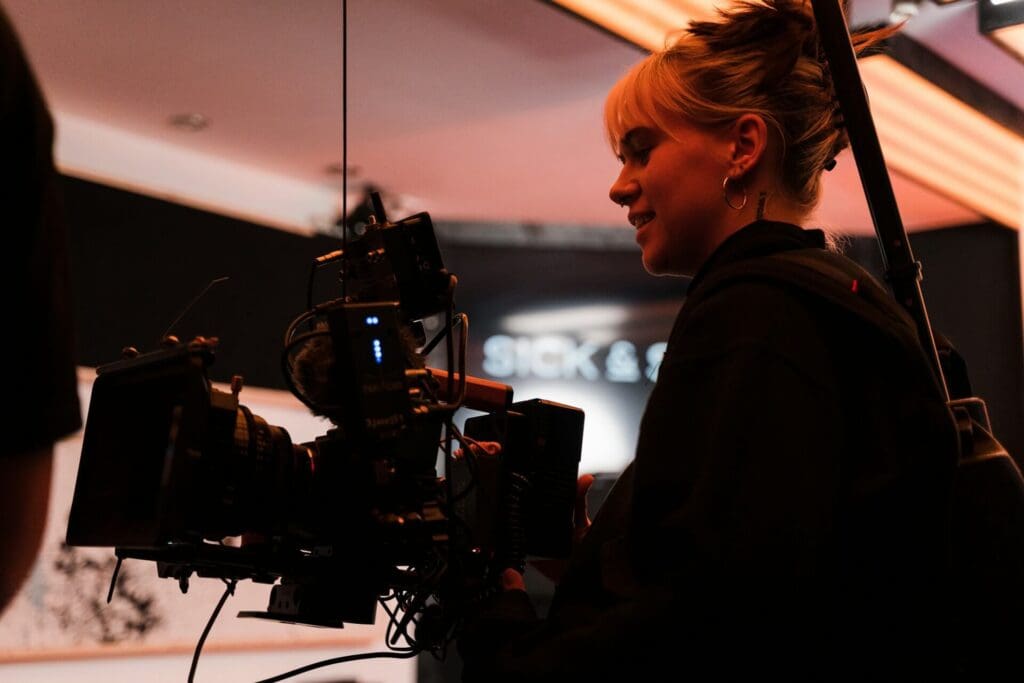
How to Become a Film Grip: An Inside Look at This Essential Movie Role
Almost anything can be justified as a style of filmmaking if it works.
-Doug Liman
How to Become a Film Grip: An Inside Look at This Essential Movie Role
Those rolling credits at the movie’s end might make you wonder about grips. These behind-the-scenes heroes arrive first and leave last on film sets.
Grips serve as technical experts who set up, rig, and maintain all equipment that supports cameras and lighting on film productions. Your favorite movie scenes exist because these professionals work tirelessly backstage. The grip crew’s expertise creates the visual magic that makes films truly captivating.
Their work stays invisible on screen, yet their contributions shape every frame significantly. Movie grips earned an average salary of just under $60,000 in 2024, while top professionals took home up to $110,000. The film industry’s ever-changing world offers perfect opportunities for people who love hands-on roles combining technical knowledge with physical work. A grip’s career path might be your next adventure if you want to join this vital film crew position.
🎬 Learn Filmmaking from Industry Pros
Get access to free filmmaking courses, expert resources, and top training programs designed to take your skills to the next level.
By signing up, you agree to receive emails from FilmLocal. You may also receive relevant offers from trusted partners. Opt-out anytime. Privacy Policy
What is a Grip in Filmmaking?
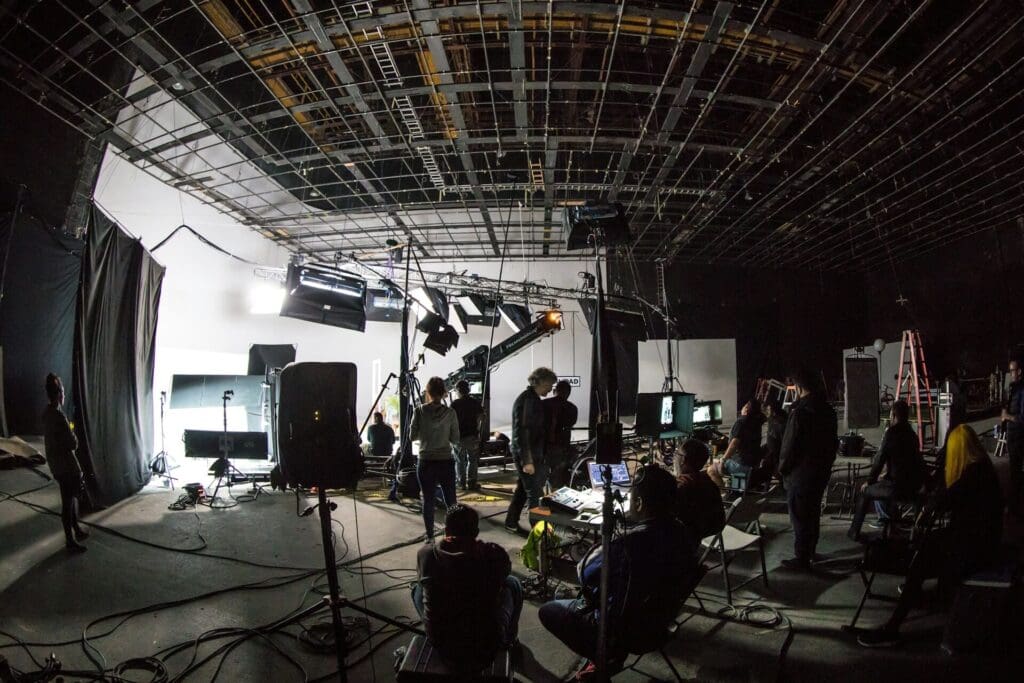
The grip department is the backbone of any film production. These specialized technicians handle the technical execution of what directors and cinematographers foresee for each shot. Their expertise makes them vital to any set.
Definition and core responsibilities
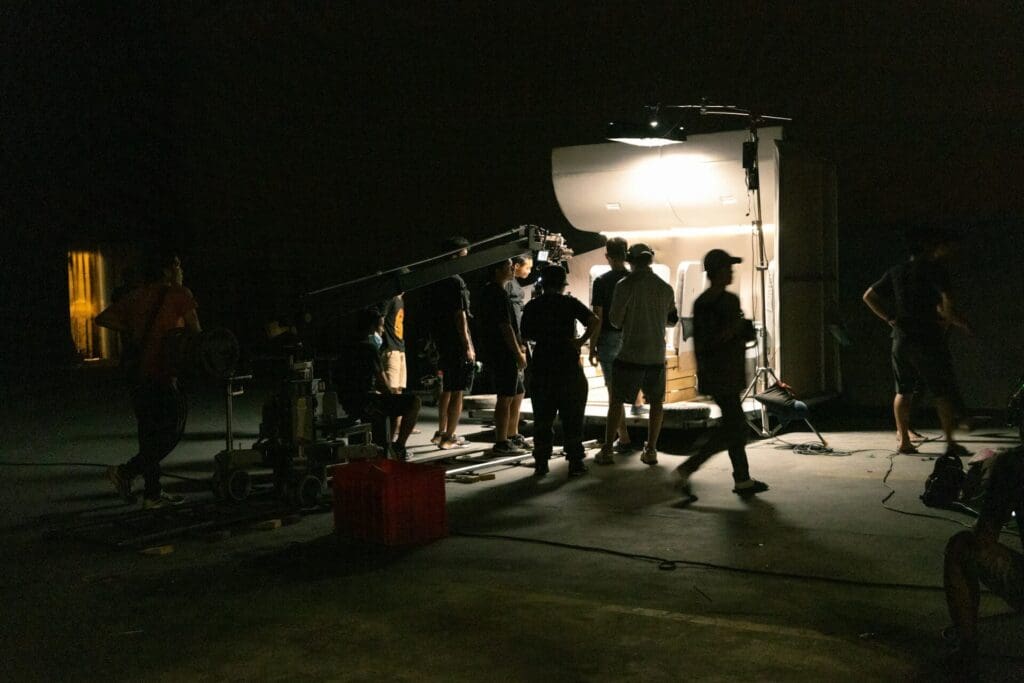
Grips are camera support and equipment technicians who handle all non-electrical aspects of filmmaking equipment. They have two main responsibilities. They work closely with the camera department to provide camera support, especially when cameras need mounting on dollies, cranes, or in unusual positions like the top of a ladder. They also cooperate with the electrical department to set up lighting equipment under the director of photography’s guidance.
A grip’s job goes beyond moving equipment. They make sure:
All camera support equipment is properly built and managed to keep working
Camera movements flow smoothly as intended
Lighting is properly shaped and controlled
Sets stay structurally safe for filming
Grips build and maintain everything that supports cameras, including tripods, dollies, tracks, jibs, and cranes. Equipment made of delicate yet heavy-duty parts that need expert handling.
Grip vs. Gaffer: Key differences
People new to filmmaking often mix up grips and gaffers. The difference between these roles will help you learn how film sets work.
Gaffers handle everything electrical as heads of the lighting department. On the other hand, grips manage all non-electrical equipment. Here’s an easy way to remember: “Movie Grips don’t have any power”. The gaffer creates light, while the grip department controls how that light behaves: they shape, block, and modify it with flags, silks, reflectors, and other equipment.
This split isn’t just tradition, it’s about safety. Grips take care of all rigging and safety. They build overhead frames and secure equipment to prevent accidents. They also design vehicle rigs and check if all structures can handle filming demands.
Where grips fit in the film crew
The grip department has its own structure with the key grip at the top. The key grip works directly with the director of photography to get the right lighting and blocking for shots.
The key grip leads a team that includes:
Best Boy Grip: The key grip’s second-in-command manages the grips on set, tracks equipment, keeps everything organized, and assigns working hours. They handle logistics, paperwork, and connect the production office with the grip department.
Dolly Grip: This specialist operates camera dollies, lays and levels dolly tracks on set, and moves the dolly during filming.
Construction Grip: This person builds specialized structures needed for filming, including scaffolding for complex shots.
Company Grip: A general grip who carries out the strategies from the key grip and best boy.
Grip responsibilities can vary by region. To cite an instance, see the UK, Australia, and most parts of Europe, where grips focus only on camera mounting and support, without touching lighting work.
Grips play a vital role in creating cinematic magic on screen. Their technical knowledge, physical abilities, and problem-solving skills help directors bring their creative vision to life.
🎥 Need an Edge Securing Your Film Grant?
Don’t miss out! Get funding alerts and expert guidance to maximize your success. Sign up now before your next application.
By signing up, you agree to receive emails from FilmLocal. You may also receive relevant offers from trusted partners. Opt-out anytime. Privacy Policy
What Does a Grip Do on a Movie Set?
Film sets rely on grips who handle significant technical tasks that shape what viewers see on screen. These technical experts manage multiple vital functions throughout production. They make sure both creative vision and safety protocols stay intact.
Camera support and rigging
Grips build and manage all camera support equipment. This includes tripods, dollies, tracks, jibs, cranes, and static rigs built from delicate yet heavy-duty parts that need expert handling. They work hand-in-hand with the camera department, especially when cameras need mounting in unusual spots or on moving equipment.
Complex shots require grips to put together camera rigs following exact specifications. They push, pull, mount, or hang it in various settings. Their work ranges from setting up simple tripods on studio floors to performing risky operations. This includes mounting cameras on 100-foot cranes or securing them to helicopters flying over mountain ranges.
Specialized grip work includes:
Building dolly tracks to create smooth camera movements
Operating camera dollies during filming
Creating specialized camera mounts for vehicles (hood mounts, side mounts, suction cup mounts)
Setting up crane shots and jib arms
Making sure cable pullers keep camera paths clear for smooth shots
Many grips become specialists in specific camera support roles. Dolly grips, for example, only operate camera dollies: wheeled platforms on tracks that create smooth horizontal movements on screen.
Lighting modification and control
Union jobs require electricians to handle lighting instruments and power distribution. Grips control all non-electrical equipment that changes light. They shape, diffuse, and manipulate lighting by setting stands that hold flags, nets, diffusing materials, or other gobos. These tools control the quality, intensity, or shape of light.
Grips excel at creating:
Passive fill: Reflected light “bounced” back onto a subject on the fill or non-key light side
Negative fill: Reduction of ambient light to raise contrast on the subject
Overhead frames: Large frames (up to 20’×20′ or larger) to shape or filter sunlight in exterior shots
Outdoor shoots need grips to use condors (boom lifts) that raise lights or diffusing materials up to 120 feet high. This creates moonlight effects and other atmospheric lighting. Their skill in controlling light helps cinematographers achieve precise visual moods without touching electrical equipment.
Safety and structural setup
Safety becomes the grip team’s most vital responsibility regarding anything gravity affects. They ensure stands, ladders, supports, and overhead rigs stay properly installed and secure. Other crew members must climb on, walk around, or work with grip set-ups.
The key grip bears responsibility for injuries on set, particularly those from falling lighting instruments. The grip team thoroughly checks all equipment for stability and secure attachment before filming starts.
Beyond camera and lighting support, grips manage specialized rigging needs. This includes menace arms (lights booming over sets using one stand) and goalposts spanning over sets using two stands. They rig picture cars on process trailers for driving shots. Cameras and lights get placed around vehicles using special clamps that protect the vehicles from damage.
They move equipment constantly and make sure everything works properly throughout filming. Their watchfulness during production prevents accidents and helps create the smooth illusion that audiences enjoy.
Types of Grips and Their Roles
The grip department runs on a clear chain of command where specialists handle specific tasks. A coordinated team of grip professionals stands behind every smooth camera movement and perfect lighting setup, each bringing unique expertise to the table.
Key Grip
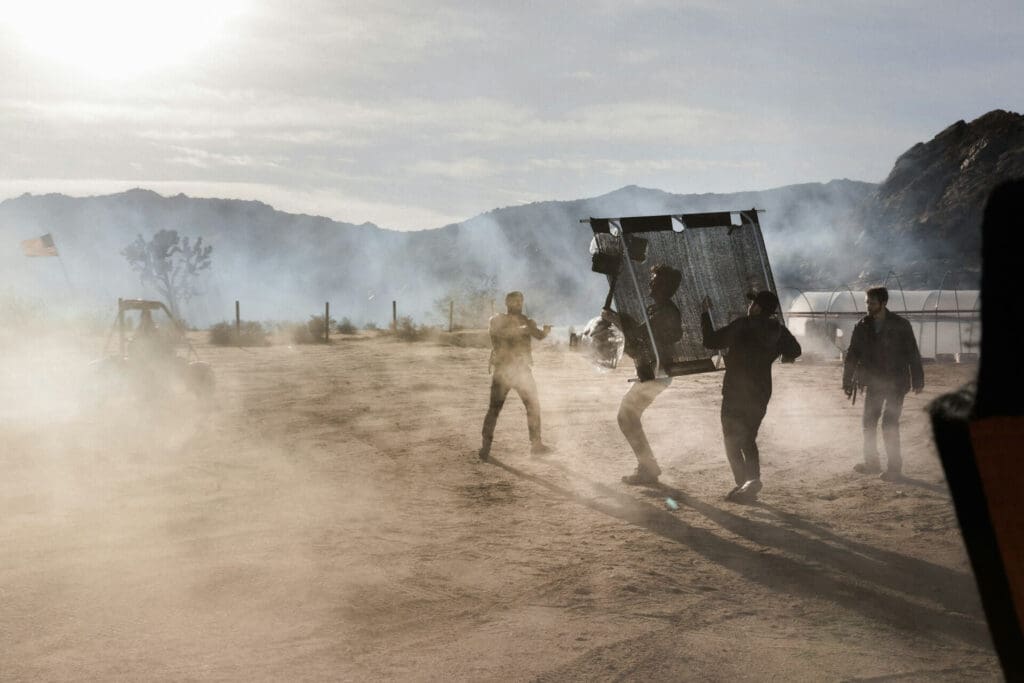
The key grip sits at the helm of grip operations on set and guides all activities. This department head reports to the director of photography while managing non-electrical equipment and supervises the entire grip crew. They shape light after the gaffer creates it by using flags, screens, and diffusion materials to bring the cinematographer’s vision to life. Safety on set becomes their responsibility. The key grip works with directors, producers, and location scouts to figure out equipment needs and create rigging plans during pre-production. Years of hands-on experience give them the technical knowledge needed for this supervisory role.
Best Boy Grip
The best boy grip serves as the key grip’s lieutenant, whatever their gender, and acts as second-in-command in the department. This role blends administrative duties with practical expertise. They handle crew scheduling, equipment rental, paperwork, and risk assessments while connecting the grip department with the production office. The position requires strong organizational abilities and technical knowledge. Their duties cover inventory tracking, equipment rental coordination, and maintenance of all grip equipment.
Dolly Grip
These specialists focus on camera movement and operate wheeled platforms that create smooth tracking shots. They get locations ready by setting up protective flooring or track based on scene requirements. The job involves more than pushing and pulling dollies – they keep paths clear and execute precise camera movements. Modern productions with stabilized camera heads often see dolly grips taking on some camera operator duties. Success in this role depends on physical stamina, precision, and tight coordination with camera operators.
Grip
Company grips, also called third grips or gang grips, are the foundations of the grip department. These technicians follow the key grip’s direction and handle daily grip tasks on set. They implement strategies from the key grip by setting up equipment, moving gear between locations, and helping modify lighting. Their adaptability makes them vital team members who support specialized grip roles as needed.
More Filmmaking Articles

Essential Tools and Equipment for Grips
Success in grip work depends on having the right tools and equipment. Every grip needs specialized gear ranging from small handheld tools to large truck setups. These tools are the foundations of getting technical work done quickly.
Common grip tools and their uses
The grip department depends on several tools to handle rigging and support work. C-wrenches are essential tools that every grip must have to tighten and loosen equipment bolts. Most professionals keep these attached to lanyards so they’re always within reach. Speed wrenches help with quick rigging and make adjustments faster than regular wrenches.
Other must-have grip tools include:
Tape measure: You need this to measure windows, doorways, and set dolly tracks
Utility knife: This helps cut tape, gels, and various materials on set
Green laser pointer: The crew uses this to mark rigging points, and green shows up better than red
Clamps: Different types like Mafer clamps, C-clamps, and Matthellini clamps hold equipment steady on various surfaces
Grips also rely on specialized equipment like c-stands, apple boxes, and duvetyne fabric for various on-set tasks. C-stands are versatile support stands used for holding lights, flags, and other equipment. Apple boxes, which come in various sizes, are used for raising actors, props, or equipment to desired heights. Duvetyne, a black, light-absorbing fabric, is essential for blocking unwanted light and creating shadows.
Personal gear every grip should own
Professional grips need their own equipment stored in specialized carrying systems. A loaded tool belt or pouch lets you grab what you need quickly. Most grips prefer leather tool pouches because they last longer and look professional.
Grip truck organization and maintenance
Grip trucks work as mobile workshops with everything productions need. A grip truck needs good organization to optimize workflow. Many crews use color-coded labels on equipment carts – teal marks mini C-stands, yellow shows set carts, and so on.
Safety demands regular equipment checks. The crew should clean jaw areas and check if everything works properly before use to prevent accidents. A grip truck’s effectiveness comes down to both its contents and how well the team maintains and organizes the gear.
How to Become a Film Grip
A professional grip’s career path requires deep commitment to master both technical knowledge and physical abilities. The path starts with basic skills and ends in career growth through industry connections.
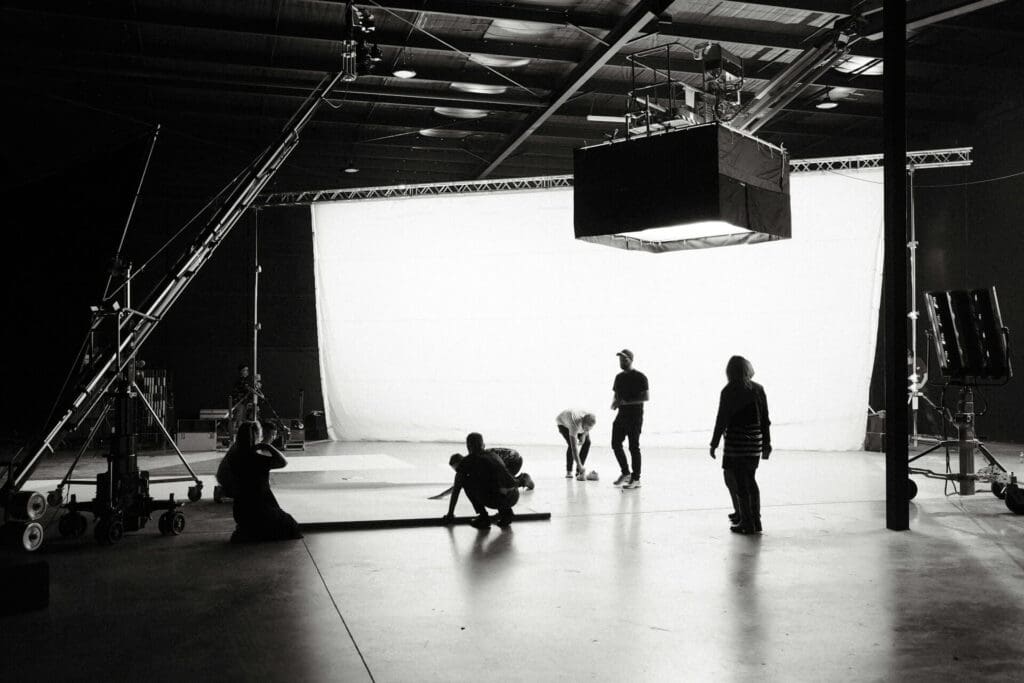
Skills and physical requirements
Working as a grip needs specific capabilities. Physical fitness is a vital requirement. You’ll often carry equipment weighing hundreds of pounds through crowded locations. A strong physique helps you handle the heavy manual labor. Successful grips also need:
Sharp safety awareness
Technical equipment skills
Creative problem-solving talent
Strong communication abilities
Grips must be comfortable working at heights and in various weather conditions. Knowledge of safety harnesses and proper lifting techniques is crucial for preventing on-set accidents.
Training and certification options
Hands-on experience matters more than formal education. Several training paths exist all the same. Some community colleges run grip-specific courses that teach equipment handling and safety protocols. The Level 2 Diploma in Professional Competence for Grips offers recognized credentials after two years of experience.
While formal film school education isn’t necessary, some aspiring grips choose this route to gain a broader understanding of filmmaking. Many film schools offer courses or workshops specifically focused on grip and electric work, providing valuable hands-on experience with industry-standard equipment.
Starting out: entry-level roles and networking
Production Assistant (PA) roles serve as perfect starting points. You can watch different departments work before choosing your specialty. Equipment rental houses let you work with grip tools hands-on, even without paid positions. Building relationships makes a big difference. Industry events bring filmmakers together, creating networking opportunities.
Many aspiring grips start by working as set grips on smaller productions or student films. This entry-level position allows newcomers to learn the basics of grip work while gaining valuable on-set experience.
Joining a union and advancing your career
IATSE Local unions welcome new members after gaining enough experience (usually 30 days within a year). Union membership brings job opportunities, benefits, and career stability. Career growth follows this path: Grip → Dolly Grip → Best Boy Grip → Key Grip.
Joining a grip union can significantly boost your career prospects. Union membership not only provides access to higher-paying jobs but also ensures better working conditions and benefits. As you gain experience and build a reputation for reliability and skill, you can advance to more specialized roles within the grip department.
Key Takeaways
Film grips are the unsung heroes who make movie magic possible through technical expertise, safety vigilance, and creative problem-solving behind the camera.
- Grips handle all non-electrical equipment supporting cameras and lighting, earning $60,000-$110,000 annually while ensuring on-set safety.
- The grip department hierarchy ranges from entry-level company grips to key grips who lead departments and collaborate directly with cinematographers.
- Essential skills include physical stamina for heavy equipment, technical proficiency with specialized tools, and strong safety consciousness for crew protection.
- Career entry typically starts through production assistant roles, equipment rental house experience, or community college training programs.
- Union membership through IATSE Local provides job opportunities, benefits, and clear advancement paths from grip to key grip positions.
The grip profession offers a rewarding career path for those passionate about hands-on filmmaking, combining technical mastery with creative collaboration to bring directors’ visions to life.
FAQs
Film grips can earn an average salary of around $60,000 per year, with top professionals making up to $110,000 annually. However, earnings can vary based on experience, location, and the specific projects you work on.
You can gain experience by volunteering on student films, working at equipment rental houses, and networking with professionals in the industry. Many aspiring grips start as production assistants and gradually transition into grip work as they learn more about the role.
Film grips are responsible for setting up, rigging, and maintaining camera and lighting support equipment. They work closely with the camera and electrical departments to ensure smooth camera movements, proper lighting control, and overall set safety.
While it’s not absolutely necessary, joining a union like IATSE can provide better job opportunities, benefits, and career stability. Many experienced grips recommend working towards union membership to advance your career in the long term.
Successful film grips need a combination of physical stamina, technical knowledge of equipment, problem-solving skills, and the ability to work well in a team. They should also be safety-conscious and able to work long hours in various conditions.
🎥 Advance Your Filmmaking Career Today
Whether you’re a beginner or a pro, gain access to career-changing film education, exclusive courses, and mentorship opportunities with industry professionals.
By signing up, you agree to receive emails from FilmLocal. You may also receive relevant offers from trusted partners. Opt-out anytime. Privacy Policy
Ready to Become a Grip?
Film grips play one of the most important yet underappreciated roles in movie production. This deep dive into the grip department shows how these technical experts form the backbone of any film set. They’re first to arrive and last to leave, making sure both creative vision and safety standards are met.
What you see on screen owes a lot to film grips. They support camera movements and shape light with precision. Directors and cinematographers rely on their specialized knowledge to get shots that would otherwise be impossible. Their constant watchfulness over safety protocols keeps accidents at bay and maintains structural integrity during production.
The field offers plenty of grip jobs, with average salaries approaching $60,000 annually and top professionals earning up to $110,000. Moving up from entry-level grip to key grip positions gives clear goals to aim for.
Physical strength plays a vital role in grip work, along with technical skills and problem-solving abilities. The best grips also excel at communication and keep safety at the forefront, which helps productions run smoothly.
People who love hands-on film production will find the grip department a great way to enter the industry.
While you’re at it, you should check out more of FilmLocal! We have plenty of resources, and cast and crew. Not to mention a ton more useful articles. Create your FilmLocal account today and give your career the boost it deserves!